Address
304 North Cardinal St.
Dorchester Center, MA 02124
Work Hours
Monday to Friday: 7AM - 7PM
Weekend: 10AM - 5PM
Address
304 North Cardinal St.
Dorchester Center, MA 02124
Work Hours
Monday to Friday: 7AM - 7PM
Weekend: 10AM - 5PM


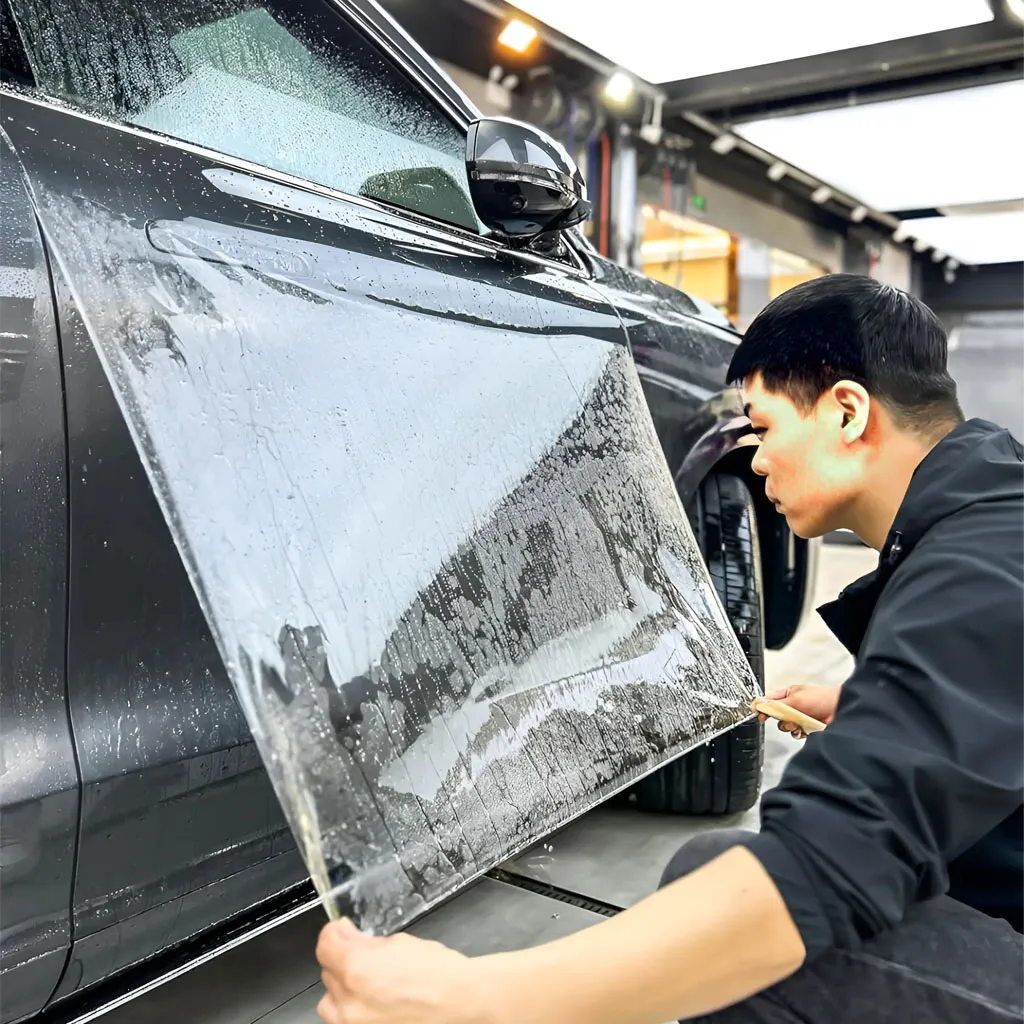
Transparent PVC film is a versatile, cost-effective plastic sheet used to protect surfaces, improve product appearance, and support functional requirements like insulation, anti-static performance, or easy cleaning. From furniture lamination and interior decoration to packaging, advertising, and clean environments, it offers a unique balance of clarity, durability, and processability. This guide explains where transparent PVC film is used, what benefits matter most, and how to choose the right thickness and finish for your project.
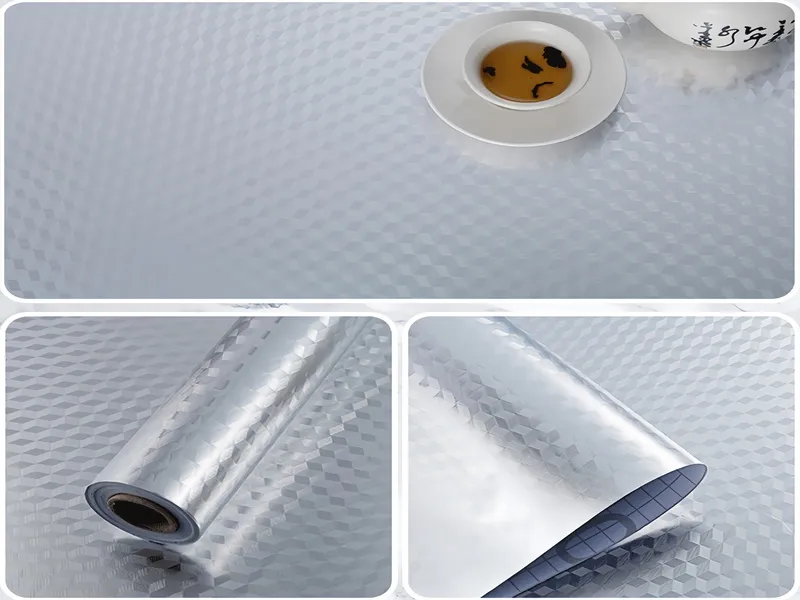
Transparent PVC film is made from polyvinyl chloride and produced in different structures (single-layer or multi-layer) and surface options (glossy, matte/frosted, embossed, anti-fog, anti-static, self-adhesive, and more). It can be calendered for consistent thickness and stable roll quality, making it suitable for high-volume converting and lamination.
Key idea:
“Transparent” doesn’t always mean perfectly crystal-clear. Many projects intentionally choose controlled haze (frosted/matte) to reduce glare, hide minor imperfections, or soften visual clutter while still transmitting light.
Transparent PVC film fits both decorative and industrial roles because it can be printed, laminated, embossed, slit, and packaged efficiently. Below are the most common application areas and what buyers typically prioritize in each.
In furniture manufacturing, transparent PVC film is used as a protective and decorative layer for panels, doors, tabletops, and trim components. It can enhance surface resistance to scratches and stains, while also supporting easy maintenance—especially valuable for high-touch areas like cabinet doors.
Transparent and semi-transparent PVC films are used in wall panels, partitions, ceiling elements, and trims. If your project includes matching other decorative films (wood grain, marble, solid colors), it’s common to source from a supplier with integrated calendering, printing, and slitting so color/texture consistency is easier to control across batches.
For related decorative and building materials, you can explore:
Solid color wallpaper
and
PVC skirting film.
For electronics and home appliances, transparent PVC film can be specified with properties such as anti-static behavior, insulation, and stable roll processing for die-cutting or lamination. Buyers often focus on uniform thickness tolerance, surface energy, and consistent optical appearance.
Transparent PVC film supports printing, overlays, protective layers, and light-diffusion solutions. Glossy finishes typically produce stronger color pop, while matte or frosted finishes reduce reflections under strong lights.
In controlled environments, transparent film can be used for protective covers, partitions, and clean packaging where visibility matters. Here, users prioritize low odor, compliance documentation, and clean packaging practices such as dust-resistant individual wrapping.
✔ Buyer checklist for clean use:
ask for batch traceability, film cleanliness standards, packaging method (PE wrap/kraft paper), and applicable compliance (e.g., REACH, RoHS, FDA where needed).
The performance you get depends on formulation, process method, and surface treatment, but transparent PVC film commonly delivers the following benefits:
Compared with many specialty clear films, PVC often offers an excellent balance of cost, durability, and ease of converting (slitting, printing, laminating). For large-volume manufacturing, stable supply and uniform roll quality can lower total production waste.
Transparent PVC film can help protect base materials from daily wear, moisture, and staining. In kitchens and high-traffic environments, easy wipe-clean performance reduces maintenance cost and helps keep surfaces looking consistent over time.
“Optical quality” isn’t one single target. Some applications demand high clarity and gloss; others want softer light transmission. By selecting the right finish (glossy, matte, frosted, embossed), you can tune glare, haze, and visual depth.
Optional treatments like anti-fog, anti-static, and food-grade coatings help match the film to its environment. This can be critical for electronics protection, refrigerated displays, or hygiene-sensitive applications.
Full-process production (calendering, printing, slitting, and packaging) makes it easier to maintain consistency and shorten delivery cycles. If you need a stable base film, a good reference category is
Calendered Film,
which is widely used as the foundation for decorative and protective solutions.
Thickness selection is where many projects succeed or fail. Too thin may lead to wrinkling, low puncture resistance, or poor handling; too thick can add cost, reduce flexibility, or complicate forming/laminating. Below is a practical way to choose thickness based on how the film will be used.
Tip:
Don’t pick thickness by “feel” alone. Define: handling method (manual/automatic),
expected abuse (scratch/puncture),
temperature/humidity,
and required optics.
Best for lightweight protection, wrapping, and applications where flexibility is more important than impact resistance. Thin films are easier to conform around shapes but may require careful tension control in converting lines.
A strong “all-rounder” range for furniture lamination, decorative protection, and general-purpose industrial film. Medium thickness often improves handling stability (less curling, fewer wrinkles) and better durability without becoming stiff.
Used where mechanical strength, structure, or long-term protection is required. Heavy gauge films may be selected for floor protection, partitions, robust covers, or repeated cleaning cycles.
For floor-related scenarios, you can compare material options via
Floor Film
to understand how thickness and wear expectations align.
As thickness increases, you typically gain puncture resistance, improved handling, and better “body” for flatness; however, you may reduce conformability and raise material cost. Also note that thicker films can reveal haze differently depending on formulation and surface finish.
Finish is not only aesthetic—it directly affects friction, cleanability, scratch visibility, printing results, and user experience. The “best” finish is the one that supports your environment and the way end users interact with the product.
Glossy transparent PVC film enhances color depth and provides a smooth, premium appearance. It’s often chosen for display-facing surfaces, decorative overlays, and packaging where maximum brightness is desired.
⚑ Best when:
you want high visual impact and are okay with some fingerprint/glare sensitivity under strong lighting.
Matte or frosted finishes reduce reflections and can better hide minor scratches. This is popular for interiors and high-touch areas where consistent appearance matters more than maximum shine.
Textures can increase grip, lower visible abrasion, and create a more premium tactile effect. If you want a distinctive decorative feel beyond flat finishes, textured options can be paired with transparent layers or used as part of a broader decorative system.
A style reference for texture-driven aesthetics is
3D Silk Texture Film,
which shows how surface structure can change the visual depth and touch perception.
Choose functional coatings when the environment demands it rather than as a default. For example, anti-static performance may be important for electronics packaging or assembly; anti-fog is useful for humid display conditions; and food-grade coatings may be required for direct-contact packaging uses.
To avoid trial-and-error, align specification decisions with how the film will be used, processed, cleaned, and viewed. Consider the following factors together:
Define what “transparent” means for your product: Do you need true clarity for viewing labels and graphics, or is a soft frosted look acceptable? Also confirm whether lighting in the application area will create glare—matte may outperform glossy in bright retail or office lighting.
If the film is a protective top layer (tabletop, cabinet door, frequently cleaned surface), focus on thickness and finish that reduce visible wear. If it must wrap around edges or shapes, prioritize flexibility and forming behavior.
Transparent PVC film is often laminated to substrates. Confirm the lamination method (hot, cold, solvent-based, water-based) and whether the surface needs treatment to improve bonding. For printed applications, ensure ink compatibility and curing conditions match the film’s surface energy and heat tolerance.
Cleaning routines matter. Some facilities use alcohol-based cleaners; others use stronger agents. Specify chemical resistance requirements early, especially for kitchens, healthcare, and public spaces where daily cleaning is frequent.
⚠ Practical warning:
A film that looks perfect in a sample book may behave differently on your production line.
Always validate with real substrate + real adhesive + real line speed before locking the specification.
When sourcing transparent PVC film for industrial or consumer-facing products, request documentation and process controls that protect your consistency and compliance needs. Reliable suppliers typically provide multi-step QC checks and can support third-party verification where needed.
Depending on the market and application, you may need confirmation of heavy metal and phthalate limits and alignment with standards such as ISO systems, REACH, RoHS, or FDA for relevant use cases. If the film is used indoors or in frequent human contact, low odor and non-toxic inks are also critical.
Transparent PVC film is frequently customized to fit specific product requirements and converting lines. Typical customization options include:
If you’re planning a full decorative system (not only transparent film), it’s often more efficient to align textures, colors, and production tolerances under one supplier ecosystem—especially when you need consistent batch appearance and stable lead times.
Sampling is not just “get a small piece and check appearance.” A proper evaluation should reflect your real conditions. When requesting samples or a quotation, share:
For more product background and technical updates, you can browse
Knowledge
or reach out directly via
Contact.
For most general protection and lamination, medium gauge (around 0.12–0.30 mm) is a practical starting point. If the surface will be frequently cleaned or exposed to abrasion, consider thicker options or a texture that hides wear.
Glossy delivers a brighter, premium look but can show fingerprints and glare. Matte/frosted reduces reflections and often looks cleaner in daily use, especially on high-touch doors and panels.
Yes. Transparent PVC film can be produced with anti-static or anti-fog surface treatments, depending on your environment and performance targets.
Request samples from the same production route you’ll use for mass production, then test on your actual line (slitting/printing/lamination). Confirm thickness tolerance, optical consistency, surface defects, and packaging cleanliness.
Many formulations can meet indoor and contact-related requirements when produced with compliant materials and inks. Ask your supplier for relevant documentation (e.g., heavy metal/phthalate statements and applicable REACH/RoHS/FDA reports) based on your specific use case.