Address
304 North Cardinal St.
Dorchester Center, MA 02124
Work Hours
Monday to Friday: 7AM - 7PM
Weekend: 10AM - 5PM
Address
304 North Cardinal St.
Dorchester Center, MA 02124
Work Hours
Monday to Friday: 7AM - 7PM
Weekend: 10AM - 5PM


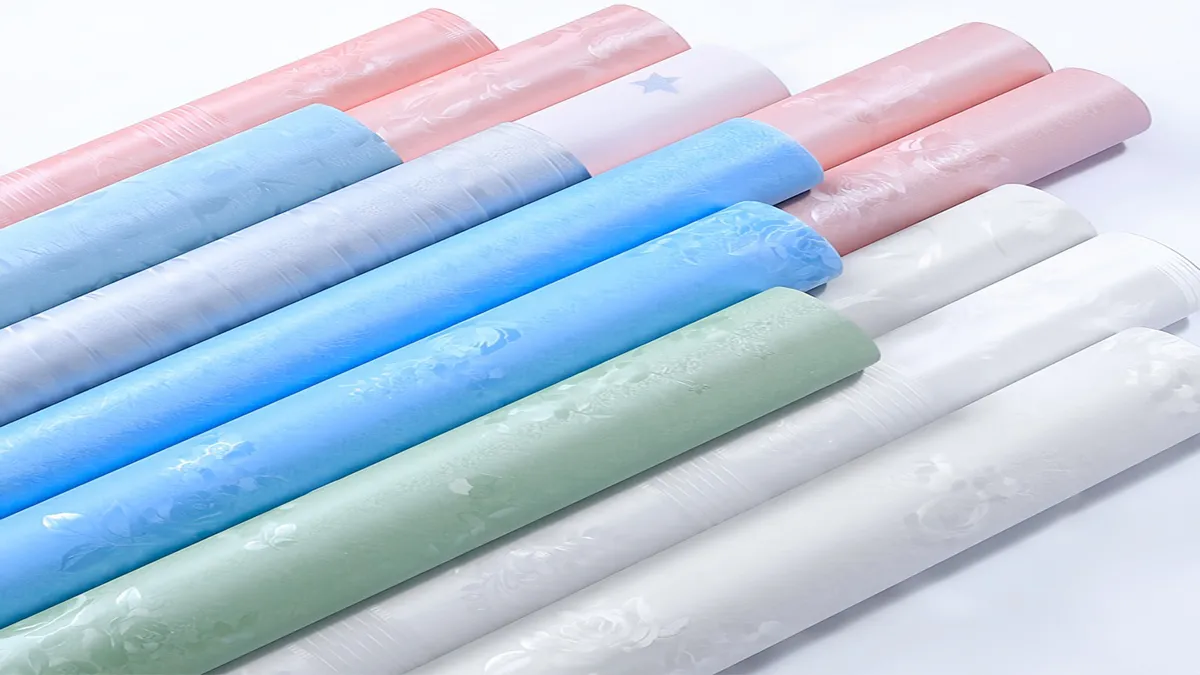
Transparent PVC overlay film with glue is a practical, professional way to protect and enhance documents, labels, printed sheets, manuals, ID cards, notices, and packaging graphics. By combining a clear PVC layer with a stable adhesive system, this self-adhesive protective cover adds abrasion resistance, moisture tolerance, and handling durability—without hiding the design underneath.

In workplaces where printed information is frequently touched, cleaned, moved, or exposed to humidity (warehouses, retail floors, hospitals, schools, logistics hubs, workshops), a transparent overlay becomes the “invisible shield” that keeps text readable, barcodes scannable, and branding consistent over time.
✔ Quick takeaway:
Choose a transparent PVC overlay film with glue when you need fast application, clear visibility, and reliable surface protection for printed materials—especially in high-contact environments.
A transparent PVC overlay film with glue is a clear calendered PVC film coated with a pressure-sensitive adhesive. It is designed to laminate or cover printed surfaces to prevent smudging, scratching, fading, and contamination. Unlike hot lamination pouches that require heat, this solution is typically applied at room temperature using hand pressure or a roller.
The “overlay” role is important: it sits on top of paper, synthetic paper, PP/PET labels, printed PVC sheets, or coated boards—creating a protective layer while preserving the original appearance.
PVC remains a top choice for protective overlays because it balances optical clarity, flexibility, and durability. For many industrial and commercial print-protection tasks, PVC film offers:
Note:
If you need consistent thickness and stable roll quality, start with calendered film as the base—then match adhesive and surface finish to your application.
Transparent self-adhesive PVC overlay film is used anywhere printed information must remain intact and professional-looking. Typical uses include:
For safety posters, SOP sheets, equipment instructions, shift schedules, and checklists, an overlay film reduces tearing, prevents ink rub-off, and makes surfaces easier to wipe clean. In production facilities and warehouses, this often means fewer reprints and better on-site clarity.
Labels are exposed to abrasion, condensation, and repeated scanning. A transparent overlay helps maintain barcode contrast and edge integrity, improving scanning reliability. This is especially relevant for cold-chain or cross-border shipping where temperature changes can introduce moisture.
Retail displays, shelf talkers, price cards, event signage, and branded panels benefit from a clear overlay that keeps colors clean and surfaces scuff-resistant. It can also reduce fingerprints on high-touch signage.
Selecting the right overlay is mainly about matching the film’s physical behavior and adhesive performance to your substrate and usage conditions. Consider these core factors:
Thicker films generally increase durability and stiffness; thinner films improve flexibility and conformability. For frequent handling, choose a thickness that resists creasing while still laying flat.
Gloss enhances color vibrancy and perceived sharpness; matte can reduce glare under strong lighting (shops, offices, exhibitions). If readability under overhead lights is critical, matte may be the better choice.
The adhesive determines whether the overlay applies smoothly, resists edge lifting, and stays stable over time. A well-balanced adhesive helps prevent bubbles and improves long-term appearance.
Coated papers, synthetic papers, PP/PET labels, painted boards, and printed PVC sheets each behave differently. Always test on your actual substrate—especially if it has a powdery coating, heavy ink coverage, or textured surface.
To minimize bubbles and wrinkles, apply from one edge to the other using a felt squeegee or rubber roller, keeping consistent pressure. For large sheets, align first, tack lightly, then progressively laminate.
Many buyers source overlay films alongside decorative and functional PVC materials to keep suppliers consolidated and quality consistent. If you also manage interior or commercial surface projects, you may pair protective overlays with:
wood grain film
for furniture panels,
marble film
for decorative surfaces, or
floor film
for flooring-related protection and finishing.
When your supply chain covers multiple film categories, you can streamline color matching, gloss consistency, and delivery timing—especially helpful for OEM clients managing multiple SKUs.
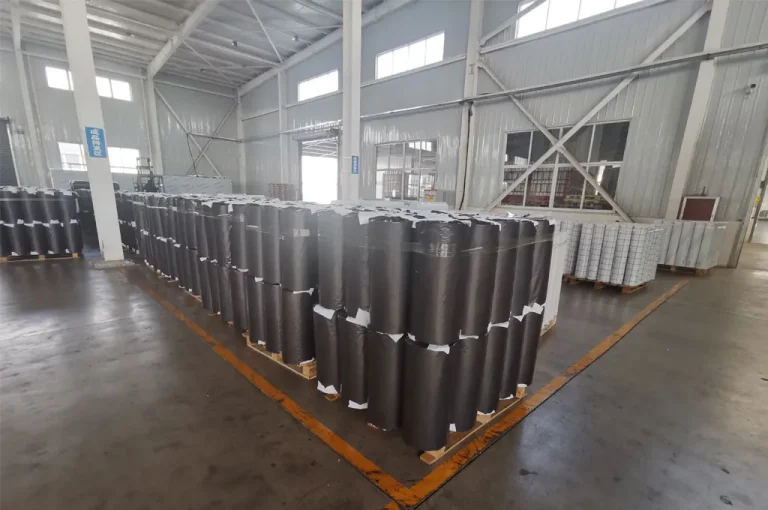
Overlay film performance depends on consistent thickness, clarity, and adhesion. A manufacturer with full-process capability—from calendering and optional printing to slitting and packaging—can keep tolerances stable and reduce lead time.
Stable winding tension and proper slitting help prevent edge damage, telescoping, and adhesive transfer issues. For converters and label users, consistent rolls mean smoother processing and less waste.
Dust control and moisture protection during shipping help preserve optical clarity. Individual wrapping (PE film or kraft paper) with clear specification labels supports traceability and reduces handling errors at receiving.
For overlay film used in indoor spaces or frequent-contact environments, safety compliance matters. Many professional PVC film solutions are produced with eco-friendly inks (when printing is involved) and can meet major compliance expectations such as REACH and RoHS. If you serve regulated industries or need documentation for procurement, request test reports and batch traceability support.
When requesting samples or quoting, share the details below to speed up selection and reduce back-and-forth:
If you need fast coordination on sampling, OEM specs, or production scheduling, use the manufacturer’s official channel:
https://pvcfilmtec.com/contact/.
For broader product knowledge and selection guidance, you can also review:
https://pvcfilmtec.com/knowledge/.
Dust and heavy texture trap air and reduce contact area, leading to bubbles or edge lifting. Clean the surface and test adhesion on textured stocks before mass production.
If you may need to reposition or remove the overlay, specify it upfront. Otherwise, you risk fiber tear on paper or adhesive residue on sensitive substrates.
High-gloss overlays can reflect strong office or retail lighting, hurting readability. Matte or low-glare options are often better for compliance notices, classroom posters, and menu boards.
A clear, high-transparency overlay typically maintains scan performance. For best results, avoid excessive glare (consider matte) and ensure bubble-free application over the code area.
Yes. Self-adhesive overlay film is designed for room-temperature application using hand pressure, a squeegee, or a roller.
Gloss improves color impact; matte reduces glare for readability. Choose based on viewing environment and lighting.
Share substrate type, film thickness/finish, roll width and length, adhesive requirements, intended environment, and estimated order quantity.
Yes. Common OEM options include custom thickness, widths, roll sizes, surface finish, adhesion level, and export-ready packaging/labeling.