Address
304 North Cardinal St.
Dorchester Center, MA 02124
Work Hours
Monday to Friday: 7AM - 7PM
Weekend: 10AM - 5PM
Address
304 North Cardinal St.
Dorchester Center, MA 02124
Work Hours
Monday to Friday: 7AM - 7PM
Weekend: 10AM - 5PM


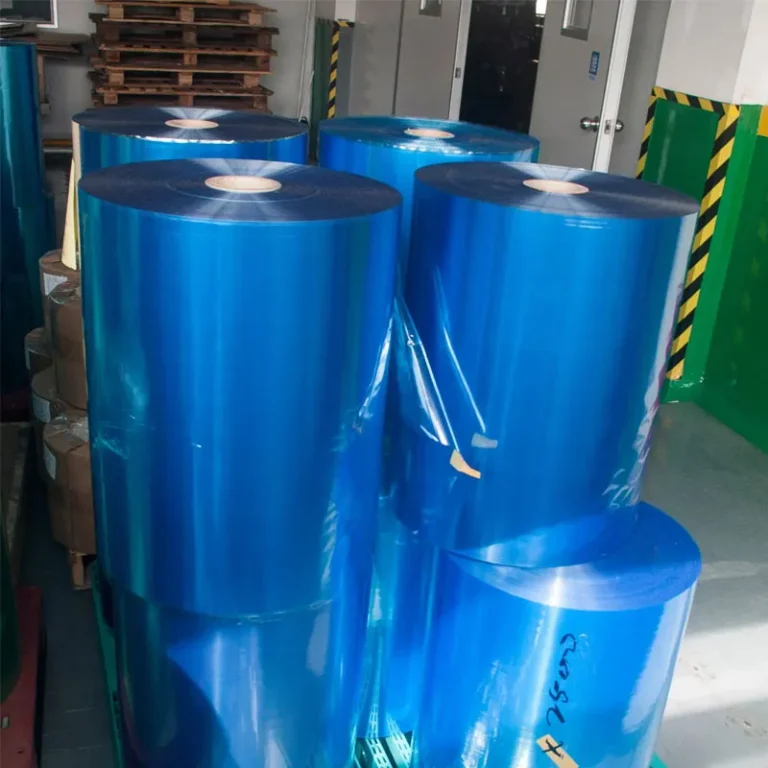
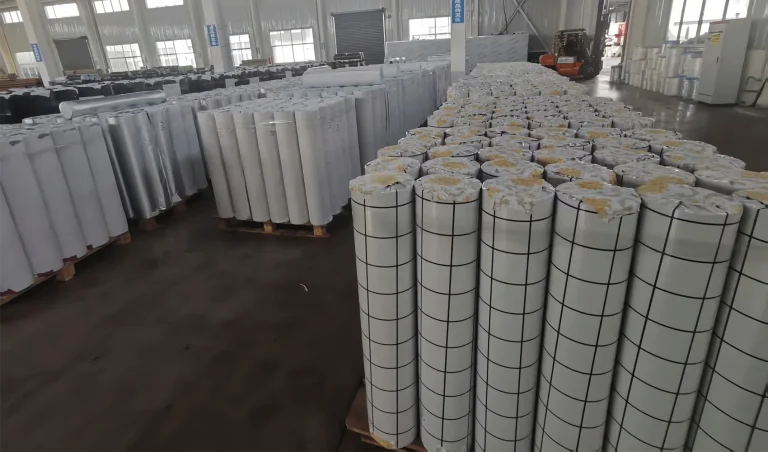
Air duct film, a specialized type of PVC film, is an essential component in modern HVAC (Heating, Ventilation, and Air Conditioning) systems and various industrial applications. Its primary function is to protect, seal, and insulate air ducts, ensuring efficient airflow, preventing contamination, and improving energy efficiency. This guide delves into the different types of air duct film, their wide-ranging uses, and provides practical installation tips for both professionals and DIY enthusiasts.
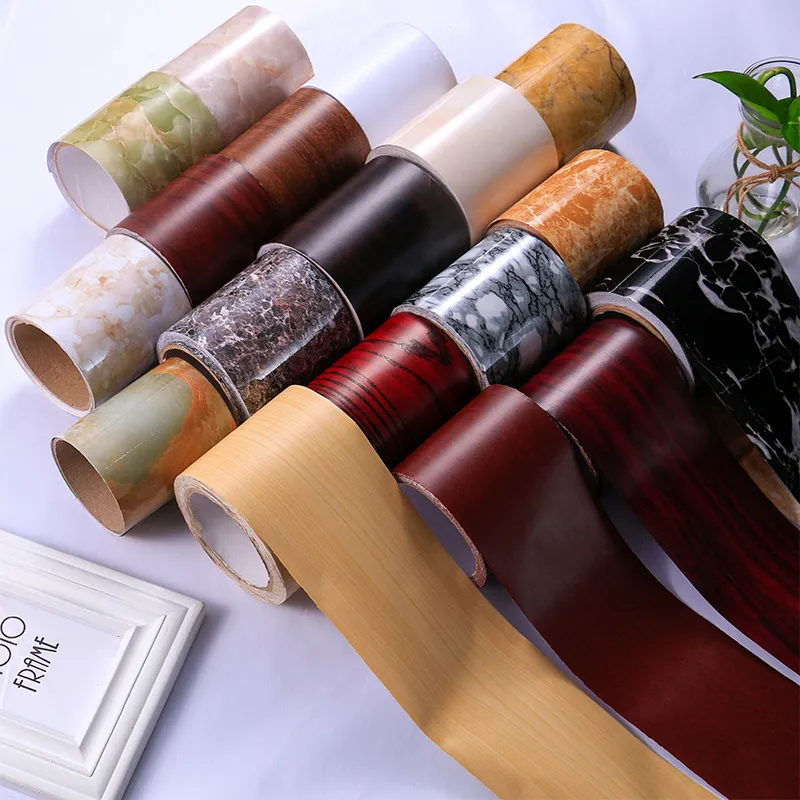
At its core, air duct film is a durable, flexible sheet material, often made from polyvinyl chloride (PVC) or similar polymers. It is engineered to withstand the environmental conditions inside ductwork, including temperature fluctuations, humidity, and air pressure. Unlike standard decorative films, air duct film prioritizes functional properties like vapor barriers, fire resistance, and airtight seals. Manufacturers like Pulivk Film produce specialized films that meet these rigorous demands, ensuring long-term performance and safety in building systems.
Key Property: A high-quality air duct film acts as a critical barrier. It prevents moisture from condensing within the duct insulation (which can lead to mold growth and reduced efficiency) and stops unconditioned air from leaking into or out of the system.
The specific application dictates the type of film required. Here are the most common categories:
This is the most common type used in residential and commercial HVAC. It is applied over fiberglass or other duct insulation to prevent moisture migration. These films are typically reinforced with scrim or have a foil backing for added strength and reflectivity.
Safety is paramount. These films are treated with additives that inhibit flame spread and smoke production. They are mandatory in many commercial, industrial, and multi-family residential building codes to contain fires and allow safe egress.
For areas requiring extra durability—such as in industrial plants or exposed duct runs—reinforced films are used. They may include polyester mesh or be laminated with other materials to resist punctures, tears, and UV degradation if exposed to sunlight.
These films come with a pressure-sensitive adhesive on one side. They are perfect for quickly sealing seams, joints, and patches on metal ductwork, creating an airtight seal that improves system efficiency. They are closely related to other functional films like kitchen anti-oil films in their application method but serve a very different purpose.
The application of air duct film extends far beyond simple duct wrapping. Its versatility makes it a valuable material in several sectors.
Insulation Jacketing: Wrapping insulation on new or existing ducts to create a continuous vapor barrier.
Duct Board Fabrication: Used as the facing on rigid fiberglass duct boards during manufacturing.
Sealing and Patching: Repairing small holes, sealing longitudinal seams, and covering take-off collars on sheet metal ducts.
In factories and warehouses, air duct film is used to create temporary containment areas for dust, fumes, or paint overspray during construction or maintenance. It can also line ventilation in cleanrooms or food processing areas where hygiene is critical, similar to the protective requirements met by specialized floor films.
Homeowners use it to insulate basement ductwork, crawl spaces, and attics as part of weatherization projects. Properly sealing ducts with film can significantly reduce energy bills and improve indoor air quality by preventing dust from being drawn into the system from unconditioned spaces.
Correct installation is crucial for the film to perform its intended function. Cutting corners can lead to condensation, energy loss, and system failure.
Ensure the duct surface (whether metal or insulation) is clean, dry, and free of dust, oil, or old adhesive. Any debris will prevent proper adhesion and compromise the seal. For insulated ducts, the insulation must be fully dry and snug against the metal.
Use sharp utility knives or scissors to cut the film. Allow for a slight overlap (typically 2-3 inches) at all seams. Handle the film carefully to avoid stretching it, as stretched film can tear or shrink back, breaking the seal.
Pro Tip: When working with adhesive-backed films, peel back a small section of the release liner first. Position the film accurately, then smooth it down as you slowly pull away the rest of the liner. This “roll-down” technique minimizes air bubbles and misalignment.
This is the most critical step. For vapor barrier films, use a compatible UL-listed foil tape or mastic specifically designed for HVAC applications—not standard duct tape. Press the tape firmly along the entire length of the seam. For adhesive films, ensure the overlap is pressed down securely. All seams should be smooth and continuous.
On insulated ducts, the film is typically secured with mechanical fasteners like insulation pins and large-diameter washers, or with compatible adhesives. Follow the manufacturer’s instructions for fastener spacing. The film should be snug but not under tension.
After installation, visually inspect the entire run for gaps, tears, or poorly sealed seams. For optimal energy performance, consider having a professional perform a duct blaster test to quantify the system’s airtightness. The principles of a flawless finish are akin to those required when applying high-end decorative wood grain films to furniture—meticulous preparation and sealing ensure longevity and performance.
No. Standard polyethylene sheeting lacks the necessary durability, fire ratings, and vapor permeance properties. Always use film products specifically rated and labeled for HVAC/air duct applications to ensure safety and code compliance.
This classification refers to the film’s permeability, or how much water vapor can pass through. Class I is the most restrictive (< 0.1 perms), used in cold climates. Class III is more vapor-open (1.0-10 perms). The correct class depends on your local building code and climate zone; using the wrong type can cause moisture problems within the wall or duct assembly.
When installed correctly in a protected environment (like inside a wall or above a ceiling), quality air duct film can last for the lifetime of the building—20 to 30 years or more. If exposed to physical damage, UV light, or extreme temperatures, its lifespan will be reduced.
For simple projects like wrapping exposed basement ducts, a competent DIYer can do it with careful research. However, for whole-house systems, retrofits inside walls, or any commercial project, it is highly recommended to hire a licensed HVAC professional. They understand local codes, can perform proper testing, and ensure the system’s safety and efficiency.
For detailed information on various functional and decorative film technologies, including those related to surface protection and insulation, you can explore resources from manufacturers. A good starting point is a dedicated knowledge base that covers material properties and application guides.