Address
304 North Cardinal St.
Dorchester Center, MA 02124
Work Hours
Monday to Friday: 7AM - 7PM
Weekend: 10AM - 5PM
Address
304 North Cardinal St.
Dorchester Center, MA 02124
Work Hours
Monday to Friday: 7AM - 7PM
Weekend: 10AM - 5PM


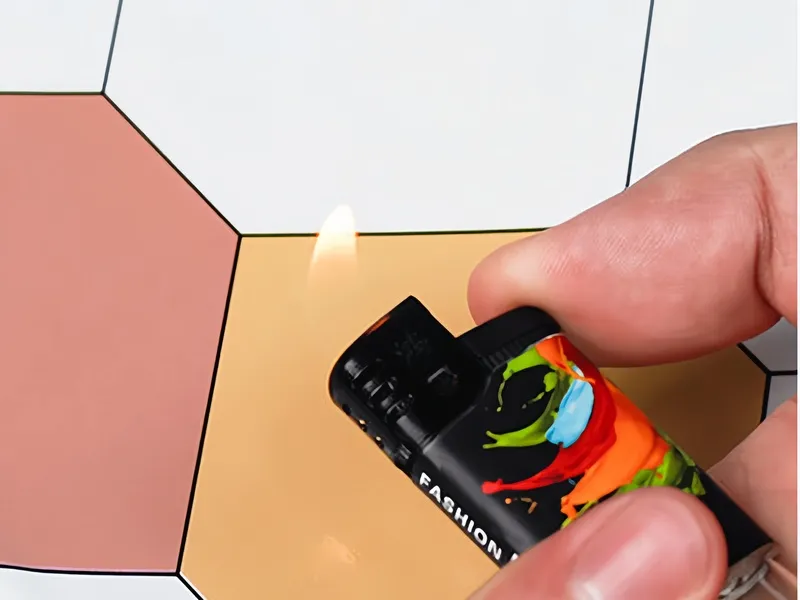
In the world of modern design and manufacturing, materials that combine visual appeal with functional performance are in high demand. Among these, PVC holographic film stands out as a versatile and captivating solution. This specialized film creates stunning, iridescent visual effects that change with the angle of light and view, adding a dynamic, futuristic, and premium feel to any surface it adorns. Its unique ability to reflect and refract light makes it a powerful tool for branding, decoration, and product enhancement across numerous industries.
PVC holographic film is a type of polyvinyl chloride film that has been embossed or coated with a microscopic pattern to create a holographic, three-dimensional, or rainbow-like effect. This is achieved through a process that diffracts light, splitting it into its spectral colors and creating the signature shimmer. The PVC base provides excellent durability, flexibility, and ease of application, making the film both beautiful and practical. It’s more than just a decorative layer; it’s a functional material that can be used for protection, labeling, and even security purposes.
The magic of holographic film lies in its layered structure. Typically, it consists of:
Advanced manufacturers like Pulivk Film utilize controlled calendering processes to ensure the film is uniform in thickness and free of imperfections, which is critical for a consistent holographic effect.
Not all holographic films are the same. They come in various types to suit specific applications and desired effects. Understanding these variations is key to selecting the right product.
Rainbow Holographic Film: The most common type, displaying a full spectrum of colors that shift as the viewing angle changes.
2D/3D Graphic Holographic Film: Embossed with specific images, logos, or patterns that appear to have depth.
Dot Matrix Holographic Film: Creates a pixelated or geometric light effect, often used for security and authentication.
Kinetic Holographic Film: The pattern creates an illusion of movement when the film or viewer moves.
Self-Adhesive Holographic Film: Features a pressure-sensitive adhesive backing for easy application on signage, packaging, and retail displays. Explore similar functional films like kitchen anti-oil film for other specialized uses.
Heat-Transfer Holographic Film: Used in the textile industry, transferred onto fabrics using heat and pressure.
Laminating Holographic Film: Used to overlay and protect documents, cards, or products, adding both security and shine.
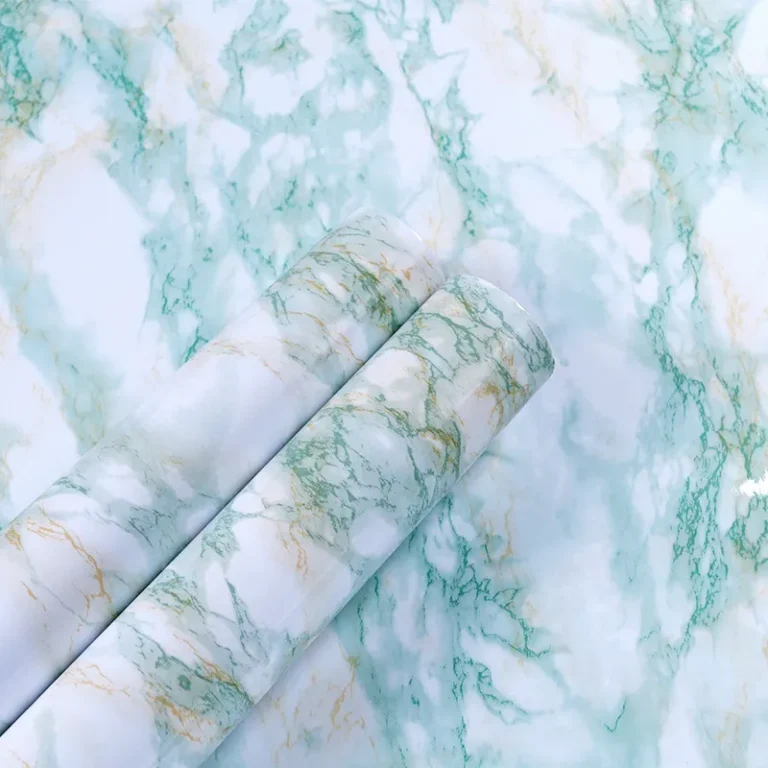
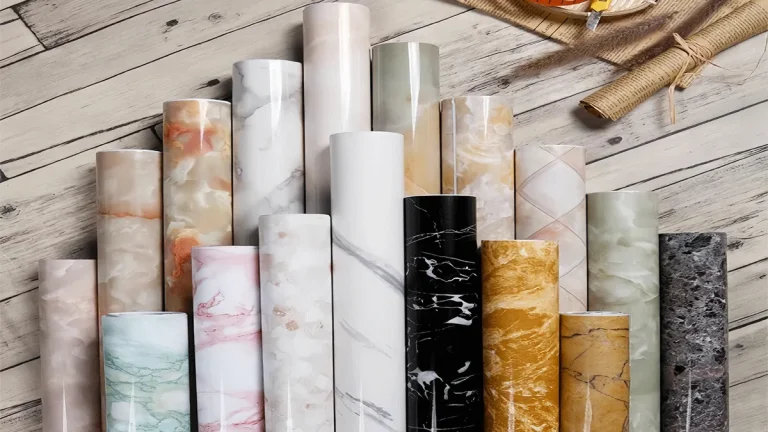
Metallized Holographic Film: Has a thin layer of metal (like aluminum) under the holographic layer, enhancing brightness and opacity. This shares some visual kinship with decorative options like marble film in its ability to transform a surface’s appearance.
The adoption of PVC holographic film is driven by a compelling set of benefits that address both aesthetic and practical needs.
It commands immediate attention. On packaging, it makes products stand out on crowded shelves. In advertising and display graphics, it creates memorable, eye-catching visuals that consumers associate with innovation and quality.
High-quality PVC holographic film is resistant to water, moisture, scratches, and fading. It can protect the underlying surface from wear and tear, making it suitable for both indoor and limited outdoor applications.
Its flexibility allows it to conform to curved surfaces, edges, and complex shapes. It can be die-cut, printed on (with compatible inks), and laminated, offering immense creative freedom for designers.
Complex holographic patterns are extremely difficult to replicate, making this film an excellent choice for security labels, tamper-evident seals, brand authentication, and protection of sensitive documents.
The unique properties of holographic film open doors to a wide array of applications across different sectors.
This is one of the largest application areas. Holographic film is used for:
Point-of-Sale (POS) Displays: Holographic banners, shelf talkers, and signage that grab shopper attention.
Window Graphics and Decals: Creating dynamic storefront displays that change appearance throughout the day.
Exhibition Stands and Backdrops: Adding a cutting-edge, technological vibe to trade show booths.
Book Covers and Magazine Inserts: For special editions, promotional materials, and high-end publications.
Greeting Cards and Gift Wrap: Adding a festive, celebratory sparkle.
Business Cards and Stationery: Making a bold, memorable first impression.
Consumer Electronics: Accents on laptops, smartphones, gaming consoles, and headphones.
Automotive Interiors: Decorative trim, dashboard accents, and interior lighting covers.
Fashion and Accessories: Used on apparel, shoes, bags, and jewelry for a futuristic look.
Home Decor: As an accent wall covering, furniture laminate, or decorative paneling. For broader decorative film solutions, consider exploring options like wood grain film or 3D texture films.
Selecting the appropriate film requires considering several factors:
Partnering with an experienced manufacturer who offers OEM/ODM services is invaluable. They can guide you on specifications, perform adhesion tests, and produce custom rolls tailored to your project’s exact width, length, and holographic pattern needs.
Standard holographic film is primarily designed for indoor use. For outdoor applications, you must specify films with enhanced UV inhibitors and weather-resistant top coatings to prevent premature fading and degradation. Always consult with your supplier about the film’s expected outdoor lifespan.
Yes, but it requires careful planning. The reflective surface can interfere with some printing processes and inks. It is best to use opaque, high-pigment inks (like UV-curable inks) for optimal results. Always request a print sample from your manufacturer to test compatibility before full-scale production.
Recycling can be challenging due to its multi-layer composition and metalized layers (if present). It’s crucial to check local recycling guidelines. Some manufacturers are developing more eco-friendly versions. Discuss sustainability goals with your supplier to explore available options.
While often used interchangeably, there is a technical difference. Holographic film uses a diffraction grating to split light, often creating specific patterns or images. Iridescent film typically uses interference pigments (like those in pearlescent films) to create a color-shift effect, usually in broader, smoother color transitions without a distinct patterned structure.
Use the “wet application” method for best results. Lightly mist the application surface and the adhesive side of the film with a soapy water solution (a few drops of dish soap in water). This allows you to position the film perfectly and slide out any air bubbles with a squeegee before the water evaporates and the adhesive sets permanently.