Address
304 North Cardinal St.
Dorchester Center, MA 02124
Work Hours
Monday to Friday: 7AM - 7PM
Weekend: 10AM - 5PM
Address
304 North Cardinal St.
Dorchester Center, MA 02124
Work Hours
Monday to Friday: 7AM - 7PM
Weekend: 10AM - 5PM


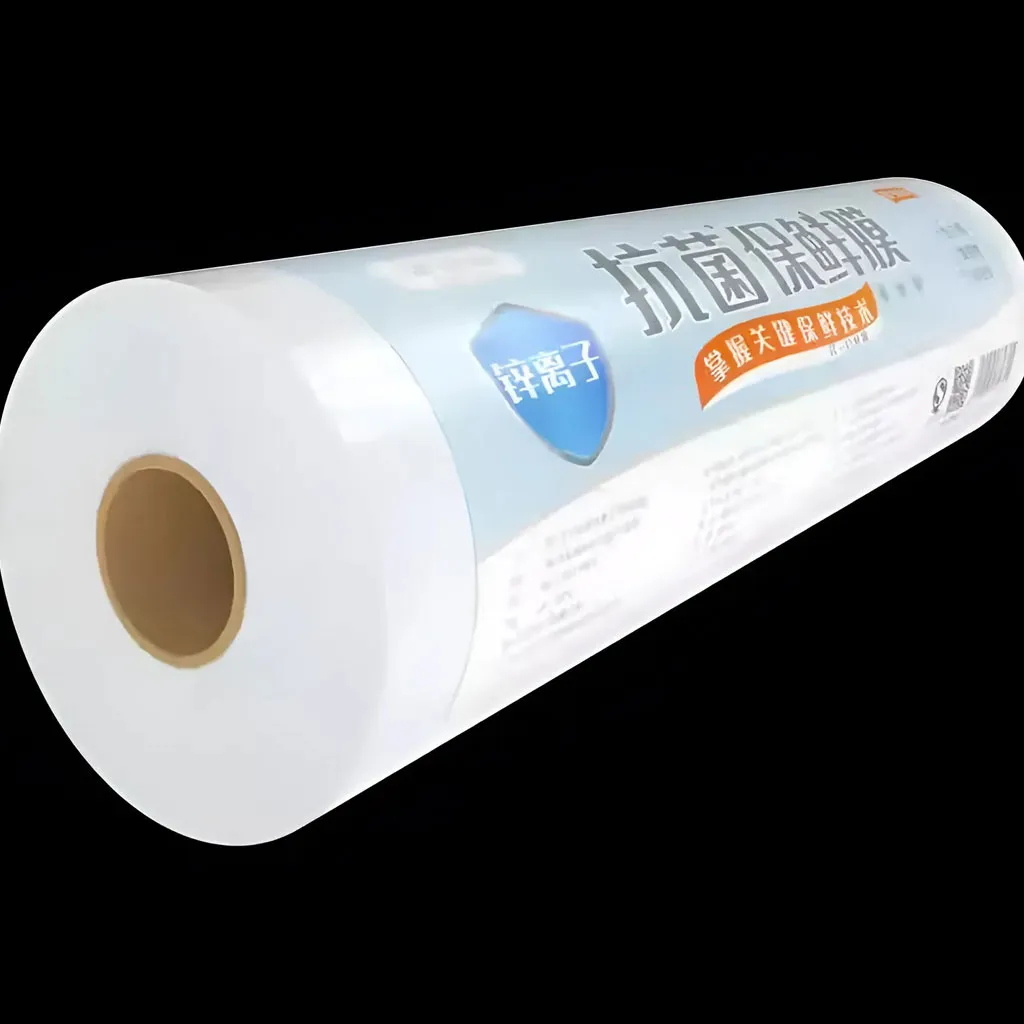
PVC laminating film is a versatile and durable material that has revolutionized countless industries, from furniture manufacturing to interior design. This thin sheet of polyvinyl chloride offers an economical and aesthetically pleasing solution for surface finishing, protection, and decoration. Its ability to mimic natural materials like wood and stone while providing superior performance characteristics makes it a preferred choice for designers, architects, and manufacturers worldwide.
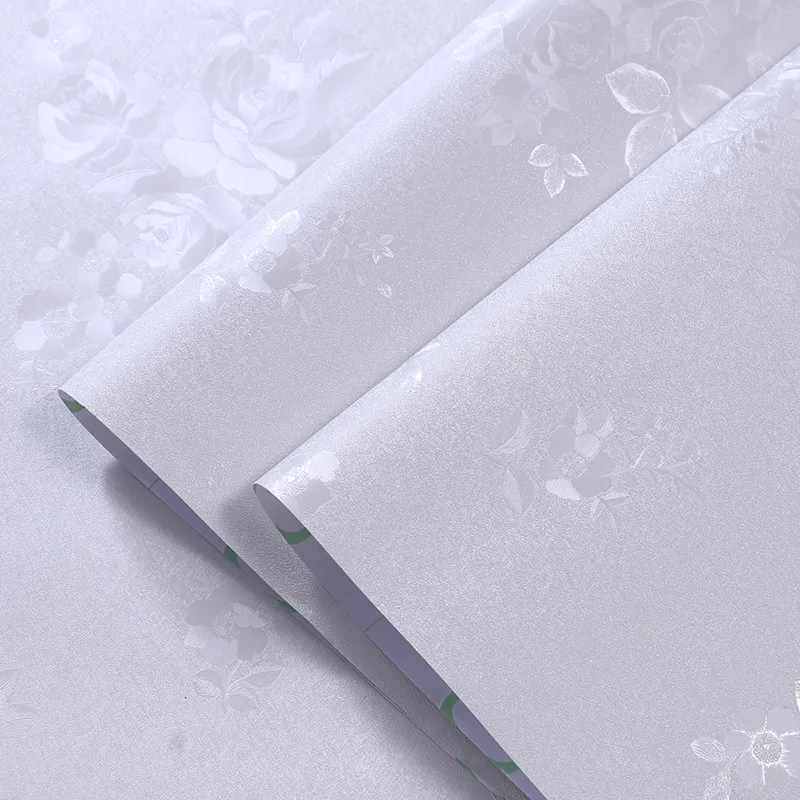
The world of PVC film is diverse, with each type engineered for specific applications and visual effects. Understanding these categories is the first step in selecting the perfect material for your project.
This classification is primarily about aesthetics and tactile feel. Glossy films provide a high-shine, reflective surface that is easy to clean and adds a modern, sleek look, often used for cabinet doors and appliances. In contrast, matte or satin finishes offer a soft, non-reflective appearance that hides fingerprints and scratches, ideal for high-touch areas like office furniture. For added dimension, textured films such as 3D Silk Texture Film, wood grain, linen, or stone patterns create a realistic feel that closely mimics natural materials.
Key Point: The choice between glossy and matte often depends on the desired ambiance. Glossy finishes can make small spaces feel larger and brighter, while matte finishes convey sophistication and are excellent for reducing glare.
Beyond looks, PVC films are enhanced with special properties for demanding environments. Self-adhesive films come with a pre-applied adhesive backing for easy, tool-free installation on clean, smooth surfaces—perfect for DIY projects and temporary renovations. Anti-static films are critical in electronics manufacturing and cleanrooms to prevent dust attraction and electrostatic discharge. For areas prone to moisture and grease, such as kitchens and bathrooms, waterproof and oil-proof films provide an indispensable protective barrier. Specialized options like Kitchen Anti-oil Film are formulated specifically to resist grease and simplify cleaning.
The foundation of the film determines its flexibility, durability, and application method. Calendered PVC film is produced by pressing molten PVC through heavy rollers, resulting in a consistent, high-quality sheet with excellent dimensional stability, widely used in furniture and automotive interiors. Learn more about our calendered film process here. Cast film is made by spreading a liquid PVC mixture onto a moving belt, yielding a film with exceptional clarity and uniformity, often used for high-clarity packaging and protective layers. For heavy-duty applications, rigid or semi-rigid films provide structural strength for items like credit cards and signage, while flexible films are used for wrapping and laminating.
The utility of PVC laminating film spans from residential homes to heavy industry, proving its adaptability and value.
This is one of the largest application areas. PVC films are laminated onto particleboard, MDF, or plywood to create stunning, durable surfaces for kitchen cabinets, wardrobes, office furniture, and shelving. Films like Wood Grain Film offer the warm look of natural wood without the cost, susceptibility to warping, or maintenance hassles. High-gloss films are popular for modern, handle-less cabinet designs, providing a seamless and hygienic surface.
Architects and interior designers leverage PVC film for wall cladding, ceiling panels, column wraps, and door skins. It allows for rapid transformation of commercial spaces like hotels, retail stores, and offices. A Marble Film can impart luxury to a feature wall at a fraction of the cost and weight of real stone. It is also extensively used for PVC skirting boards and decorative trims, offering color consistency and easy installation.
PVC films are a core component of luxury vinyl tile (LVT) and sheet flooring. The wear layer is often a clear, durable PVC film that protects the decorative layer beneath from scratches, stains, and wear. The decorative layer itself is a printed PVC film that can replicate wood, stone, or abstract designs. Products like Floor Film are engineered for high traffic, offering durability, comfort underfoot, and easy maintenance.
In the visual realm, PVC films are used for indoor and outdoor signage, vehicle wraps, point-of-sale displays, and exhibition stands. Printable PVC films accept high-quality inkjet and screen printing, producing vibrant, long-lasting graphics. Their dimensional stability and weather resistance (when properly treated) make them ideal for branding applications.
The widespread adoption of PVC film is driven by a compelling combination of practical and economic advantages.
Superior Cost-Effectiveness: PVC film delivers high-end visual results at a significantly lower cost than solid wood, natural stone, or painted finishes. It reduces material costs and can lower installation time and labor expenses, especially with self-adhesive varieties.
Exceptional Durability & Easy Maintenance: High-quality PVC laminating films are resistant to scratches, impacts, moisture, and UV fading. Surfaces are non-porous, making them resistant to stains from common household substances like coffee, ink, or grease. Cleaning typically requires only a damp cloth, eliminating the need for special polishes or sealants.
Unmatched Design Versatility: The printing and embossing technology allows for an almost infinite array of colors, patterns, and textures. This enables mass customization, allowing businesses and homeowners to achieve unique looks without the lead times or costs associated with custom natural materials.
Lightweight & Easy to Install: Compared to alternatives like metal sheets, glass, or solid wood panels, PVC film is very lightweight. This simplifies handling, transportation, and installation, particularly in vertical or overhead applications. It can be applied over existing substrates, facilitating quick renovations.
Environmental & Safety Considerations: Modern PVC films from reputable manufacturers like Pulivk are produced with increased environmental responsibility. Many are phthalate-free, lead-free, and compliant with international standards (REACH, RoHS). They use eco-solvent or water-based inks and can contribute to green building points due to their longevity and the potential for reducing the use of virgin natural resources. Their durability also means less frequent replacement, reducing long-term waste.
While both may contain PVC, their construction and purpose differ. PVC laminating film is typically a solid, homogeneous layer of PVC (often with layers for wear, print, and backing) designed for durability and lamination to rigid substrates like furniture. Vinyl wallpaper usually has a paper or fabric backing with a thinner PVC coating, designed for pasting onto walls. Film is generally more durable, moisture-resistant, and suited for high-wear applications.
Yes, but it is crucial to select the correct type. Specifically formulated waterproof PVC films with sealed edges are required for wet areas. Proper installation over a completely dry, sound, and mold-free substrate is essential to prevent moisture trapping, which could lead to failure. For bathroom floors, consider products designed for that purpose, such as Bathroom Floor Stickers.
Thickness, measured in microns (µm) or mils, correlates with durability and application. Thinner films (80-150 µm) are suitable for low-wear applications like decorative wall accents or packaging. Medium films (150-300 µm) are standard for furniture and cabinetry. Heavy-duty films (300+ µm) are used for flooring, commercial worktops, and high-traffic areas. Your supplier can recommend the optimal gauge based on your specific use case.
The environmental profile of PVC has improved significantly. Look for manufacturers who produce phthalate-free, heavy-metal-free films that comply with international safety standards. The long service life of PVC film reduces replacement frequency. Furthermore, some films are recyclable, and responsible manufacturers are increasingly incorporating recycled content. Always check for relevant certifications.
This depends on the adhesive and the substrate. Self-adhesive films designed for temporary use can often be removed cleanly, especially if heated gently with a hairdryer to soften the adhesive. Films that are permanently laminated using industrial adhesives or heat/pressure processes are not meant to be removed and would likely damage the underlying substrate if attempted. For rental properties or frequently updated spaces, choose a removable, high-quality self-adhesive film.