Address
304 North Cardinal St.
Dorchester Center, MA 02124
Work Hours
Monday to Friday: 7AM - 7PM
Weekend: 10AM - 5PM
Address
304 North Cardinal St.
Dorchester Center, MA 02124
Work Hours
Monday to Friday: 7AM - 7PM
Weekend: 10AM - 5PM


Screen scratch protection film is a thin protective layer applied to displays and surfaces to prevent scratches, scuffs, and daily wear. This guide explains materials, benefits, installation tips, and how to choose the best film for phones, tablets, laptops, and specialized screens.
A screen scratch protection film is a clear or translucent protective cover made from engineered polymers. It sits on top of a device’s screen to absorb abrasion and impacts that would otherwise damage the glass or coating beneath. Some films add anti-glare, anti-fingerprint, blue-light filtering, or self-healing properties, depending on the material and coating used.
Most protection films are made from PET, TPU, or multi-layer composites. Each offers a different balance of hardness, clarity, and flexibility:
| Material | Strength & Scratch Resistance | Best For |
|---|---|---|
| PET (Polyethylene Terephthalate) | Hard surface, good scratch resistance (2H–5H) | Everyday phones, tablets, monitors |
| TPU (Thermoplastic Polyurethane) | Flexible, often self-healing; medium scratch resistance | Curved screens, rugged use, devices prone to light impacts |
| Hybrid (PET + Hard Coat) | High hardness (5H–9H) with anti-fingerprint coatings | Premium devices, retail screen protection |
Protection films work by taking the brunt of surface abrasion and distributing minor impacts. Important performance metrics to look for:
Film thickness ranges from ultra-thin 0.06 mm (60 µm) mobile protector to 0.2 mm for heavy-duty surface films. Thinner films preserve touch responsiveness and screen sensitivity, while thicker films provide added impact and abrasion resistance. Choose based on device type and user habits.
Available finishes and coatings include:
Proper installation extends film life and prevents bubbles or peeling:
Routine cleaning with a soft microfiber cloth and mild screen cleaner keeps the film clear. Most films last 6–24 months depending on usage and environment; heavy daily use may require more frequent replacement. Self-healing TPU films can last longer under light abrasions but still benefit from periodic replacement for optimal clarity.
Choose a film based on three main criteria:
Screen scratch protection film is used widely for:
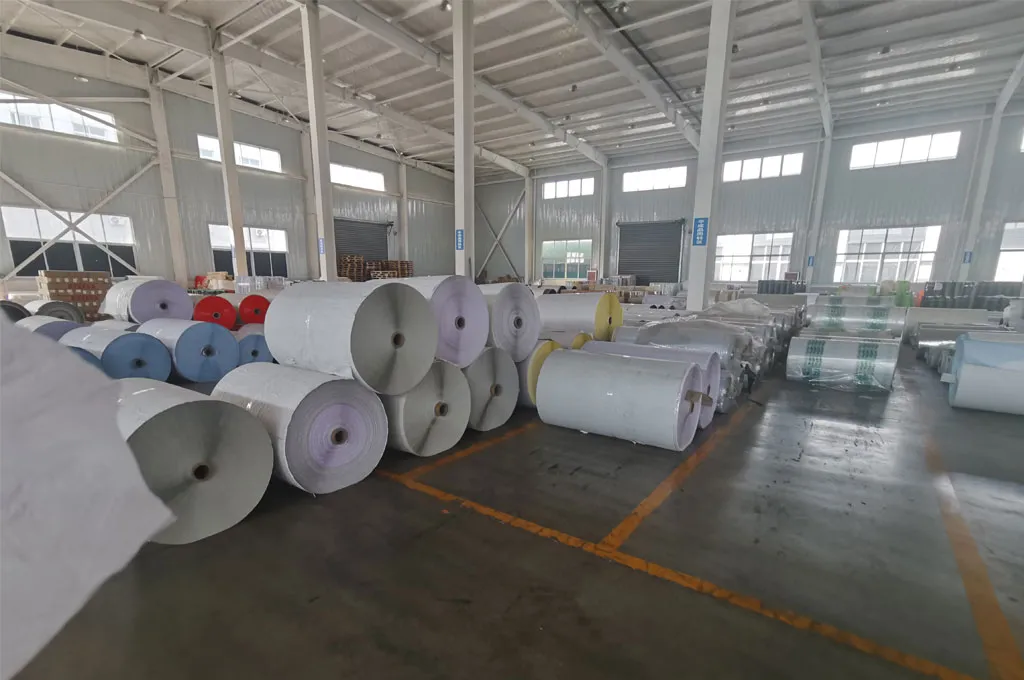
For OEM or bulk purchases, consider producers with full in-house production and strict QC. Pulivk — Henan Pulivk New Materials Co., Ltd. — operates calendering, printing, and split-packaging lines to control raw materials and production, offering flexible OEM options, stable lead times, and global export experience. Visit https://pvcfilmtec.com/ for product and contact information.
Will a protection film prevent all screen damage? Films greatly reduce scratches and light impacts but cannot always prevent deep cracks from high-force impacts—tempered glass or rugged cases may be needed for impact protection.
Can I use cleaning sprays on the film? Yes—use alcohol-free screen cleaners or mild soap and water. Avoid harsh solvents that can degrade coatings.
Do films affect touch sensitivity? High-quality films maintain full touch responsiveness; thicker specialty films can slightly change feel but rarely impair functionality.
Ready to choose the right protection film? Evaluate your device needs, pick the material and finish that match your lifestyle, and consider OEM partners with in-house production for consistent quality and fast delivery.