Address
304 North Cardinal St.
Dorchester Center, MA 02124
Work Hours
Monday to Friday: 7AM - 7PM
Weekend: 10AM - 5PM
Address
304 North Cardinal St.
Dorchester Center, MA 02124
Work Hours
Monday to Friday: 7AM - 7PM
Weekend: 10AM - 5PM


Air duct film, a specialized type of protective sheeting, plays a crucial yet often unseen role in modern construction and renovation. It is designed to protect heating, ventilation, and air conditioning (HVAC) ductwork during the messy phases of construction, preventing dust, debris, and moisture from contaminating the system. This ensures that when the building is complete, the air circulating through the ducts is clean, and the system operates at peak efficiency from day one.
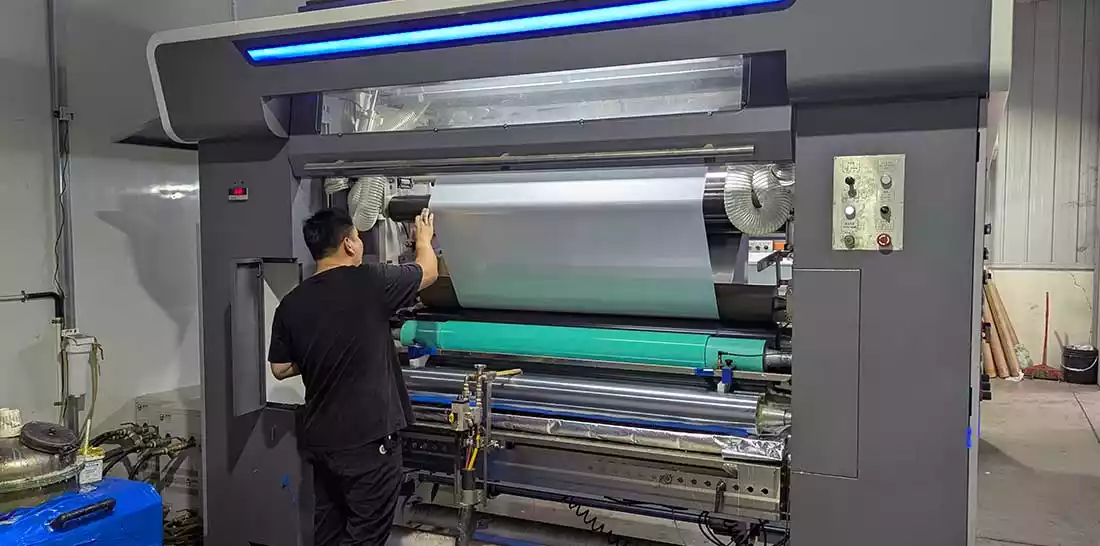
At its core, air duct film is a durable, flexible plastic sheeting. It is typically wrapped around or inserted into the open ends of installed ductwork before walls and ceilings are closed up. Its primary purpose is to act as a barrier, safeguarding the interior of the ducts from construction contaminants like drywall dust, sawdust, insulation fibers, and moisture. This proactive measure is far more effective and economical than attempting to clean contaminated ducts after construction is finished.
Key Property: The film must be strong enough to resist punctures during construction but also easy to remove without leaving residue or tearing into small pieces that could get lost inside the duct.
Not all protective films are created equal. The specific requirements of a job determine the best type of air duct film to use. The main categories include:
This is the most common and cost-effective type. It is a lightweight plastic sheeting available in various thicknesses (often measured in mils). Standard PE film is suitable for general protection against dry dust and debris.
For longer-term projects or areas with higher risk of puncture, reinforced films are used. These often have a scrim or mesh embedded between layers of PE, providing significantly greater tensile strength and tear resistance.
Some films come with a light adhesive strip along the edges. This allows for a more secure seal around duct openings, grilles, and registers, ensuring the film stays in place even in drafty conditions.
In commercial projects or areas with strict fire codes, specially treated fire-retardant (FR) or fire-resistant films are required. These films are designed to inhibit the spread of flames and comply with safety regulations.
The application of air duct film spans across various stages of building and maintenance:
While traditional air duct film is often polyethylene, advancements in PVC film technology have led to specialized variants. For instance, heavier-duty PVC films can be used for long-term capping or in industrial settings. The principles of protection and material science are shared across the industry, much like the expertise required to produce high-quality calendered films for decorative surfaces. Manufacturers like Pulivk Film, which specialize in PVC solutions for furniture and décor, understand the importance of material durability and performance—qualities equally vital for effective air duct protection.
Using air duct film is a best practice in construction for a multitude of reasons, offering benefits for builders, homeowners, and HVAC professionals alike.
This is the most significant benefit. A duct system contaminated with construction dust will blow those particles throughout the home for years. This can aggravate allergies, asthma, and other respiratory issues. Air duct film acts as the first and most important line of defense for clean air.
Dust and debris that settle on the blower fan, heat exchanger, or cooling coils force the system to work harder. This increases energy consumption, reduces efficiency, and can lead to premature component failure and costly repairs. Clean ducts mean a more efficient and longer-lasting system.
The minimal cost of the film and the short time required to install it pale in comparison to the expense of a professional duct cleaning service. It is a classic example of “an ounce of prevention is worth a pound of cure.” It also prevents callbacks for builders dealing with dusty air complaints from new homeowners.
By containing the dust at its source, less dust settles on finished surfaces like cabinets, countertops, and vinyl flooring, making the final cleanup faster and more thorough. This principle of localized protection is similar to using anti-oil films behind a stove to simplify kitchen cleaning.
For reputable builders and HVAC contractors, using air duct film is a mark of quality workmanship. It demonstrates a commitment to delivering a finished product that is clean, healthy, and built to last, enhancing professional credibility.
To be effective, air duct film must be installed and removed correctly:
Installation: Ensure the duct interior is dry. Wrap film securely around register openings and duct ends, using tape (preferably painter’s tape or duct tape) to create an airtight seal. For round ducts, the film can be gathered and taped like a bag. Labeling the film with the room name or duct number can be helpful.
Removal: This should be done after all drywall sanding and major dust-generating activities are complete, but before the final HVAC system startup. Carefully remove the tape and film, taking care not to let any torn pieces fall into the duct. Immediately dispose of the film to prevent the dust from re-entering the environment.
Yes, it is still necessary. While good filters are important for ongoing maintenance, they are not designed to handle the massive volume of fine construction dust (like drywall compound). This dust can bypass the filter, coat internal components, and settle in duct branches, negatively impacting system performance and air quality from the start.
It is not recommended. Regular plastic may be too thin and prone to tearing, or too thick and difficult to seal properly. Specialized duct film offers the right balance of durability, flexibility, and sometimes adhesive properties for a secure, long-lasting seal that won’t fail during construction.
Typically, the HVAC contractor installs the film after the ductwork is complete. The general contractor or builder is then responsible for ensuring it remains intact during construction and arranging for its removal during the final cleanup phase, just before the HVAC system is commissioned.
Quality air duct film can remain in place for the duration of a standard construction project (several months) without degrading. However, it should be inspected periodically for damage. For projects with extended delays, a more durable reinforced film may be advisable.
If a duct system is to be tested for leaks (a process called duct blaster testing), the film must be temporarily removed for the test, as it would seal off intentional openings. The test is best performed after the ducts are installed but before the film is applied, or by removing the film temporarily for the test and then reapplying it.