Address
304 North Cardinal St.
Dorchester Center, MA 02124
Work Hours
Monday to Friday: 7AM - 7PM
Weekend: 10AM - 5PM
Address
304 North Cardinal St.
Dorchester Center, MA 02124
Work Hours
Monday to Friday: 7AM - 7PM
Weekend: 10AM - 5PM


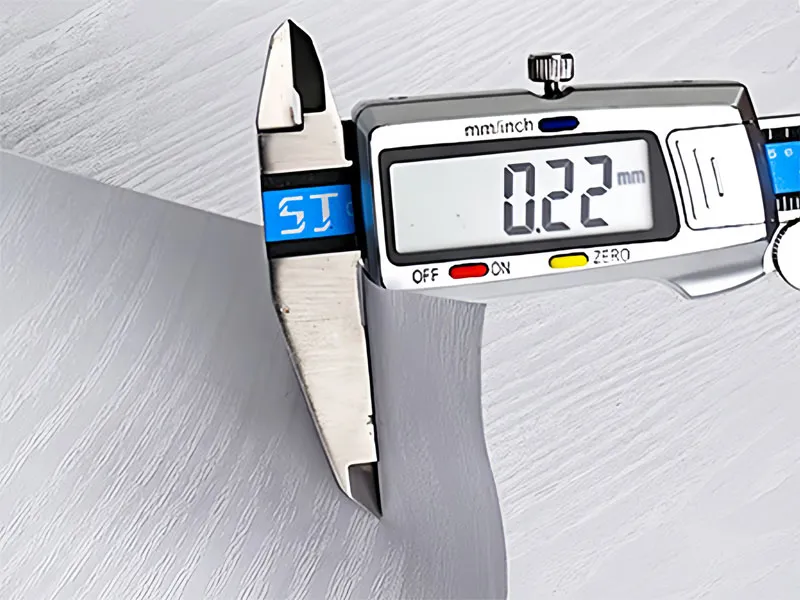
Air duct film, a specialized type of flexible sheeting, is a critical component in modern heating, ventilation, and air conditioning (HVAC) systems. Its primary function is to line the interior of air ducts, creating a smooth, sealed, and often insulated passageway for conditioned air to travel throughout a building. This guide delves into what air duct film is, explores its various types and uses, and provides a practical installation guide.

At its core, air duct film is a durable, flexible membrane. It is engineered to be installed inside sheet metal, fiberboard, or flexible ductwork. Unlike rigid ducts alone, the film provides a continuous barrier that minimizes air leakage, reduces friction (improving airflow efficiency), prevents condensation, and inhibits the growth of mold, dust, and other contaminants within the duct system. This results in better indoor air quality, improved system performance, and lower energy costs.
While not always made from PVC, many high-performance air duct films utilize polyvinyl chloride or similar polymers due to their excellent air-tightness, flexibility, and resistance to moisture. For a deeper understanding of polymer-based films used in construction, you can explore our Knowledge Base.
✔ Improved Energy Efficiency: Seals leaks and creates a smooth surface for optimal airflow.
✔ Enhanced Air Quality: Acts as a barrier against dust, fiberglass, and microbial growth.
✔ Condensation Control: Prevents moisture buildup that can lead to mold and corrosion.
✔ Noise Reduction: Can dampen the sound of air moving through the ducts.
✔ Extended Duct Lifespan: Protects metal ducts from corrosion and fiberboard from degradation.
Air duct films are categorized based on their material composition, structure, and specific properties. Choosing the right type depends on the application, local building codes, and environmental conditions.
A cost-effective and common option, PE film is lightweight and provides a good moisture barrier. It is often used in residential applications and for lining flexible ducts. It is typically non-reinforced.
These are composite films where a plastic layer (like PE or PVC) is laminated to a reinforcing fabric or scrim. This significantly increases tear strength, puncture resistance, and durability, making them ideal for commercial applications or ducts in accessible areas like attics and crawl spaces.
These films feature a reflective aluminum foil layer laminated to a polymer backing. The foil surface provides an excellent radiant heat barrier, helping to maintain air temperature inside the duct. This is crucial for unconditioned spaces like attics. The technology behind such laminated materials is similar to that used in advanced Calendered Films.
This is a complete system where the film is pre-laminated to fiberglass or foam insulation. It serves as both the air barrier and the vapor retarder for the insulation, streamlining installation in new construction or major retrofits.
Specially formulated films that meet stringent fire safety and smoke development ratings (like UL 723 / ASTM E84). These are mandatory for use in plenums (the space used for air circulation) and in many commercial buildings to prevent the spread of fire through the duct system.
Air duct film is versatile and finds application in various settings:
Residential HVAC Systems: Lining existing leaky metal ducts in older homes, wrapping new ductwork during construction, or sealing connections in flexible duct systems to improve overall home efficiency.
Commercial and Institutional Buildings: In offices, schools, and hospitals, duct film is essential for maintaining high air quality standards and meeting energy codes. Fire-rated films are commonly used here.
Industrial Ventilation: Used in exhaust systems to contain fumes, dust, or lightweight particulates, protecting the duct structure from corrosive or abrasive materials.
Retrofit and Renovation Projects: It is a key solution for upgrading outdated duct systems without the massive cost and disruption of full replacement. The principle of surface renewal is also seen in decorative applications like using Wood Grain Film for furniture refurbishment.
Important: This guide is for informational purposes. Duct sealing and lining can affect system pressure and performance. Consulting with or hiring a professional HVAC contractor is strongly recommended, especially for complex systems.
Turn off the HVAC system completely. Ensure the ductwork is accessible. Wear appropriate safety gear to protect from insulation fibers and dust. Thoroughly clean the interior of the duct to be lined, removing any loose debris, dust, or old lining material.
Measure the length and circumference of the duct section. Cut the film to size, allowing a slight overlap (typically 1-2 inches) at the seams. For rectangular ducts, cut pieces for each side; for round ducts, cut a sheet wide enough to wrap around the circumference.
Apply a generous, even coat of HVAC mastic to the interior walls of the duct. For the film-first method, you can also apply mastic to one side of the film. Carefully insert the film into the duct, smoothed side facing the airflow. Press it firmly against the duct walls, working from one end to the other to avoid wrinkles and air pockets.
Pro Tip: For long duct runs, it’s easier to attach the film to a stiff rod or conduit and “feed” it into the duct, unrolling it as you go.
Overlap the edges of the film by at least 1 inch. Seal all longitudinal seams and end joints with UL 181 approved foil tape. For maximum permanence and airtightness, brush a layer of mastic over the taped seams. This double-sealing method is highly effective.
This is a critical step often missed. Apply mastic and tape to seal the connection between the newly lined duct and the register boot (the box that holds the floor or ceiling vent). Also, seal all other connections in the duct system, including at the air handler and between duct sections.
Allow all mastic to dry as per manufacturer instructions (usually 24-48 hours). Visually inspect for any missed gaps, loose film, or unsealed joints. Once dry, turn the HVAC system back on. A professional can perform a duct blaster test to quantify the improvement in airtightness.
Q1: Can I install air duct film myself, or should I hire a professional?
While a handy homeowner can tackle small, accessible sections, hiring a certified HVAC professional is highly recommended for whole-house systems. They have the tools (like duct blasters) to test for leaks before and after, understand pressure balance, and ensure the installation meets local building codes, which is crucial for safety and insurance.
Q2: Is air duct film the same as duct tape?
No, they are completely different products. Duct film is a lining material. “Duct tape” (even the UL 181 approved foil type) is a sealing tape used on joints and seams. The common cloth-backed duct tape degrades quickly in HVAC applications and should never be used as a primary sealant.
Q3: Will lining my ducts with film restrict airflow?
Properly installed film creates a smoother surface than unlined sheet metal or fiberboard, which actually reduces friction and can improve airflow. The key is ensuring the film is installed smoothly without sagging into the airstream, which a professional can guarantee. For other smooth-surface solutions, consider Glossy Wardrobe Film for interior surfaces.
Q4: How long does air duct film last?
High-quality, professionally installed air duct film can last for 20 years or more. Its lifespan depends on the material quality, installation correctness, and the operating environment (e.g., temperature, humidity). It is a long-term investment in your building’s efficiency.
Q5: Can duct film solve mold problems in my ducts?
Duct film can be part of the solution after the root cause of the mold (usually excess moisture from a leak, condensation, or high humidity) has been identified and completely remediated. The film provides a new, clean, non-porous surface that is resistant to mold growth, preventing recurrence from airborne spores. However, installing film over active mold will trap and possibly worsen the problem.