Address
304 North Cardinal St.
Dorchester Center, MA 02124
Work Hours
Monday to Friday: 7AM - 7PM
Weekend: 10AM - 5PM
Address
304 North Cardinal St.
Dorchester Center, MA 02124
Work Hours
Monday to Friday: 7AM - 7PM
Weekend: 10AM - 5PM


Air duct film, a specialized type of flexible sheeting, is a critical component in modern heating, ventilation, and air conditioning (HVAC) systems. Its primary function is to act as a protective barrier and vapor retarder within air ductwork, safeguarding the insulation and ensuring the system operates efficiently and hygienically. This guide delves into the nature of air duct film, exploring its various types, wide-ranging applications, and providing a practical installation guide for professionals and informed DIY enthusiasts.
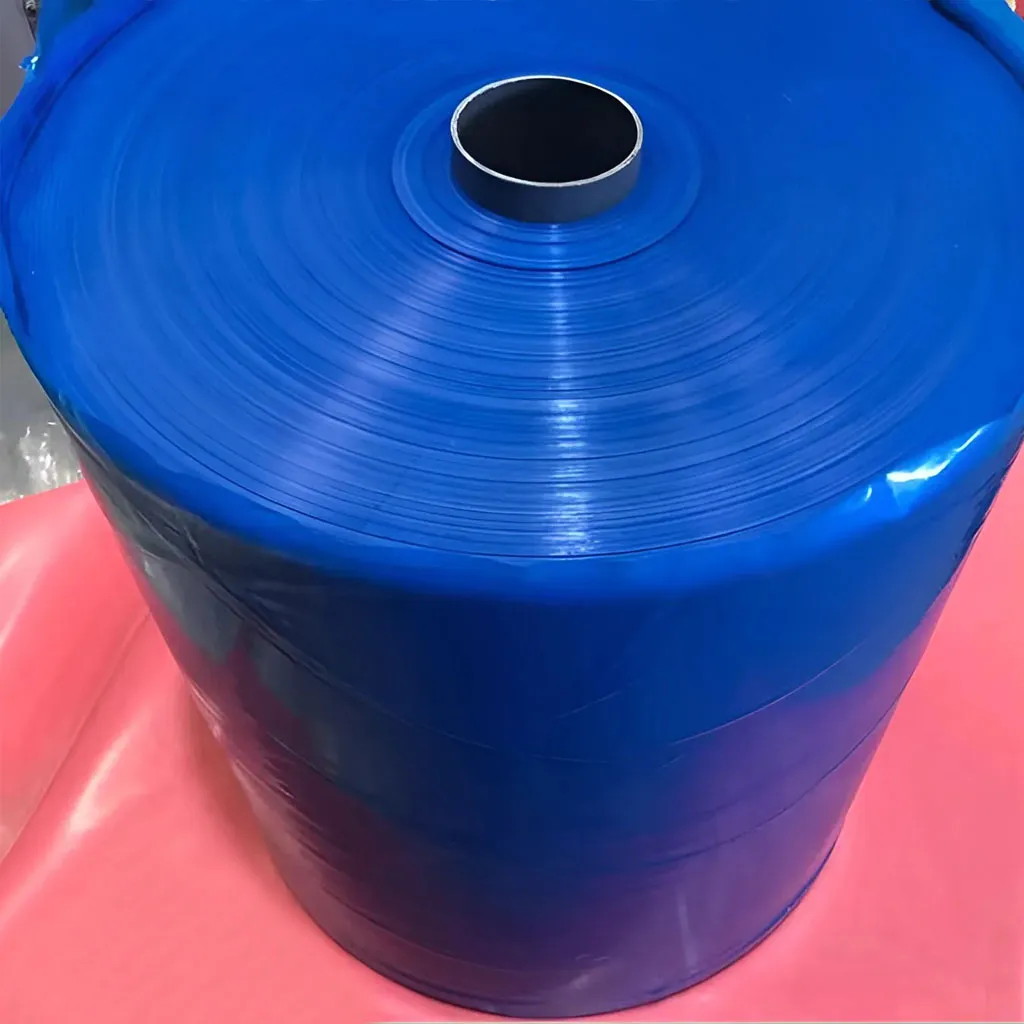
At its core, air duct film is a thin, durable membrane installed on the interior or exterior of ductwork insulation. It serves multiple essential purposes:
➤ Vapor Barrier: It prevents moisture from the surrounding air from penetrating the duct insulation. Condensation within insulation can lead to mold growth, reduced thermal performance, and corrosion of the ductwork itself.
➤ Air Barrier: It helps seal the duct system, minimizing air leakage. This improves overall HVAC efficiency, reduces energy costs, and ensures conditioned air reaches its intended destination.
➤ Protective Layer: It shields the often-fragile fiberglass or other insulation materials from physical damage, dust, and debris during and after installation.
The material is typically a lamination of plastic films, often polyethylene or polypropylene, and may include reinforcing scrim or metalized layers for added strength and performance. For those interested in the manufacturing process behind such flexible materials, learning about calendered film production provides valuable insight into how consistent, high-quality sheets are created.
Selecting the right air duct film depends on the specific requirements of the HVAC project, including climate, duct location, and local building codes. The main categories include:
These are the most common type, designed with a very low permeance rating to block moisture transfer. They are classified by their “perms” (a measure of water vapor transmission).
These films incorporate layers for enhanced durability and function.
Air duct film is indispensable across residential, commercial, and industrial construction. Its applications ensure system longevity, energy efficiency, and indoor air quality.
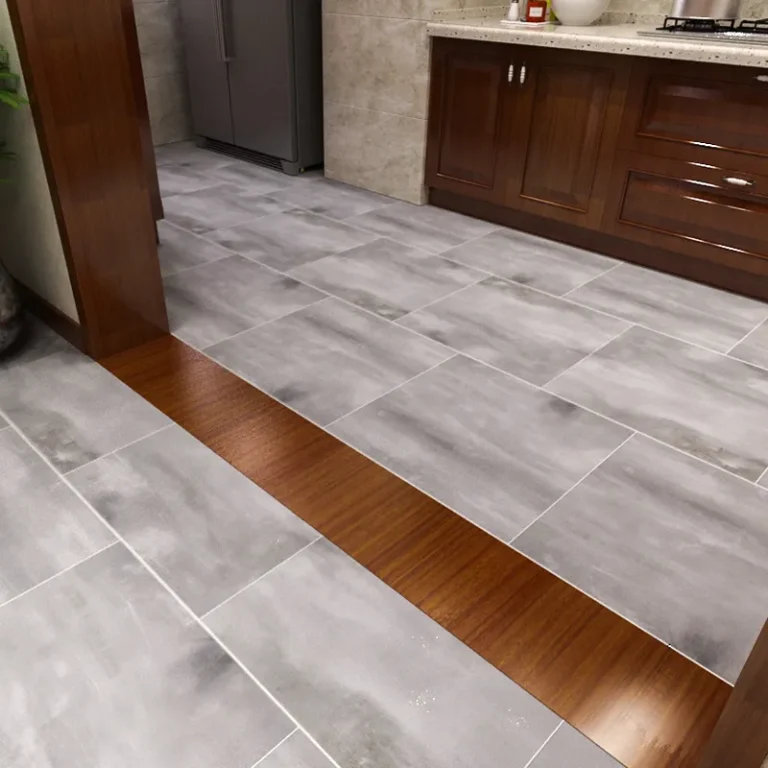
In homes, duct film is wrapped around insulated flexible ducts or applied over insulation on sheet metal ducts, particularly in attics, basements, and between floors. It prevents condensation in humid summer months and protects insulation from attic dust or pest intrusion. The principles of protection and aesthetics sometimes overlap; for instance, the durability needed for duct film is similar to that required for high-wear decorative surfaces like vinyl kitchen flooring.
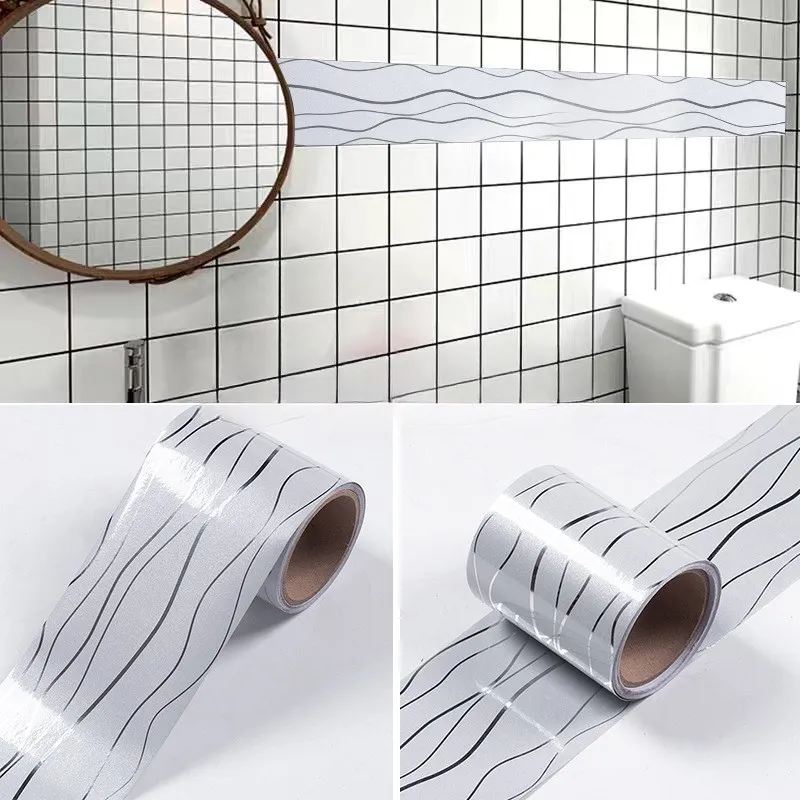
Large-scale HVAC systems in offices, hospitals, schools, and factories rely heavily on reinforced and fire-rated duct films. They protect extensive duct runs in plenum spaces, maintain hygiene in sensitive environments like hospitals, and ensure compliance with rigorous building safety standards. The need for clean, protected surfaces extends to other areas of a building, such as using specialized films for PVC skirting or wall protection.
Proper installation is paramount for the film to perform its intended functions. Here is a general guide for installing duct wrap insulation with an integral or separate vapor barrier film.
Ensure the duct surface is clean, dry, and free of sharp edges or protrusions that could puncture the film. Measure the duct’s length and circumference to cut the insulation blanket to the correct size, allowing for a slight overlap (typically 1-2 inches).
Wrap the insulation blanket around the duct with the vapor barrier film facing the outside (toward the warmer, more humid air). For most climates in conditioned spaces, the vapor barrier should face outward. In unconditioned spaces, follow local code, which typically dictates the barrier faces the unconditioned side. Pull the blanket snugly to avoid gaps and compress the insulation minimally.
Where the two ends of the blanket meet, create a tight longitudinal seam. Overlap the film flaps. Using the approved foil tape, seal the entire length of the seam. Press firmly to ensure a complete bond. Do not use cloth duct tape, as it degrades over time.
Pro Tip: For maximum seal integrity, some professionals recommend a “stick-and-staple” method for ducts near wooden framing: apply adhesive to the duct, press the insulation on, then use staples at the seams for additional hold before taping.
Where two sections of insulated duct meet, butt the ends together tightly. Use tape to seal the circumferential joint, wrapping it completely around the duct. Also, seal all ends where the insulation terminates at boots, collars, or plenums. Every penetration, like a hanging strap, must be meticulously sealed with tape or a compatible mastic.
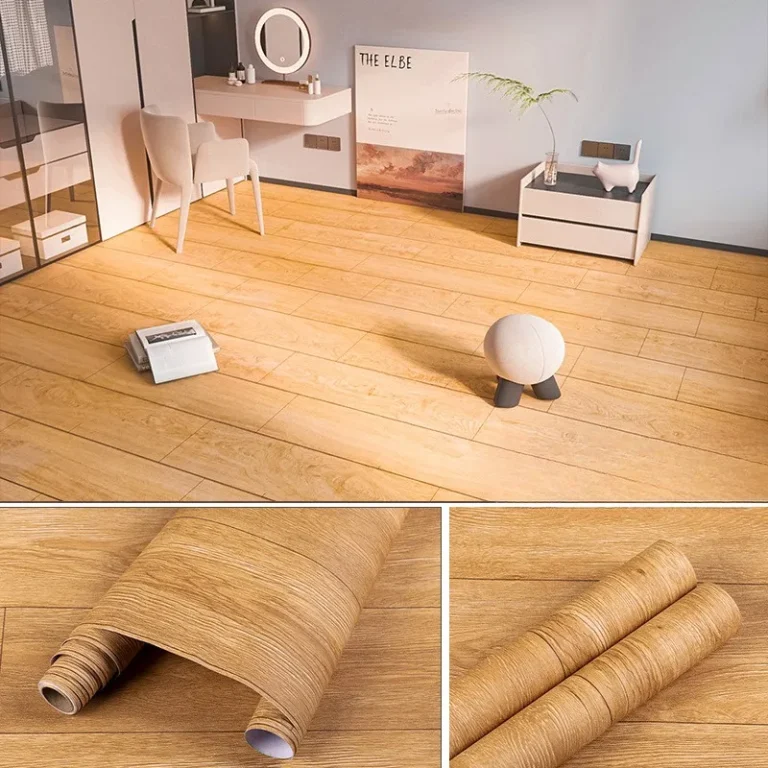
Check the entire installation for any tears, gaps, or unsealed areas. The vapor barrier should be continuous, without breaches. Ensure insulation is not overly compressed at bends or fittings. A well-sealed system is as crucial for efficiency as choosing the right decorative finish, such as a wood grain film for furniture, is for aesthetics.
The vapor barrier (typically the shiny or reinforced side) generally faces the warmer, more humid air. In conditioned spaces, this is outward. In unconditioned spaces (like a vented attic in winter), it should face the unconditioned side. Always consult local building codes for specific requirements.
No. Regular polyethylene sheeting lacks the necessary durability, fire ratings, and precise vapor permeance ratings required for HVAC applications. Always use UL-listed or code-approved duct wrap materials.
Extremely important. Only use tape listed and approved for use with the specific duct insulation system (e.g., UL 181A-P or B-FX listed). Inappropriate tape will fail, leading to air leakage, condensation, and system inefficiency.
It may not be required as a vapor barrier if the surrounding air has similar temperature and humidity. However, it often still serves as a protective jacket for the insulation and a minor air barrier, improving system performance.
Yes, small tears or punctures can be repaired using the same approved foil tape. Ensure the area is clean and dry, and cover the damage with a patch of tape that extends several inches beyond the damaged area in all directions.