Address
304 North Cardinal St.
Dorchester Center, MA 02124
Work Hours
Monday to Friday: 7AM - 7PM
Weekend: 10AM - 5PM
Address
304 North Cardinal St.
Dorchester Center, MA 02124
Work Hours
Monday to Friday: 7AM - 7PM
Weekend: 10AM - 5PM


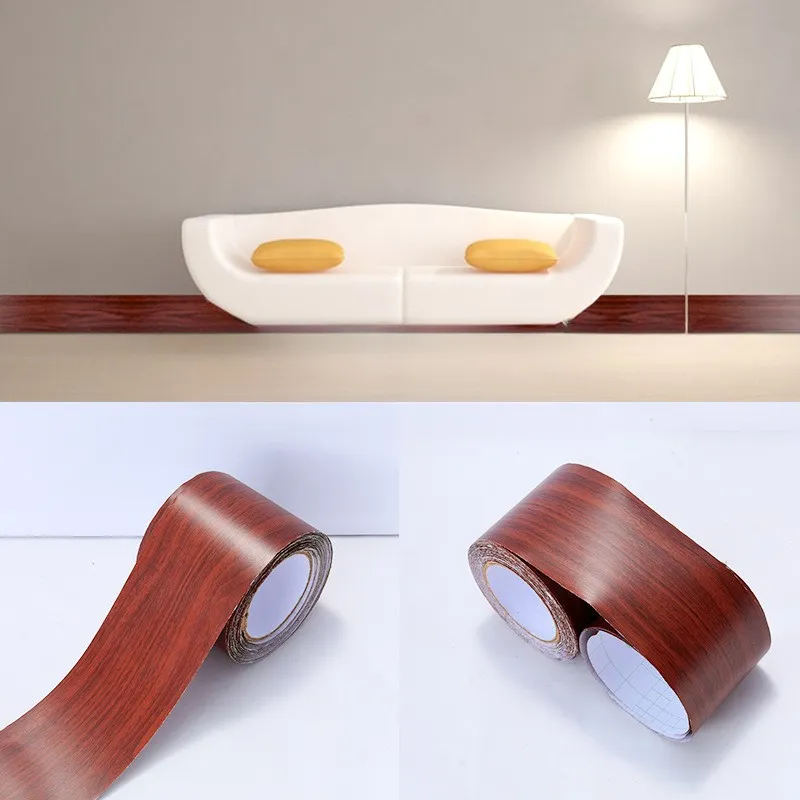
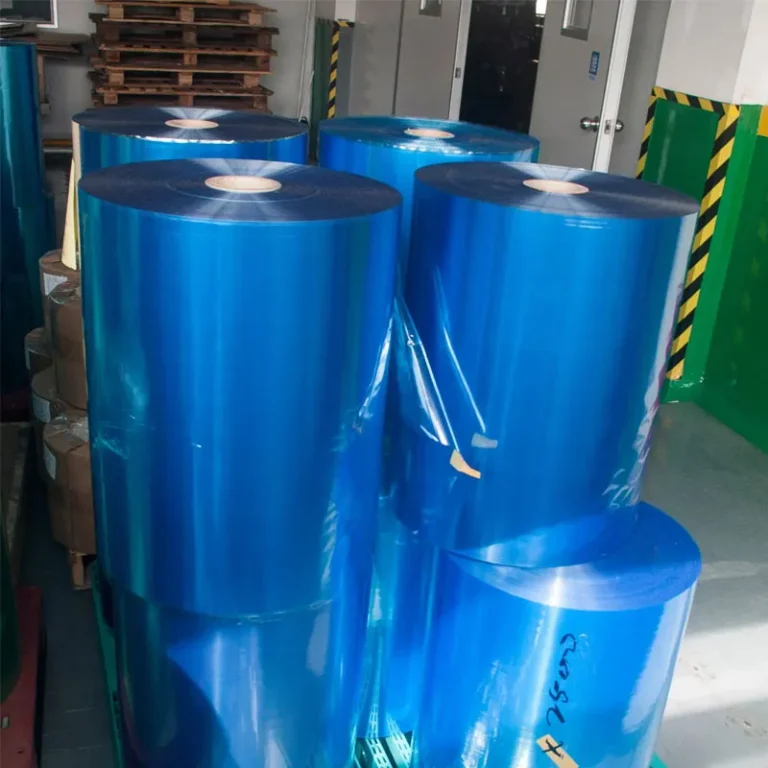
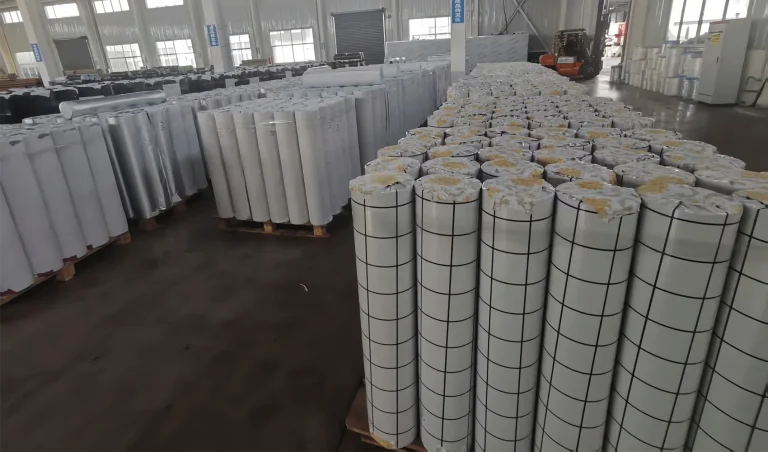
Flexible PVC film, a versatile and widely used material, is a thin sheet manufactured from polyvinyl chloride (PVC) resin combined with plasticizers, stabilizers, and other additives to achieve specific properties. This formulation grants it a unique balance of durability, pliability, and adaptability that rigid PVC lacks. At its core, flexible PVC film is a synthetic polymer product designed to conform to various surfaces and applications, making it a cornerstone material across numerous industries from furniture manufacturing to medical packaging.
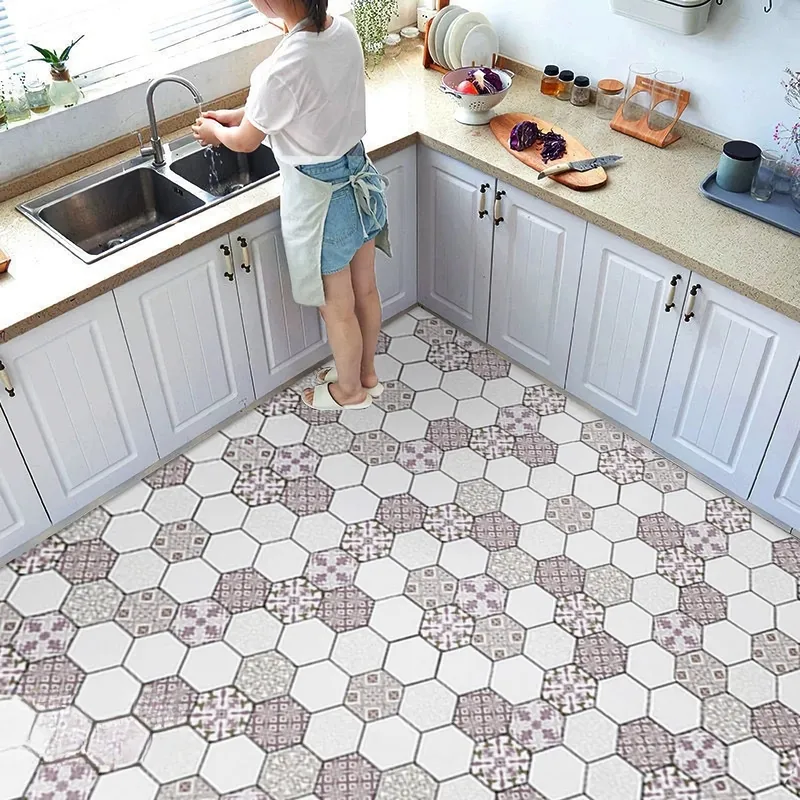
The world of flexible PVC film is diverse, with different types engineered for specific functions and aesthetic outcomes. The primary categorization often relates to its production method and intended surface finish.
Calendered PVC Film: This is produced by passing the heated PVC compound through a series of heavy rollers (calenders) to form a continuous sheet of precise thickness. It is known for its excellent dimensional stability, smooth surface, and high-quality finish, making it ideal for decorative applications like furniture laminates and wall coverings.
Cast PVC Film: Created by spreading a liquid PVC plastisol onto a moving belt or substrate and then curing it with heat. Cast films typically offer superior clarity, a softer feel, and more consistent gauge control, which is crucial for products like adhesive tapes and protective films.
The finish of the film defines its visual and tactile appeal. Manufacturers like Pulivk Film offer an extensive range:
The application of flexible PVC film is a testament to its versatility. Its ability to be printed, embossed, laminated, and adhesive-coated opens doors to countless uses.
This is one of the largest application areas. PVC film is laminated onto substrates like MDF, particleboard, or plywood to create surfaces for cabinets, wardrobes, tables, and doors. It offers an affordable and durable alternative to real wood veneer or laminate, available in countless wood grain patterns, solid colors, and high-gloss finishes. It’s also used for wall coverings and decorative ceiling panels.
In construction, PVC films are used for waterproof membranes, wall cladding, and protective layers. Specifically, in flooring, flexible PVC is the key component in luxury vinyl tile (LVT) and sheet flooring. These floor films are wear-resistant, easy to clean, and can replicate the look of hardwood, stone, or ceramic tile with impressive accuracy.
PVC’s clarity, strength, and printability make it excellent for blister packs, clamshell packaging, and shrink sleeves for consumer products. In signage and graphics, it is used for banners, vehicle wraps, and window decals due to its weather resistance and ability to hold vibrant inks.
Medical-grade flexible PVC film is used in blood bags, IV fluid bags, and sterile packaging because it is non-reactive, durable, and can be sterilized. Other specialty uses include cleanroom wall coverings, kitchen anti-oil films for splashbacks, and protective films for electronic device screens.
Choosing flexible PVC film is driven by a powerful combination of practical and economic benefits.
Flexible PVC film is inherently tough. It resists abrasion, impact, moisture, and many chemicals. Plasticizers ensure it remains flexible across a range of temperatures, preventing cracking or becoming brittle. This leads to products with long service lives, even in high-traffic or demanding environments like kitchens and bathrooms.
Compared to natural materials like wood, stone, or leather, PVC film provides a dramatically lower-cost alternative without sacrificing aesthetic appeal. Its manufacturing process allows for infinite design possibilities—any color, pattern, or texture can be reproduced consistently. This enables mass customization, allowing businesses to offer diverse product lines without maintaining huge inventories of raw natural materials.
Surfaces laminated with PVC film are typically non-porous, making them easy to clean with just a damp cloth and mild detergent. They resist stains and do not require sealing or polishing. Many films come with self-adhesive backing or are designed for efficient thermal lamination, simplifying the fabrication and installation process for manufacturers and installers.
Reputable producers adhere to strict international standards. Modern flexible PVC films can be formulated to be phthalate-free, lead-free, and compliant with REACH, RoHS, and FDA regulations for specific uses. Fire-retardant grades are also available for applications where safety is paramount. Companies like Pulivk Film emphasize the use of eco-friendly inks and processes to ensure product safety for indoor and human-contact applications.
Calendered film is generally denser, has better dimensional stability, and is preferred for rigid laminates and decorative surfaces where a perfect finish is needed. Cast film is softer, offers superior clarity and gauge consistency, and is often used for adhesive tapes, protective films, and applications requiring deep draw formability.
The environmental profile of PVC is complex. While the material itself is durable and long-lasting, its lifecycle and disposal are subjects of regulation. Responsible manufacturers focus on producing long-life products, using stabilizer systems that comply with the strictest regulations (like REACH), and some offer recyclable formulations. Always check for relevant certifications from your supplier.
Yes, but it must be specifically formulated for outdoor use. Standard films may degrade under prolonged UV exposure. Outdoor-grade films contain UV stabilizers and additives to resist fading, weathering, and embrittlement, making them suitable for exterior signage, certain construction membranes, and outdoor furniture elements.
Extremely customizable. Through OEM/ODM services, parameters like thickness (gauge), width, roll length, color, surface texture (e.g., marble effect), and functional coatings (anti-bacterial, anti-fog) can be tailored. This makes it an ideal solution for designers and brands seeking a unique material specification.
Key factors include: the supplier’s production capability and quality control processes, their experience with your target application, compliance with necessary safety and environmental standards, their flexibility for customization and sample provision, and their reliability in terms of lead times and global logistics support.