Address
304 North Cardinal St.
Dorchester Center, MA 02124
Work Hours
Monday to Friday: 7AM - 7PM
Weekend: 10AM - 5PM
Address
304 North Cardinal St.
Dorchester Center, MA 02124
Work Hours
Monday to Friday: 7AM - 7PM
Weekend: 10AM - 5PM


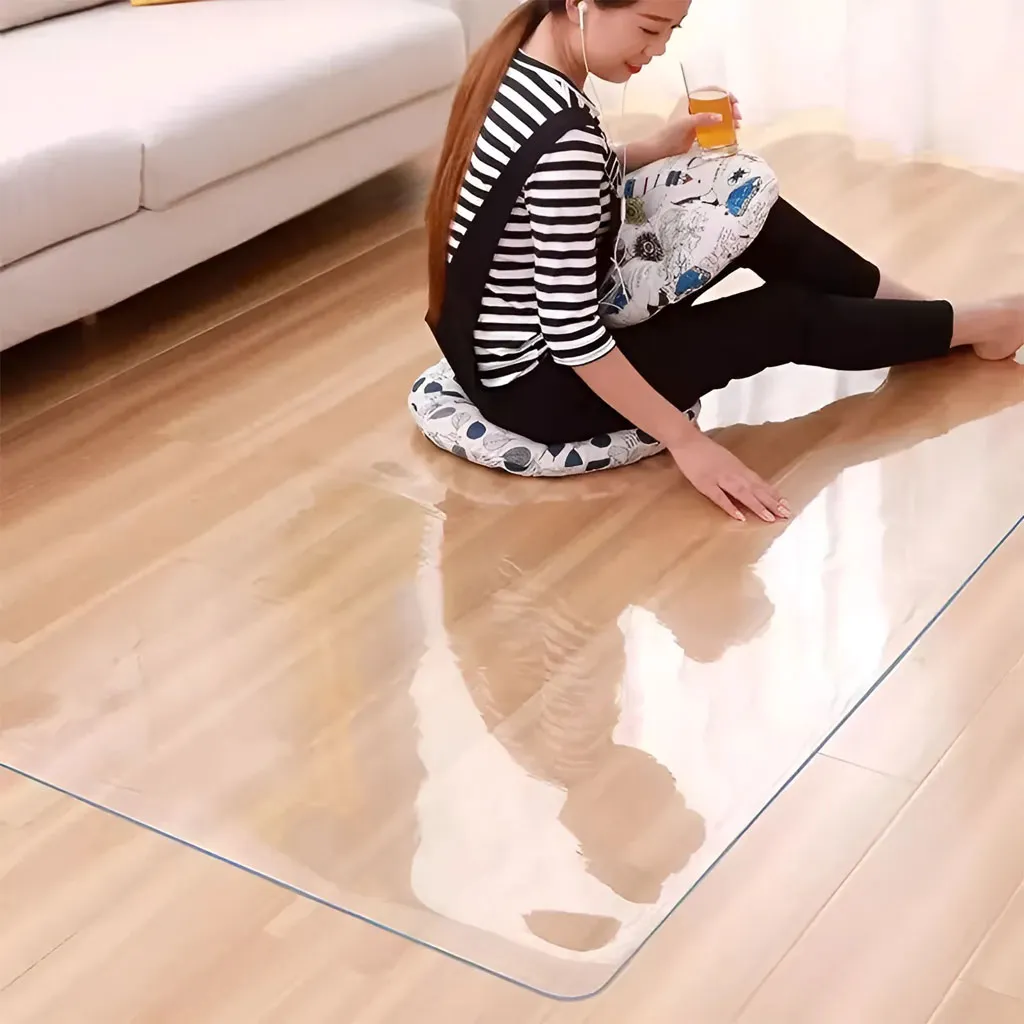
Floor protection film is a temporary, peelable sheet designed to shield flooring from scratches, paint, dust, and heavy foot traffic during construction, renovation, moving, or events. It helps preserve the finish of wood, tile, stone, vinyl, and laminate floors without long-term damage.
Floor protection film is typically made from polyethylene (PE), PVC, or laminated composite films and comes in adhesive and non-adhesive versions. Adhesive films stick to the surface to prevent shifting, while non-adhesive films are held in place by taping or weighted edges. Thickness ranges from light 30–50 microns for short jobs to heavy-duty 100–200+ microns for construction sites.
Professionals and homeowners choose floor protection film for a variety of scenarios:
Floor protection film offers several advantages:
The table below summarizes common film types and where they’re best used:
| Type | Typical Thickness | Best For |
|---|---|---|
| Self-adhesive PE film | 30–80 microns | Short-term protection during painting or moving |
| Non-adhesive PE/PVC film | 50–150 microns | Longer jobs where tape is preferred or surface sensitivity is high |
| Heavy-duty anti-slip film | 100–250 microns | Construction sites and high-traffic commercial areas |
| Decorative protective film (printed) | 40–120 microns | Showrooms, events, or branded installations |
Pick a film based on these practical factors:
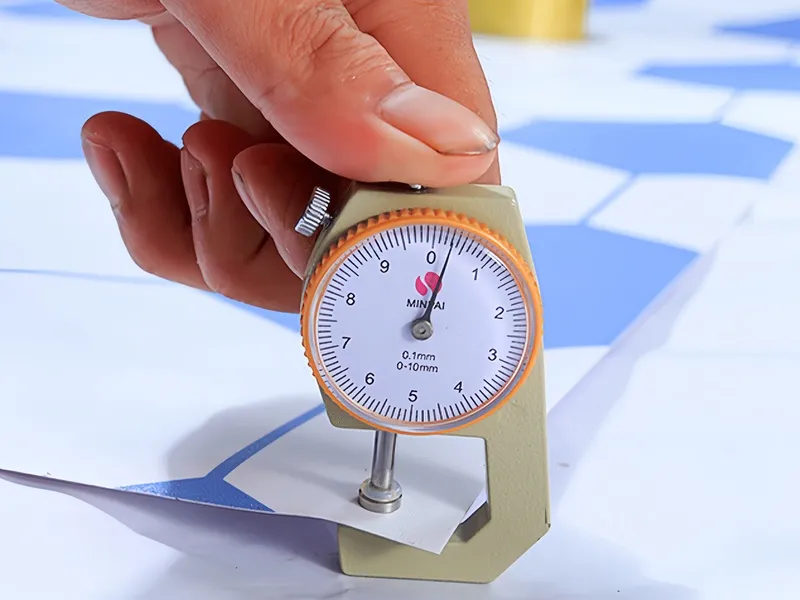
Correct application extends protection and prevents issues:
For large-scale or OEM needs, manufacturers can supply custom widths, printed branding, adhesive strengths, and specialized textures. Pulivk (https://pvcfilmtec.com/) offers full in-house production and flexible OEM services to meet tailored requirements.
Q: Will adhesive film damage my floor? Most modern self-adhesive films are formulated to be low-residue, but always test a small hidden area and follow the product’s recommended contact time.
Q: How long can film stay on? Light-duty films are ideal for days to a few weeks; heavy-duty and UV-stable films can remain for months if specified by the manufacturer.
Q: Is floor protection film reusable? Generally no—once removed, films lose adhesion and can carry dirt; they are usually single-use for hygiene and performance reasons.
Using the right floor protection film reduces risk, saves time, and protects the value of finished floors during any temporary work or event.