Address
304 North Cardinal St.
Dorchester Center, MA 02124
Work Hours
Monday to Friday: 7AM - 7PM
Weekend: 10AM - 5PM
Address
304 North Cardinal St.
Dorchester Center, MA 02124
Work Hours
Monday to Friday: 7AM - 7PM
Weekend: 10AM - 5PM


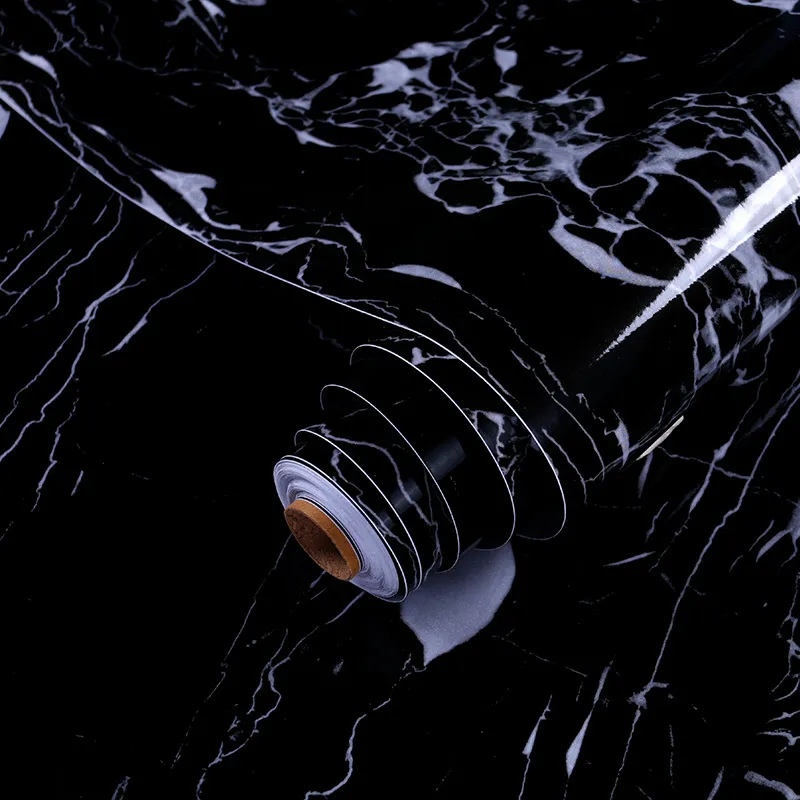
PVC film lamination is a versatile surface finishing technique that applies decorative and protective PVC layers to substrates such as MDF, particleboard, metal, glass, and plastic. Widely used in furniture, flooring, kitchen surfaces, signage, and automotive interiors, laminated PVC films deliver cost-effective aesthetics and enhanced durability without the complexity of traditional finishing methods.
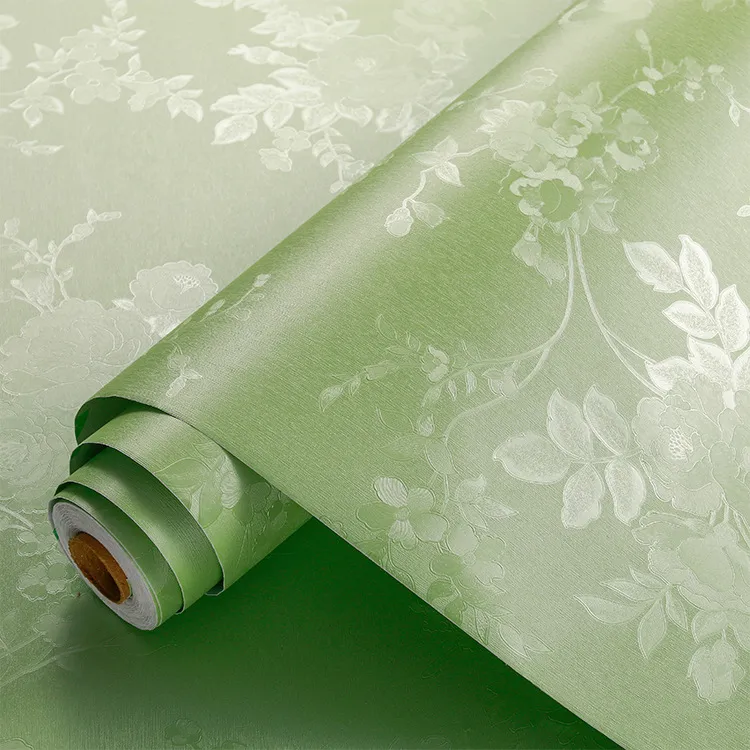
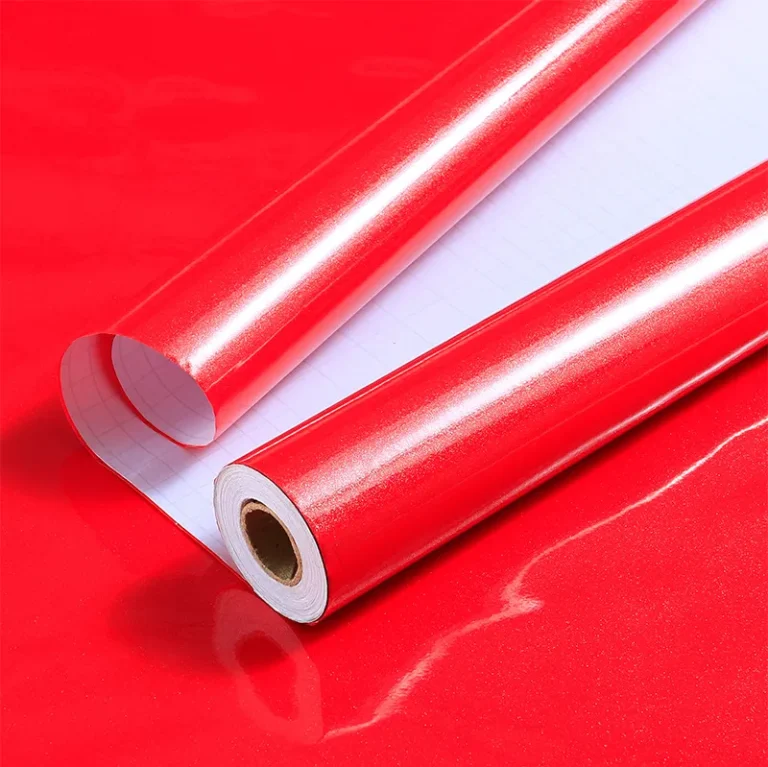
PVC film lamination involves bonding a thin PVC decorative film to a base material using heat, pressure, and adhesive systems. The process can reproduce wood grain, marble, metallic, glossy, or matte effects and often includes protective layers to increase scratch and water resistance. It’s a fast, scalable option for manufacturers and refurbishers looking to combine visual appeal with functional protection.
Calendering and extrusion: PVC films are produced by calendering or extrusion to achieve consistent thickness and texture. Calendering enables glossy, matte, and 3D textures.
Printing and coating: High-resolution printing applies patterns; UV or solvent coatings add abrasion resistance and a final sheen.
Adhesion and bonding: Pressure-sensitive adhesives (PSA), hot-melt adhesives, or water-based adhesives are applied, followed by heat and pressure lamination (thermoforming) or cold lamination depending on substrate sensitivity.
Durability: Laminated PVC films protect surfaces from scratches, stains, and moisture.
Cost-efficiency: PVC film offers an affordable alternative to solid wood, stone, or metal finishes while maintaining visual quality.
Design versatility: From photorealistic wood grain to marble, metal, and 3D silk textures, PVC film supports extensive customization.
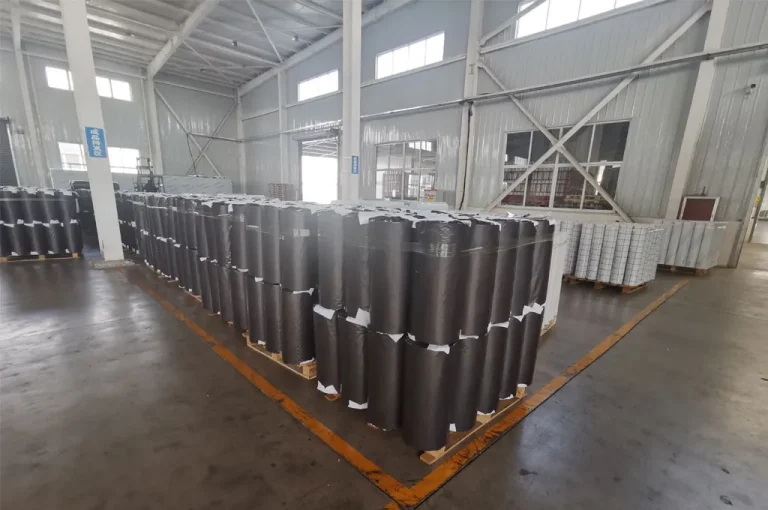
Fast production and refurbishment: Panels can be quickly laminated in continuous lines, ideal for high-volume furniture and interior manufacturing.
Glossy, matte, and satin finishes for visual variety; wood grain, marble, stone, and metallic prints for realistic effect; and specialty films like anti-oil, anti-static, and anti-scratch for functional environments.
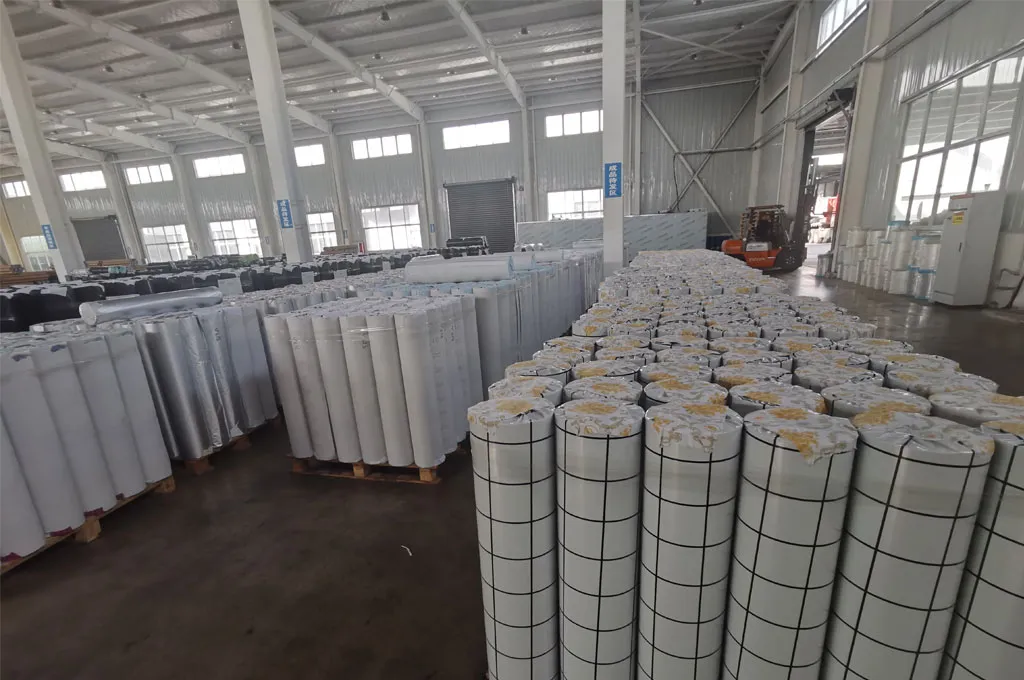
PVC film lamination is used in:
Furniture — cabinet doors, wardrobes, shelving faces.
Interior decoration — wall panels, skirting, ceiling trims.
Kitchen & bathroom — anti-oil and waterproof films for countertops and cabinet surfaces.
Flooring & protective films — temporary protection during transport or permanent decorative floor stickers.
Automotive & signage — interior trim, decals, and advertising displays.
Choose film based on:
| Film Property | Common Options | Typical Use |
|---|---|---|
| Thickness | 35–250 µm | From thin protective layers to robust decorative skins |
| Finish | Gloss / Matte / Silk / 3D | Aesthetic preference and scratch resistance |
| Adhesive | Hot-melt, PSA, water-based | Depends on production line and substrate |
| Specialty | Anti-oil, anti-scratch, flame-retardant | Kitchens, commercial interiors, safety-critical uses |
Ensure surfaces are clean, flat, and dry before lamination. Use controlled temperature and pressure settings to avoid air pockets and delamination. Post-lamination checks should include adhesion peel tests, visual inspection for print alignment, and abrasion resistance testing.
PVC films can be maintained with mild detergents and soft cloths. For sustainability, choose PVC films with lower plasticizer migration and explore recycling routes for laminated panels where separation is feasible. Properly selected and applied films can extend product life and reduce the need for full replacements.
Are PVC films waterproof? Many are water-resistant or waterproof when bonded correctly, making them suitable for kitchens and bathrooms.
Can PVC film mimic natural materials? Yes — modern printing and texture embossing reproduce wood, marble, and metal convincingly at far lower cost.
Is lamination durable for heavy use? With the right protective topcoat and correct adhesive, laminated surfaces can withstand heavy daily use and moderate impact.
For custom sizes, advanced calendering production, and full in-house control from raw material processing to split-packaging, consider contacting Pulivk (Henan Pulivk New Materials Co., Ltd.) via https://pvcfilmtec.com/ for OEM options and reliable lead times.