Address
304 North Cardinal St.
Dorchester Center, MA 02124
Work Hours
Monday to Friday: 7AM - 7PM
Weekend: 10AM - 5PM
Address
304 North Cardinal St.
Dorchester Center, MA 02124
Work Hours
Monday to Friday: 7AM - 7PM
Weekend: 10AM - 5PM


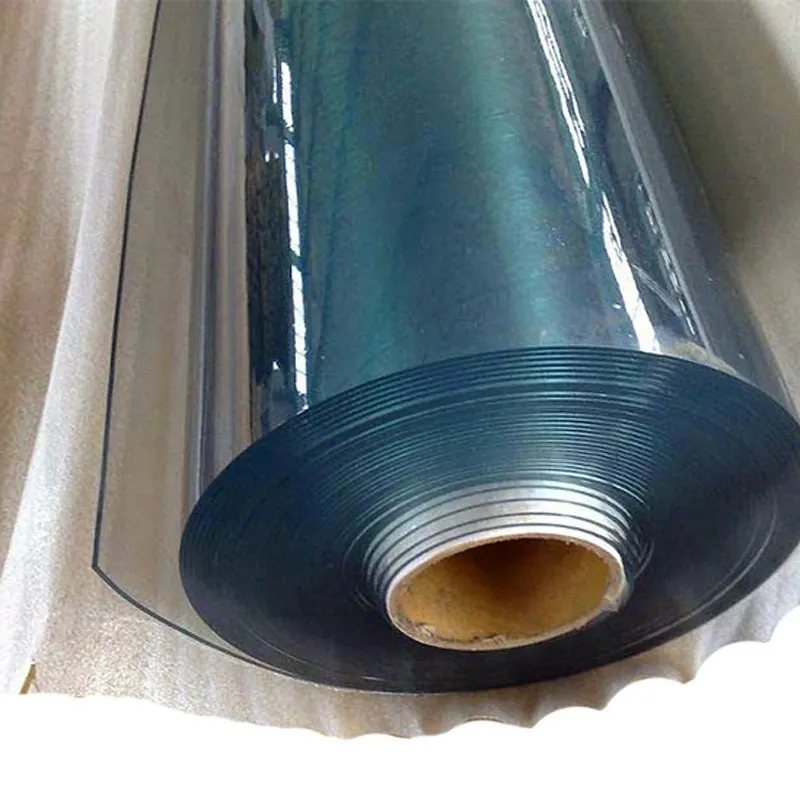
PVC film is a versatile plastic sheet used for decoration, packaging, protection, and industrial applications. Understanding what PVC film is made of—its raw materials, formulation, and production steps—helps buyers, specifiers, and end-users choose the right type for each project. This guide explains composition, common additives, manufacturing methods, typical grades, and practical uses so you can make informed decisions.
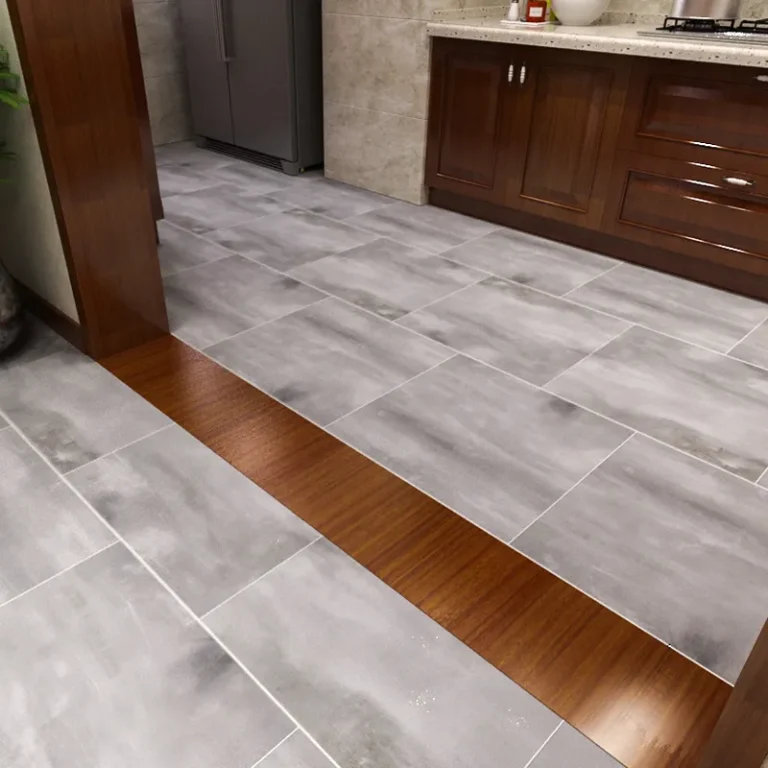
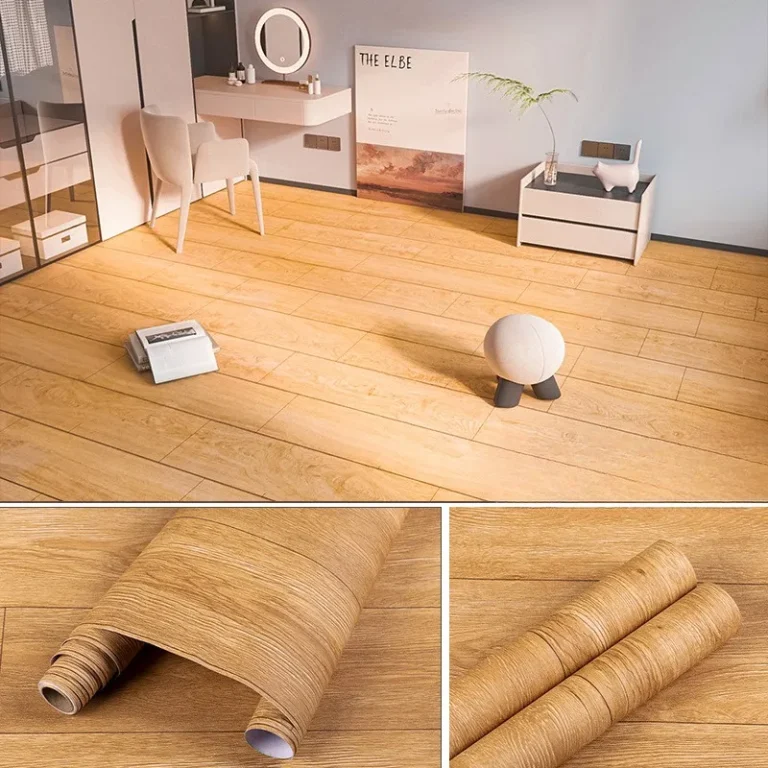
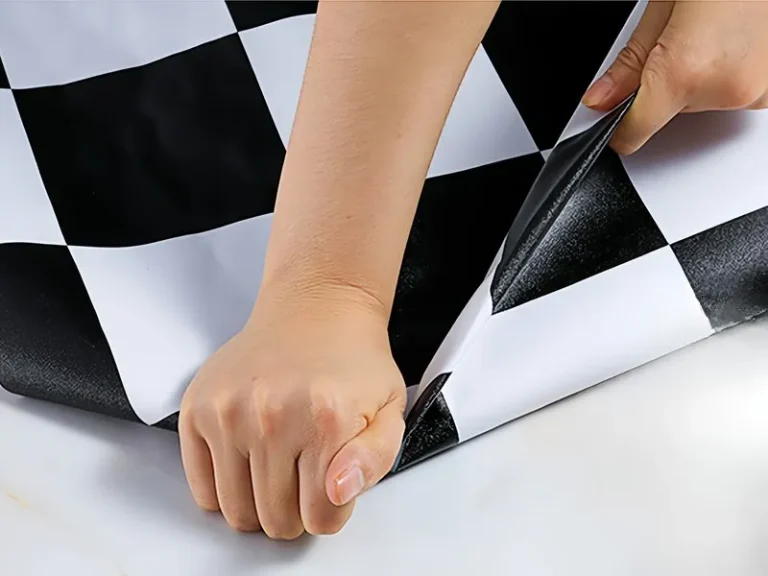
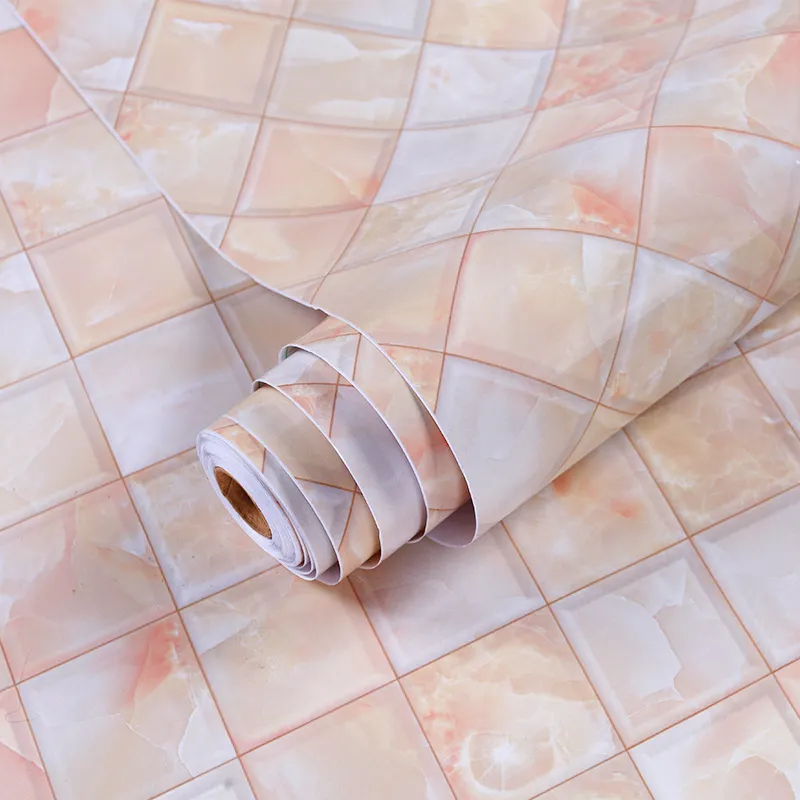
PVC (polyvinyl chloride) film is a thin, flexible sheet produced from the PVC polymer resin and formulated additives. It can be manufactured as single-layer or multi-layer film and finished with glossy, matte, embossed, or textured surfaces. PVC film is widely used for furniture wraps, flooring films, protective covers, labels, and packaging.
The basic composition of most commercial PVC films includes the following components:
Formulations vary widely by application. A typical flexible decorative PVC film might contain:
Production methods depend on desired film type:
After forming, PVC film can be surface-treated, printed with water-based or UV inks, laminated with protective films, and cut or split-packaged to customer lengths. Quality control checks at each stage prevent defects and ensure consistent color and thickness.
PVC film properties are tuned by formulation and process:
PVC film serves many markets due to its adaptability:
PVC production and disposal raise environmental questions. Choose films with lead-free stabilizers and lower-emission plasticizers where possible, and verify recyclability or take-back options for large-volume applications. For food-contact uses, select certified food-grade PVC and request documentation.
| Feature | Flexible Decorative Film | Packaging / Protective Film | Floor / Anti-slip Film |
|---|---|---|---|
| Thickness Range | 80–500 μm | 10–150 μm | 200–800 μm |
| Typical Additives | High plasticizer, pigments | Low odor stabilizers, barrier layers | Anti-slip, wear-resistant additives |
| Key Benefits | Aesthetic finish, embossing | Lightweight, good barrier | Durability, water resistance |
When selecting a PVC film supplier or product, evaluate:
Look for suppliers with full in-house production—from compounding and calendering to printing and split-packaging—so you get consistent quality, faster lead times, and more flexible OEM options. Henan Pulivk New Materials Co., Ltd. provides integrated production lines and export experience to support varied markets.
PVC film itself is water-resistant and often used in wet environments, but the final waterproof performance depends on thickness, seam treatment, and installation.
Some PVC films are recyclable where local facilities accept PVC. Ask your supplier about recyclable grades and take-back programs.
Lifetime depends on exposure to sunlight, abrasion, and chemical contact. Proper stabilizers and surface coatings can extend service life significantly.
Understanding raw materials and manufacturing helps you match PVC film characteristics to your project needs. For tailored specifications, consistent quality, and flexible packaging options, consider suppliers with end-to-end production capabilities and experience serving international markets.