Address
304 North Cardinal St.
Dorchester Center, MA 02124
Work Hours
Monday to Friday: 7AM - 7PM
Weekend: 10AM - 5PM
Address
304 North Cardinal St.
Dorchester Center, MA 02124
Work Hours
Monday to Friday: 7AM - 7PM
Weekend: 10AM - 5PM


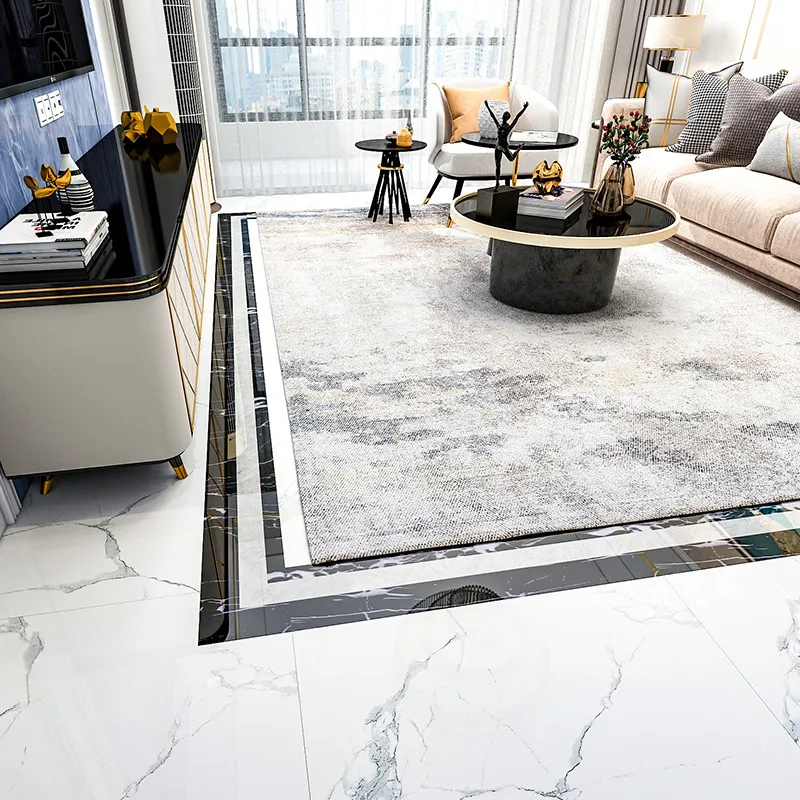
Artificial wood PVC film (often called wood grain PVC decorative film) is one of the most efficient ways to upgrade furniture, cabinets, and interior panels without the cost and maintenance of real veneer. The challenge is not only choosing a pattern you like, but also buying from the right channel—so you get stable color batches, reliable adhesion performance, and consistent thickness from roll to roll.
This guide explains where to purchase artificial wood PVC film, what to check before ordering, and which buying option fits your project—whether you are a furniture factory, cabinet workshop, interior contractor, or a brand building a repeatable supply chain.
Artificial wood PVC film is a decorative PVC layer designed to replicate natural wood grain while adding practical performance: moisture resistance, abrasion protection, easy cleaning, and stable appearance across large production runs. It’s commonly used for MDF/particleboard lamination, profile wrapping, door skins, wall panels, and modular cabinet surfaces.
Key value points to look for:
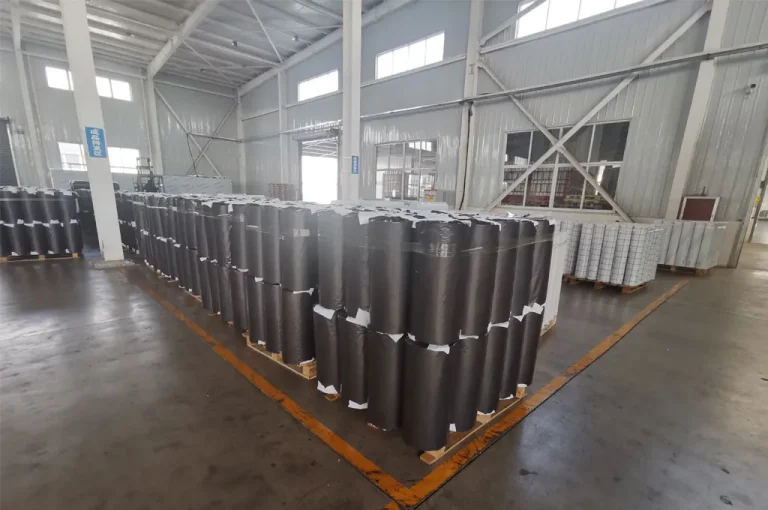
If you need reliable performance for furniture, cabinet doors, and interior panels—especially if you run repeated production—buying directly from a film manufacturer is usually the best option. A manufacturer with integrated production (calendering, printing, slitting, and packaging) can control the full process, which typically means more stable thickness, cleaner printing, and better batch traceability.
Manufacturers also support OEM/ODM customization—patterns, thickness, width, roll length, surface effects (matte/glossy/embossed), and packaging. This matters when you need the same “oak tone” to match a cabinet series for months, or when a distributor’s spot inventory can’t guarantee repeat colors.
Procurement tip:
Ask the manufacturer whether they produce the base film and printing in-house and whether they can provide batch records (thickness, adhesion, gloss, color reference).
Distributors are ideal when you need smaller quantities, quick replenishment, or a variety of wood grains for mixed projects. Many keep popular patterns in stock for furniture refacing, cabinet renovation, shopfitting, and interior finishing.
The trade-off is that distributors may change upstream supply over time. If color and texture must remain identical for a product line, confirm whether they can lock the same source and batch policy for you.
Local building material centers can be useful for urgent needs—small projects, prototypes, or repair work. You can physically inspect color and surface feel on the spot. However, selection can be limited, technical data may be incomplete, and long-term consistency is harder to guarantee.
Online sourcing can help you compare suppliers quickly, but artificial wood PVC film is a “performance + appearance” product. Photos rarely match real surface effects (especially embossing depth and gloss), and “wood tone” can shift under different lighting. Use online platforms to shortlist, then move to samples and specification verification before committing to production quantities.
Furniture production needs stable supply and stable processing. If you laminate large boards or wrap profiles daily, you’ll benefit most from working directly with a manufacturer who can standardize your film structure and surface finish.
If you frequently change designs or run mixed SKUs, a distributor can help you source multiple wood grains faster—but confirm batch stability on best sellers.
Cabinets (especially kitchen) face oil fumes, frequent wiping, and potential heat near appliances. For cabinet doors and outer surfaces, look for a film option with appropriate surface durability and stain resistance. For kitchens, it’s also common to pair wood-look cabinet films with functional films for protected zones.
For example, if you need protective solutions near cooking areas, consider adding specialized materials like
Kitchen Anti-oil Film
in high-exposure sections while keeping the main cabinet body in wood grain.
Interior panels often require consistent tone across large wall areas. If the project involves multiple rooms or phased installation, you’ll want a supplier that can reserve matching batches or provide controlled reprints.
If your design includes contrast elements (e.g., wood wall + stone accent), you may also source complementary decorative films such as
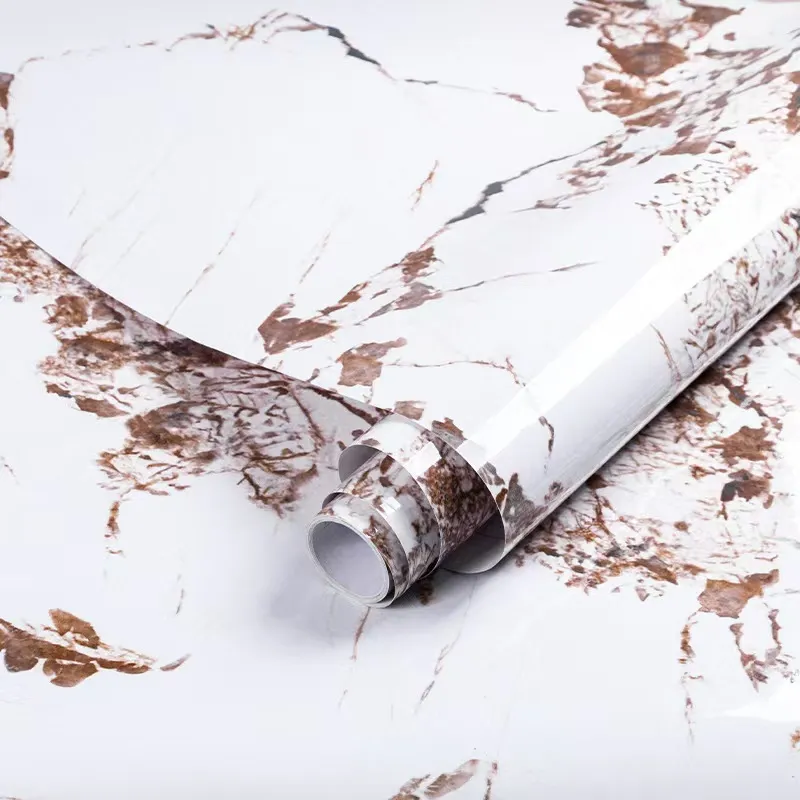
Marble Film
for feature zones—keeping installation methods consistent while varying the look.
Confirm your target thickness range and tolerance, plus roll width and length that match your laminator or wrapper. If you are doing profile wrapping, width planning can reduce waste and improve yield. For large furniture boards, stable thickness helps maintain uniform pressing results and reduces surface defects.
A wood design can look dramatically different depending on finish. Matte finishes reduce glare and read more “natural,” while glossy finishes emphasize grain contrast. Embossing (including 3D textures) adds tactile realism, which is especially popular on cabinet doors and decorative panels.
If you want a premium tactile look:
compare standard wood grain against textured options and confirm whether the embossing aligns with the printed grain (register emboss).
You can review typical decorative structures and base film stability via a calendering route like
Calendered Film
(commonly used as a stable foundation for decorative printing and converting).
The “best” PVC film depends on how you apply it. A film designed for flat lamination may behave differently in vacuum pressing or profile wrapping. Always tell the supplier your process, substrate (MDF, plywood, PVC board, aluminum, etc.), adhesive type, and typical pressing temperature/time. Then request samples for an actual line test—not just hand evaluation.
Artificial wood tones are sensitive to lighting. A warm oak can appear yellow under warm LEDs and cooler under daylight. When approving a sample, check it under the lighting used in your showroom or project site. If you are producing furniture sets, request a master sample and define an acceptable tolerance for repeat orders.
For indoor use—especially cabinets and residential interiors—request documentation related to safety and environmental compliance. Many professional suppliers can support standards such as ISO management systems and chemical compliance frameworks (e.g., REACH/RoHS). Also confirm whether inks are designed for indoor decorative use and whether the film is free from restricted substances according to your market requirements.
Start with suppliers that clearly state product categories, production ability, and customization scope. A broad portfolio (wood grain, matte/gloss, embossing, functional coatings, self-adhesive options) often indicates stronger converting experience for furniture and interior applications.
If you need a ready-to-spec wood pattern, browse a dedicated product page like
Wood Grain Film
and then narrow down by finish, width, and recommended application.
Ask for samples that match your actual production conditions: same substrate, same adhesive, same press settings. Evaluate:
PVC decorative film is vulnerable to dust, compression marks, and edge damage. Professional suppliers typically pack each roll with protective PE film or kraft paper, label specifications clearly, and prepare export-ready packaging to reduce moisture and transit risk.
Important:
If your project schedule is tight, confirm lead time for both sampling and mass production, plus whether the supplier can reserve capacity for repeat orders.
For ongoing sourcing, it’s helpful to use a supplier’s official channels for documentation and updates, such as
Contact
and technical information resources like
Knowledge.
Choose wood grain patterns with a finish that matches the design style: matte for modern minimal and Scandinavian looks, deeper emboss for classic “real wood” feel. Prioritize stain resistance and consistent gloss level across panels to avoid visible mismatches in a full kitchen set.
For larger surfaces, focus on color stability and abrasion resistance. In office environments, cleaning frequency can be higher, so a surface that resists fingerprints and minor scuffs improves long-term appearance. If you combine wood with high-gloss doors, keep gloss levels consistent across suppliers to prevent “patchwork” reflections.
Wall panels often require large-batch uniformity and low maintenance. If you’re building a hospitality or retail interior, consider requesting an approved master sample plus a color control note for future reorders. For projects that need premium tactile design, textured decorative options can elevate the perceived value without changing installation workflow.
Artificial wood PVC film pricing varies based on film structure, thickness, printing complexity, embossing, surface treatment, and QC requirements. The lowest price is rarely the lowest total cost—because failures show up as rework, returns, customer complaints, or warranty replacements.
Value-first approach:
Share film type (wood grain), thickness, width, roll length, finish (matte/gloss/embossed), application method (lamination/vacuum/wrapping), quantity, and your target delivery time. If you have a reference sample or Pantone-like color target, include that as well.
Many suppliers support trial orders, but MOQ depends on pattern, structure, and whether customization is required. For best results, request a sample first, then confirm trial MOQ based on your chosen design and width.
Approve a master sample, confirm the supplier’s batch control process, and request consistent printing/embossing parameters. For large projects, consider ordering enough quantity at once or reserving a matched batch for phased delivery.
Yes, when you choose the correct surface performance and installation method. Kitchens need stain resistance and easy cleaning; bathrooms need moisture resilience and proper edge sealing/installation to prevent water ingress at joints.
Buying based only on photos. Always request physical samples and run a real process test on your substrate and equipment to confirm appearance, adhesion, and durability before placing a bulk order.