Address
304 North Cardinal St.
Dorchester Center, MA 02124
Work Hours
Monday to Friday: 7AM - 7PM
Weekend: 10AM - 5PM
Address
304 North Cardinal St.
Dorchester Center, MA 02124
Work Hours
Monday to Friday: 7AM - 7PM
Weekend: 10AM - 5PM


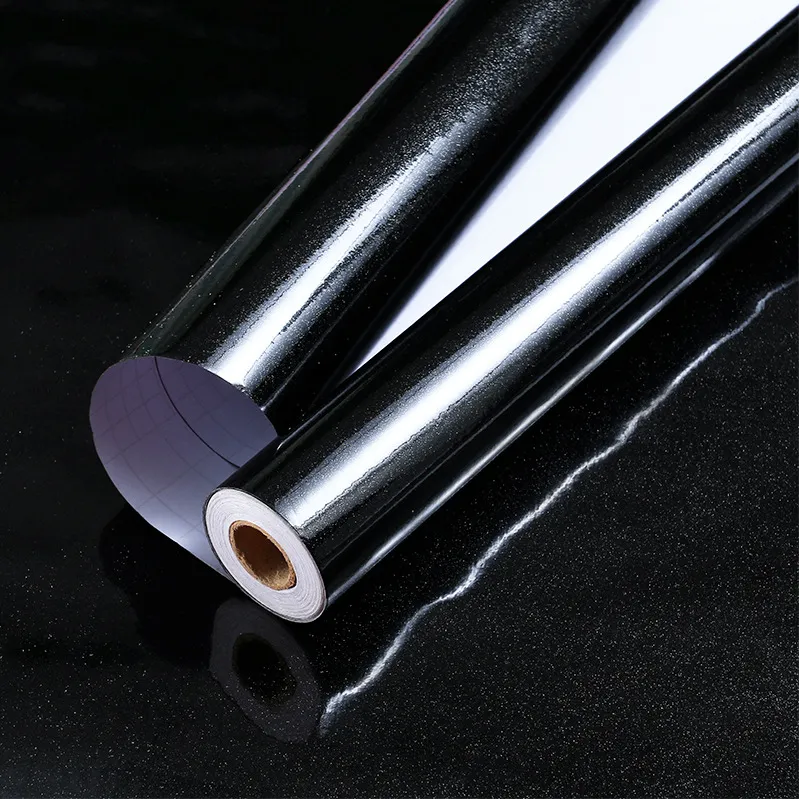
PVC film can sometimes give off a noticeable smell — a sharp, chemical or “new plastic” odor that becomes stronger under certain conditions. Understanding why the odor appears and how to reduce it helps homeowners, contractors, and product buyers make safer, more comfortable choices when installing or storing PVC-based materials.
Several factors can make PVC film emit a stronger smell. The odor usually comes from volatile compounds released by the film or coatings during production, storage, or after installation. Key reasons include:
Plasticizers (often phthalates or alternative esters) and other additives used to make PVC flexible can slowly evaporate or off-gas, producing a noticeable scent — especially in warm or poorly ventilated spaces.
Some printed or lacquered PVC films use inks, adhesives, or topcoats that need time to cure. While curing, solvents and low-molecular-weight compounds evaporate and can intensify the smell.
Higher temperatures and sunlight accelerate off-gassing. A film stored in a hot warehouse, shipped in summer, or left in direct sun after installation will often have a stronger initial odor.
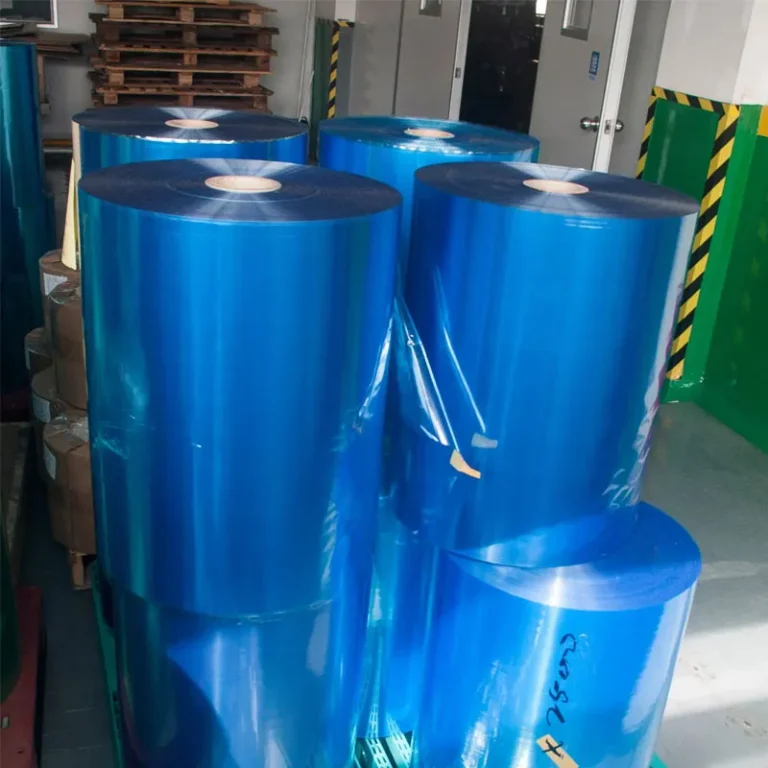
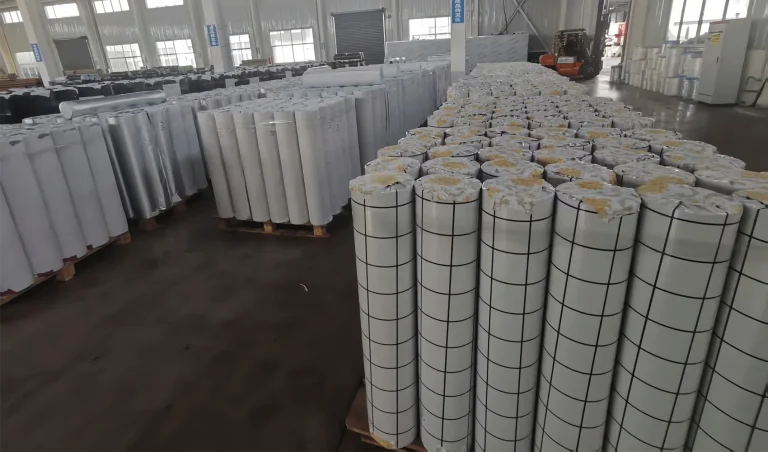
If rolls are tightly wrapped with non-breathable packaging and stored in humid or warm conditions, VOCs can concentrate inside the roll and release suddenly when unwrapped.
Typical compounds that contribute to PVC smell include solvent residues, low molecular weight plasticizers, stabilizer-related compounds, and trace monomers. Although most modern PVC films are formulated to meet safety limits, the scent can remain unpleasant to sensitive individuals.
| Cause | How It Produces Odor | Practical Mitigation |
|---|---|---|
| Plasticizers & Additives | Slow off-gassing of low-boiling components | Air out rolls, use low-VOC formulations |
| Solvent-based Coatings | Evaporation during curing | Allow full cure time in ventilated area |
| Heat / Sunlight | Speeds up chemical release | Store cool, avoid direct sunlight |
| Tight Packaging | Traps VOCs inside rolls | Unwrap outdoors, ventilate before indoor use |
Follow these practical, commonly used methods to minimize odor from PVC films before and after installation:
A simple, highly effective approach is to air out the material outdoors or in a well-ventilated area. Lay rolls flat or hang pieces for 24–72 hours depending on intensity. Cross-ventilation speeds dissipation of VOCs.
Cool, dry storage reduces off-gassing. Avoid placing newly unwrapped film in hot vehicles or sun-facing rooms until the smell dissipates.
Baking soda, activated charcoal bags, or commercial odor absorbers placed near installed film can help trap airborne odor molecules. Replace absorbents regularly until the smell is gone.
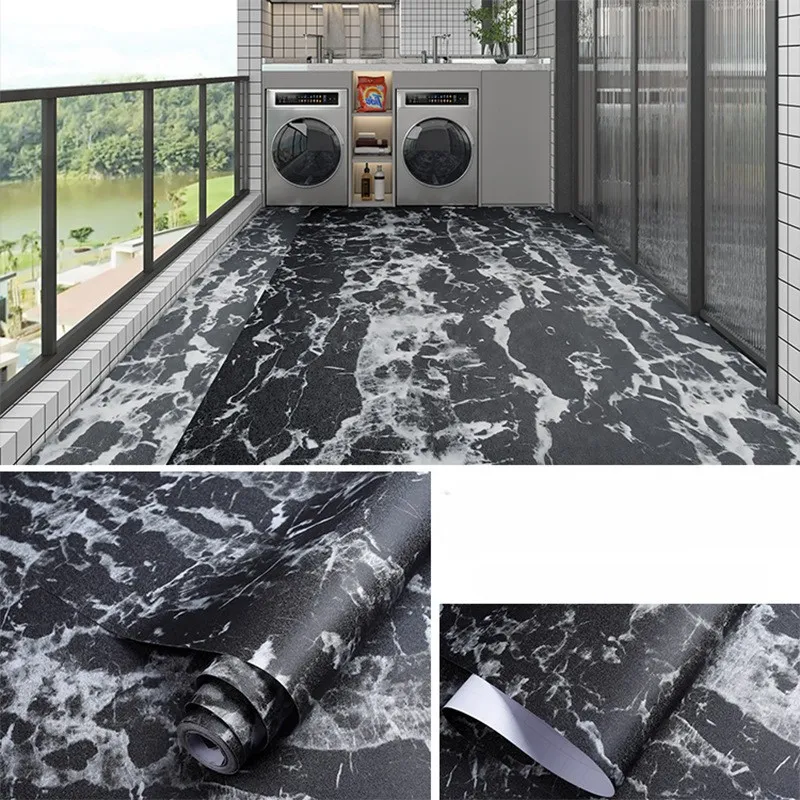
If the film is printed or coated, follow manufacturer cure times. Avoid sealing rooms or covering the surface with non-breathable materials until curing is complete.
When buying film, look for products labeled low-VOC, solvent-free, or compliant with local indoor air guidelines. Trusted suppliers often provide technical data sheets with VOC emissions testing.
– Install during the coolest part of the day and keep windows open for 24–48 hours after installation.
– Avoid installing large areas at once in small rooms; stage work if possible.
– Use water-based adhesives or pressure-sensitive adhesives labeled for indoor use when available.
Q: Is PVC smell dangerous?
A: Most modern PVC films meet safety limits for toxic substances, but strong odors can irritate sensitive people. If anyone experiences headaches, nausea, or breathing difficulty, increase ventilation and remove the film if symptoms persist.
Q: How long does PVC odor last?
A: Odor intensity typically reduces significantly within a few days to weeks depending on ventilation, temperature, and product formulation.
If the smell remains unusually strong after proper airing and recommended cure times, contact the supplier for guidance and safety data sheets. Ask about low-VOC grades or alternative formulations.
Pulivk — Henan Pulivk New Materials Co., Ltd. supplies PVC film with full in-house production and quality control. For product specifics, certifications, and low-odor options, visit: https://pvcfilmtec.com/