Address
304 North Cardinal St.
Dorchester Center, MA 02124
Work Hours
Monday to Friday: 7AM - 7PM
Weekend: 10AM - 5PM
Address
304 North Cardinal St.
Dorchester Center, MA 02124
Work Hours
Monday to Friday: 7AM - 7PM
Weekend: 10AM - 5PM


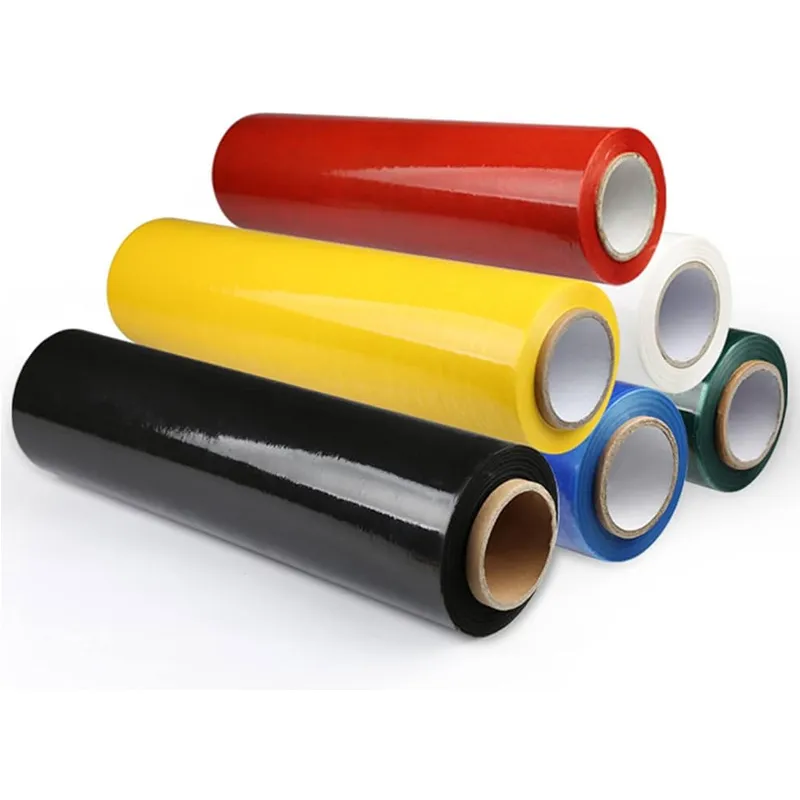
PVC film leaving indentations, marks or sticky residue after installation is a common frustration for installers, manufacturers and DIYers. This guide explains the typical causes, practical prevention tips, and reliable removal methods so you can keep surfaces smooth, clean and professional-looking.
The problem usually comes from a combination of material behavior, environmental conditions and application technique. Indentations are often embossed by pressure, sharp edges or trapped particles; residue results from adhesive breakdown, plasticizer migration, or contaminants left behind when removing protective layers.
Pressure points and tooling marks: Hard rollers, sharp trowels or uneven squeegee pressure can compress the film or underlying substrate and leave impressions.
Surface contamination: Dust, grit, or adhesive beads trapped under the film create localized indentations and can bond, leaving residue.
Temperature & humidity: Cold temperatures make PVC less flexible and more prone to brittle impressions; heat can soften adhesives or cause plasticizer migration that appears as sticky residue.
Poor adhesive compatibility: Low-quality or incompatible adhesives, or adhesives left to age, can transfer to substrates or break down leaving tacky films.
Improper storage & handling: Rolls stored folded, compressed or in fluctuating climates may develop memory marks that show after application.
Incompatible substrates or coatings: Delicate paints, varnishes or untreated wood can react with adhesives or plasticizers, causing residue or impressions.
Clean the substrate thoroughly with a lint-free cloth and a mild cleaner; remove grease, dust and particles before applying film.
Store film rolls flat in a stable, moderate climate (avoid extremes of heat or cold) and allow the material to acclimate before use.
Use a soft rubber roller or felt-wrapped squeegee and apply even pressure—avoid hard metal edges.
Work in recommended temperature ranges (usually 18–25°C / 65–77°F for many PVC films) to keep material flexible and adhesive performing predictably.
Test adhesion and solvent compatibility on a small, hidden area when working with painted or delicate surfaces.
Use primer or adhesion promoter when recommended by your film supplier for difficult substrates.
Indentations: Gentle heat (hair dryer or heat gun on low) can relax the film and reduce shallow impressions. Keep the heat source moving and maintain a safe distance to avoid overheating or discoloration. Use a soft roller to re-smooth while warm.
Surface residue (fresh adhesive): Wipe with isopropyl alcohol (70–90%) on a microfiber cloth. Test first in an inconspicuous spot to ensure no damage to the substrate.
Stubborn adhesive or plasticizer stains: Use a specialized adhesive remover (citrus-based or commercial products like Goo Gone) sparingly, then clean with soap and water. Avoid aggressive solvents on varnished or painted surfaces.
Mechanical removal: For thicker residue, gently lift edges with a plastic scraper—avoid metal scrapers to prevent scratching.
1) Warm the area lightly with a hair dryer to soften the adhesive.
2) Wipe with isopropyl alcohol on a soft cloth—use circular motions and change cloth sides often.
3) For remaining tackiness, apply a small amount of citrus-based adhesive remover, wait 1–2 minutes, then wipe away.
4) Rinse the surface with mild soapy water and dry. Repeat only if necessary and always test compatibility first.
Always prep surfaces: even tiny particles create impressions—use tack cloths for final dust removal.
Roller selection matters: choose soft, wide rollers; pressure should be even—avoid concentrated push points.
Apply film slowly and methodically; use overlap release liners and keep edges aligned to prevent trapped air pockets.
When trimming, use sharp blades and a ruler; drag cuts or repeated blunt scraping will press lines into the film.
Allow the film to fully cure or relax for manufacturer-recommended time before heavy use or exposure to cleaning chemicals.
Choosing the right PVC film grade reduces risk: opt for high-quality calendered or cast films specified for your application. Films with stable plasticizers and good anti-migration properties help prevent long-term residue. When in doubt, request a technical data sheet and adhesion compatibility guide from your supplier.
| Cause | Prevention | Fast Fix |
|---|---|---|
| Tooling pressure / hard rollers | Use soft rubber/felt rollers, even pressure | Light heat + soft roller re-smooth |
| Trapped dust or grit | Thorough cleaning, tack cloth final pass | Lift film, clean substrate, reapply section |
| Adhesive breakdown / plasticizer migration | Select low-migration films; store properly | Solvent wipe (IPA) then citrus remover if needed |
| Temperature extremes | Acclimate film; work in manufacturer temp range | Bring to room temp, then use heat + roller |
Always test cleaning methods on a small, hidden area first. Some paints, lacquers and delicate finishes may soften or discolor with solvents or heat.
Avoid strong solvents like acetone on coated surfaces—these can dissolve finishes even if they remove adhesive.
Wear gloves and ensure good ventilation when using chemical adhesive removers.
If indentations or residue are widespread, reappear after cleaning, or you suspect the film batch has compatibility issues, contact your film supplier for technical support and batch analysis. They can advise on recommended primers, film grades, and storage/handling specifics.
Pulivk — Henan Pulivk New Materials Co., Ltd. (https://pvcfilmtec.com/) provides technical datasheets and custom PVC film solutions to help installers choose the right material and avoid common installation issues.