Address
304 North Cardinal St.
Dorchester Center, MA 02124
Work Hours
Monday to Friday: 7AM - 7PM
Weekend: 10AM - 5PM
Address
304 North Cardinal St.
Dorchester Center, MA 02124
Work Hours
Monday to Friday: 7AM - 7PM
Weekend: 10AM - 5PM


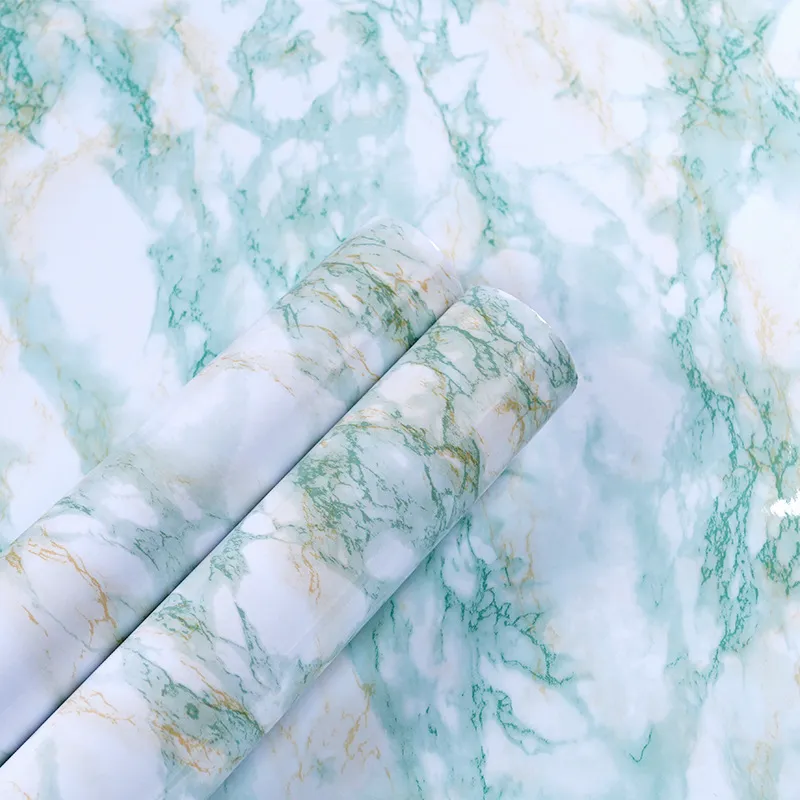
PVC film wrinkling and uneven surfaces are common problems that affect appearance, adhesion performance, and product lifespan. Whether you’re a contractor installing decorative film, a flooring specialist, or a quality-control manager, understanding the root causes and following clear corrective steps will save time and reduce waste.
Temperature and Humidity — PVC is sensitive to temperature changes. Rapid heating (from hot tools or sunlight) or high humidity can cause the film to expand unevenly and form bubbles and wrinkles. Conversely, cold surfaces reduce film flexibility and increase the risk of creasing during application.
Wrong Adhesive or Poor Surface Prep — Using an incompatible adhesive, or applying film to dusty, oily, or uneven substrates, prevents full contact and causes localized lifting. Residual moisture or contaminants underneath the film often shows up later as waves or blisters.
Tension and Roll Memory — Films stored under high tension or wound too tightly develop “roll memory.” When unrolled, the film tends to curl or form edge waves. Calendered and cast films behave differently; each type requires different relaxation time after unrolling.
Substrate Movement and Thermal Expansion — Wood, MDF, or painted metals expand and contract with temperature and humidity. If the film is applied rigidly without allowance for movement, it will buckle and wrinkle over time.
Application Technique — Rapid or uneven squeegeeing, insufficient overlap in seams, or inadequate heat distribution when thermoforming can trap air or create localized stress, producing an uneven finish.
Thickness variations, uneven coatings, and improper surface treatment at the production stage can predispose PVC film to wrinkling. Poor quality control in calendering, coating, or printing may lead to internal stresses that appear later during installation.
| Issue | Likely Cause | Immediate Fix |
|---|---|---|
| Edge waves after application | Roll memory or insufficient edge adhesion | Reheat edges gently, press with roller, allow relaxation time |
| Blisters / bubbles | Trapped air or contaminants | Lift local area, clean substrate, reapply with proper squeegee |
| Wavy seams | Uneven heat or incorrect overlap | Reheat seam uniformly and press; use recommended seam tape |
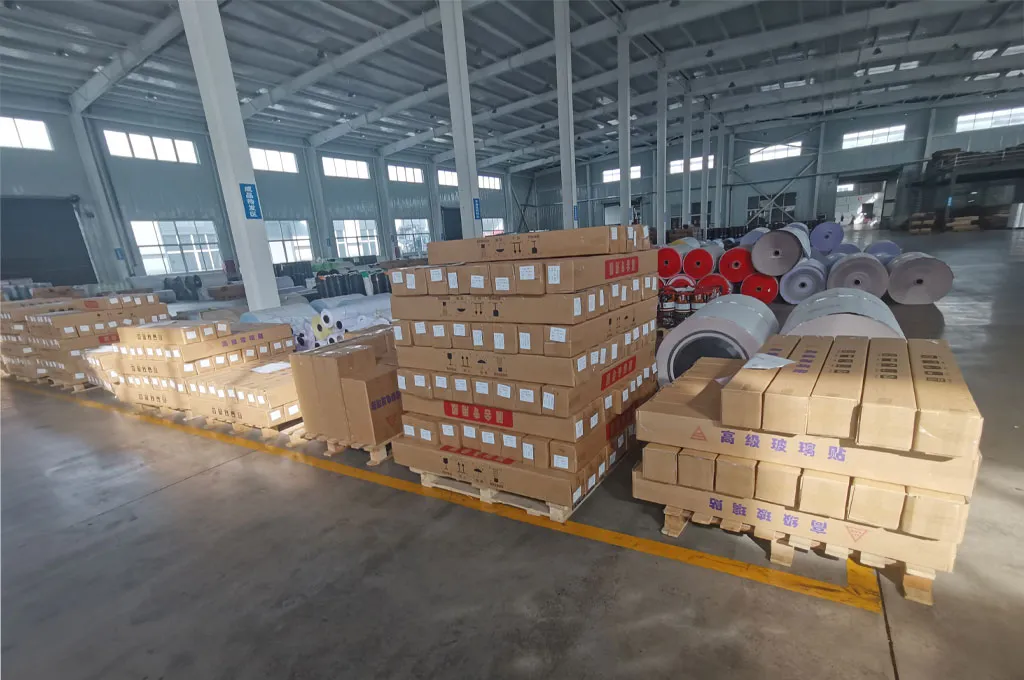
Choosing a high-quality film with uniform thickness and stable coatings reduces the likelihood of wrinkling. Films treated for dimensional stability, or those with built-in antistatic and anti-scratch layers, perform better during installation and service life.
If you repeatedly encounter wrinkles despite following the correct installation and storage procedures, it may indicate production issues such as non-uniform calendering, coating defects, or wrong material formulation. In such cases, collect photos, batch numbers, and environmental details and contact your supplier for technical support.
Pulivk (Henan Pulivk New Materials Co., Ltd.) provides full in-house production—calendering, printing, and split-packaging—and can advise on material grades, pre-conditioning, and recommended adhesives to avoid wrinkling. Visit https://pvcfilmtec.com/ for product specs and technical contacts.
Proper storage, careful surface preparation, the right adhesive system, and controlled installation conditions prevent most PVC film wrinkling and unevenness. When problems persist, manufacturer consultation often reveals whether the issue is material-related or application-related—and helps you implement a lasting fix.