Address
304 North Cardinal St.
Dorchester Center, MA 02124
Work Hours
Monday to Friday: 7AM - 7PM
Weekend: 10AM - 5PM
Address
304 North Cardinal St.
Dorchester Center, MA 02124
Work Hours
Monday to Friday: 7AM - 7PM
Weekend: 10AM - 5PM


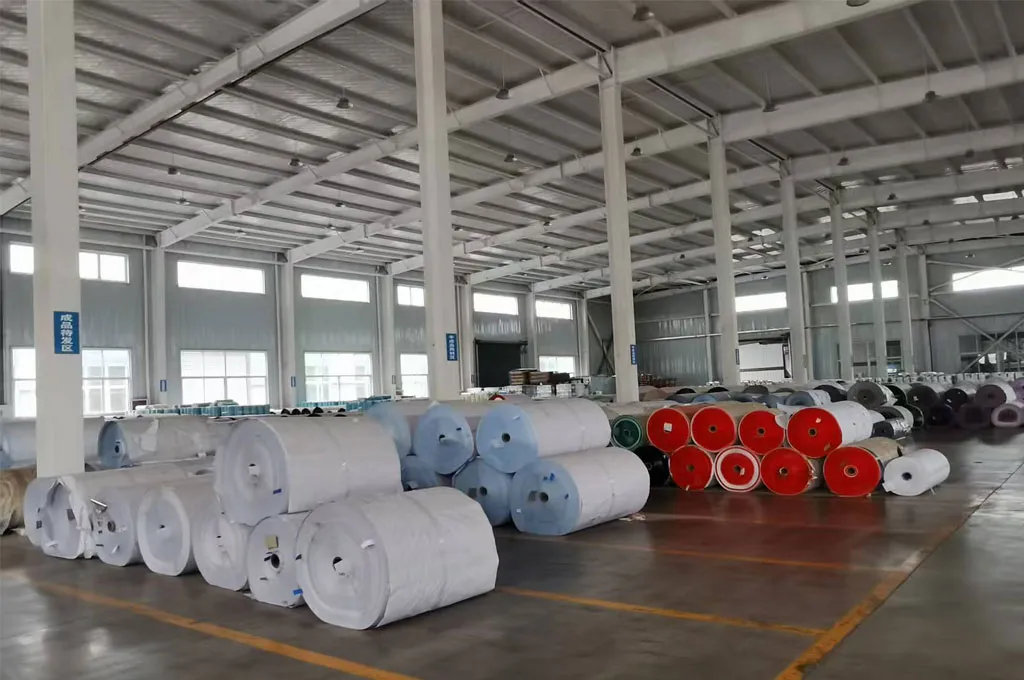
The PVC film industry is grappling with persistent overcapacity despite steady end-market demand in many segments. Excess production capability, rising competition, shifting raw-material dynamics and slower downstream consumption combine to create a persistent supply-demand mismatch that pressures prices, margins and capital returns.
Overcapacity occurs when installed manufacturing capacity exceeds market demand for extended periods. For PVC film makers, this translates into rising inventories, longer receivable cycles, lower factory utilization and aggressive price competition — often forcing smaller or less efficient players to cut output or exit.
High demand history, relatively moderate capital costs for calendering and coating lines and the availability of contract manufacturing encouraged many firms to add capacity quickly. This expansion is often out of phase with real, sustainable demand growth.
End markets such as furniture wrap, floor films, kitchen and bathroom adhesives and general packaging have matured in key regions. Renovation and construction cycles fluctuate, leading to cyclical dips that reveal excess capacity.
Feedstock swings (PVC resin, plasticizers, stabilizers) increase cost pressure and compress margins. When prices fall, players try to protect revenues by expanding volumes, which can exacerbate oversupply.
China-based production grew rapidly to serve both domestic and export markets. Currency and freight shifts, plus changing trade policies, have driven volumes into markets already served by local producers, intensifying competition.
Substitutes like PE, PET or bio-based films and stricter environmental controls reduce some PVC demand segments. Eco-conscious procurement in Europe and some APAC markets favors recyclable alternatives, leaving legacy PVC lines underused.
| Metric | Typical Range / Impact |
|---|---|
| Utilization Rate | 50%–70% in stressed markets |
| Inventory Days | 60–120 days vs. 30–60 healthy benchmark |
| Price Pressure | 5%–20% year-over-year declines in oversupplied windows |
Buyers may enjoy lower prices temporarily, but chronic overcapacity reduces supplier investment in quality improvements and innovation. For lenders and investors, returns fall and default risk rises among smaller producers. Workers face plant shutdowns and layoffs in extreme cases.

Focus on higher-value differentiated products — textured, flame-retardant, antibacterial, or custom-printed films — where competition is lighter and margins improve.
Lean manufacturing, better planning and improved yields reduce unit costs. Idle lines can be consolidated and modernized to cut overhead and improve product consistency.
Industry consolidation reduces redundant capacity. Strategic acquisitions can bring new technology, established customer relationships and geographic reach.
Targeting emerging markets or niche industrial applications with tailored products can absorb excess output and diversify revenue streams.
Developing PVC recycling programs and lower-impact formulations helps meet regulatory and buyer requirements while creating new circular revenue opportunities.
Henan Pulivk New Materials Co., Ltd. demonstrates how integrated operations — calendering, printing and split-packaging lines under one roof — help control quality, shorten lead times and enable quick SKU changes to pursue higher-value niches.
Procurement teams should prioritize suppliers with stable lead times, documented QC practices and the ability to customize. Long-term partnerships and volume-flex agreements can stabilize supplier economics and reduce the boom-bust cycle caused by spot buying.
Overcapacity in the PVC film industry is structural in many regions, driven by synchronous capacity expansion, market maturation, raw-material swings and evolving regulations. Companies that pivot to higher-value products, improve efficiency, and pursue disciplined market strategies are better positioned to survive and thrive when cycles turn.