Address
304 North Cardinal St.
Dorchester Center, MA 02124
Work Hours
Monday to Friday: 7AM - 7PM
Weekend: 10AM - 5PM
Address
304 North Cardinal St.
Dorchester Center, MA 02124
Work Hours
Monday to Friday: 7AM - 7PM
Weekend: 10AM - 5PM


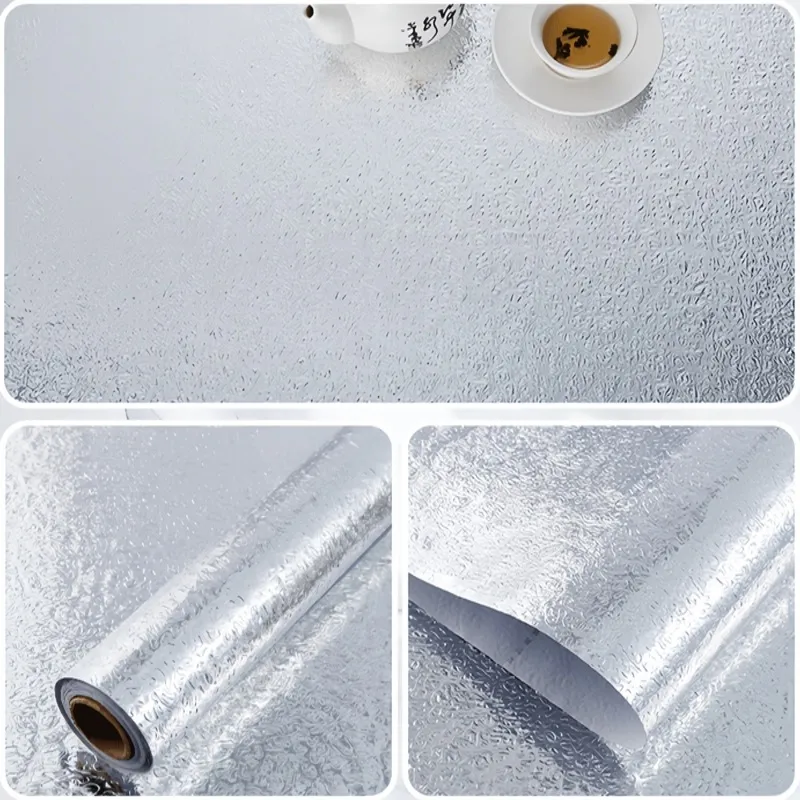
Wood grain PVC film has become a go-to surface solution for furniture and panel manufacturers who want the warmth of timber with more predictable cost, easier maintenance, and consistent appearance. From kitchen cabinets and wardrobes to wall panels, doors, and skirting, this decorative film can replicate oak, walnut, ash, teak, and countless custom patterns—while adding protective performance such as scratch resistance, moisture resistance, and easy cleaning.
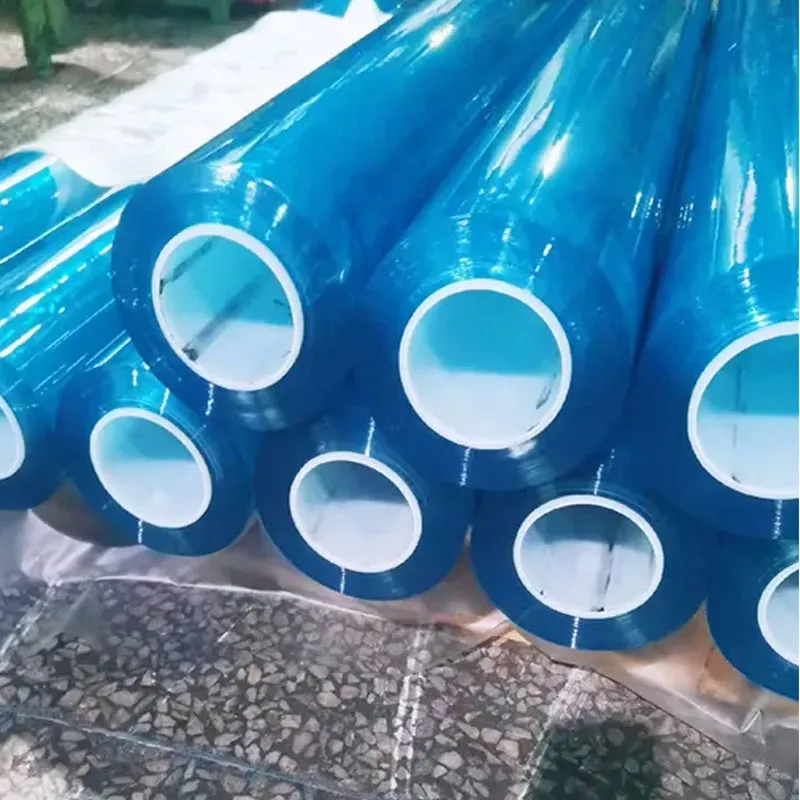
In this guide, you’ll learn what wood grain PVC film is, where it’s used, why it’s popular, and how to choose the right finish (texture, gloss level, thickness, and adhesion system) for your project—whether you’re producing high-volume flat-pack furniture or premium interior decorative panels.
Wood grain PVC film is a thin decorative sheet made from polyvinyl chloride (PVC) with a printed wood pattern and optional embossing to mimic natural grain. It is commonly laminated or wrapped onto substrates such as MDF, particle board, plywood, WPC, or aluminum honeycomb panels. Depending on the application, it can be supplied as calendered film, printed decorative film, or functional films with special surface treatments.
Key idea:
Wood grain PVC film is not “real wood veneer.” It’s a decorative + protective layer engineered for repeatable color, stable supply, and fast processing on production lines.
✔ Consistent aesthetics at scale
Printed patterns and controlled production help ensure batch-to-batch color stability, which is essential for cabinet doors, large panel projects, and modular furniture.
✔ Easy maintenance
Most surfaces are wipe-clean and more forgiving than unfinished wood in kitchens, rentals, offices, and retail fit-outs.
✔ Moisture resistance for everyday environments
Properly laminated film helps protect boards from humidity and occasional splashes, especially when edges and seams are handled correctly.
✔ Fast production and flexible design
You can offer many wood species looks, modern “washed” tones, or deeper rustic grains without changing your substrate supply.
Wood grain PVC film is widely adopted in residential and commercial interiors because it can cover large areas with uniform grain and color. Below are typical use cases and what to consider for each.
These spaces demand surfaces that are easy to clean and visually consistent. Choose a finish that balances realism and practicality: a subtle embossed texture can hide fingerprints better than high gloss, while still delivering a premium wood feel. For cabinet doors, pay close attention to edge-wrapping performance and heat resistance around appliances.
Wardrobes and office furniture often require strong scratch resistance and durable adhesion for frequent handling. A matte or low-sheen film keeps the look calm and modern, especially in large surfaces like sliding doors.
If you also supply glossy wardrobe styles, compare with dedicated glossy solutions such as
Glossy Wardrobe Film
and decide whether a wood-grain-in-gloss effect fits your lineup.
Decorative panels benefit from repeatable patterns and clean installation. For hospitality and retail spaces, selecting a deeper emboss (or 3D tactile effect) can elevate perceived quality under close-up viewing and lighting.
If you need a more fabric-like luxury feel, consider alternatives like
3D Silk Texture Film
for specific zones (e.g., reception backdrops) while keeping wood grain in main areas.
Skirting boards, architraves, and trims see frequent contact from shoes, cleaning tools, and furniture. Here, texture and abrasion resistance matter as much as color. A tailored product line such as
PVC Skirting Film
can be a better match for edge durability and day-to-day wear.
Contemporary interiors often combine warm wood tones with stone patterns for contrast. If you plan to offer coordinated collections, pairing wood grain with
Marble Film
helps designers maintain a consistent “material story” across cabinets, wall panels, and decorative columns.
While buyers often focus on the pattern, performance is largely determined by the manufacturing route and surface structure. Many decorative PVC films are produced through calendering, then printed and optionally embossed, followed by topcoat treatments that influence gloss, scratch resistance, and stain resistance.
Tip for spec sheets:
If you’re building a stable supply for mass production, ask whether the base is calendered and how thickness tolerance is controlled.
Learn more about production-friendly bases like
Calendered Film.
Veneer provides authentic wood fibers and can be refinished, but it also brings natural variability, potential cracking, and higher material cost—especially for consistent large orders. PVC film offers repeatability and a wide range of “designer woods” that may not exist in stable veneer supply.
Melamine-faced boards are highly common and cost-effective for flat panels, but 3D wrapping and deep profiles can be limiting. PVC film is widely used for profile wrapping (depending on thickness and flexibility) and can provide a softer touch with embossed grain.
Painted furniture can be premium, but it requires controlled environments, longer cycle time, and careful handling. PVC film reduces finishing steps and can deliver a more uniform look with less labor, while offering functional coatings such as anti-scratch or stain-resistant layers.
Choosing the right finish is about matching visual goals, processing method, and real-world use. Use the checklist below to reduce sampling rounds and avoid common mismatch issues.
• Matte / super-matte: hides fingerprints, feels modern, great for large wardrobe doors and wall panels.
• Satin / semi-matte: balanced look for kitchens and office furniture; easier maintenance than deep matte.
• Gloss: visually striking but shows micro-scratches and fingerprints more easily; best for controlled environments or design accents.
Embossing is the “feel” of the wood. The most premium look comes when the texture aligns with the printed pattern (often called registered embossing). If your product is positioned as mid-range, a standard emboss can still look excellent and may reduce cost.
Thickness impacts rigidity, wrapping ability, and perceived quality. Thicker films can improve durability but may require more optimized heating/forming settings for profile wrapping. Thinner films can be easier to process at speed but may be less forgiving on imperfect substrates.
Practical rule:
For flat lamination, prioritize surface durability + adhesion. For wrapped edges and profiles, prioritize thermoform behavior and crack-free bending.
Different factories use different lamination routes: hot-melt PUR, solvent-based adhesives, water-based systems, or vacuum membrane pressing. The best film choice depends on your equipment and cycle time. Always test with your actual substrate and process conditions, not just “hand-feel” samples.
For kitchens, laundries, clinics, and rental properties, film surface performance matters as much as pattern. Ask for test data or verification on:
abrasion/scratch resistance, stain resistance,
heat resistance, and resistance to common household chemicals.
If you sell complete furniture systems (kitchens + wardrobes + wall panels), build a coordinated palette: one light wood, one medium natural wood, one dark walnut tone, and one “designer” option (smoked, weathered, or linear grain). This reduces SKU chaos while giving designers enough range.
PVC film will reveal what’s underneath—dust, board swelling, glue lumps, or sanding marks can telegraph through, especially on matte finishes. Keep boards dry, stable, and clean before lamination, and verify that edges are properly sealed if the environment is humid.
Overheating can distort print or create gloss changes; underheating can cause poor conformity on corners. Document your best settings per film type and train operators to control variation. For profile wrapping, corner radii and machining consistency often matter more than people expect.
⚑ Quality checkpoint list:
• No edge lift after 24–72 hours conditioning
• No whitening or cracking on bent corners
• Stable color under showroom lighting and natural light
• Consistent gloss across batches and across roll length
Demand trends vary by market, but a few directions are consistently popular for furniture and interior panels:
• Light natural oaks: Scandinavian-inspired, brightening small apartments and offices.
• Warm walnuts: premium feel without being too dark; strong for hospitality and executive offices.
• Linear grains: modern minimalist look for wall panels and tall cabinet doors.
• Deep embossed rustic wood: boutique retail and feature walls where touch and realism matter.
For indoor furniture and panels, safety and compliance are increasingly important. Ask whether the film is produced with environment-friendly inks, and request documentation for standards relevant to your market (such as REACH, RoHS, and other third-party test reports). If the film is intended for frequent contact surfaces, you may also need additional performance or migration testing depending on local regulations and end-use.
Sampling is where many projects lose weeks. A structured approach helps you confirm appearance, processing, and durability without endless back-and-forth.
Provide reference photos, desired undertone (yellow/red/neutral), and the intended lighting environment (showroom LEDs vs. warm residential lighting). Wood patterns can shift dramatically under different color temperatures.
Always laminate onto the exact board type and thickness you will use in production. MDF density, surface primer, and moisture content can change adhesion and final appearance.
Run quick internal tests: wipe staining (coffee/tea/oil), scratch checks, heat exposure near appliance zones, and edge-peel observation after conditioning. Document results so the chosen film can be re-ordered without ambiguity.
Yes, it’s widely used for cabinets and panels in moisture-prone areas. Choose a surface with good stain resistance and ensure proper lamination and edge sealing to reduce water ingress.
Matte and satin finishes typically hide fingerprints better than gloss. A light emboss can further improve day-to-day appearance on high-touch doors.
Many types can, but you must match the film’s thickness and thermoform behavior to your wrapping process. Always test corner performance to avoid whitening, cracking, or edge lift.
Approve a master sample, request batch traceability, and confirm your supplier’s QC controls for thickness and printing. For large programs, reserve stock or define color tolerance targets in writing.
Provide the pattern/finish preference, thickness, width, roll length, target application (flat lamination or wrapping), substrate type, and estimated order quantity. This helps the supplier recommend the most suitable specification quickly.