Address
304 North Cardinal St.
Dorchester Center, MA 02124
Work Hours
Monday to Friday: 7AM - 7PM
Weekend: 10AM - 5PM
Address
304 North Cardinal St.
Dorchester Center, MA 02124
Work Hours
Monday to Friday: 7AM - 7PM
Weekend: 10AM - 5PM


 ByPulivk
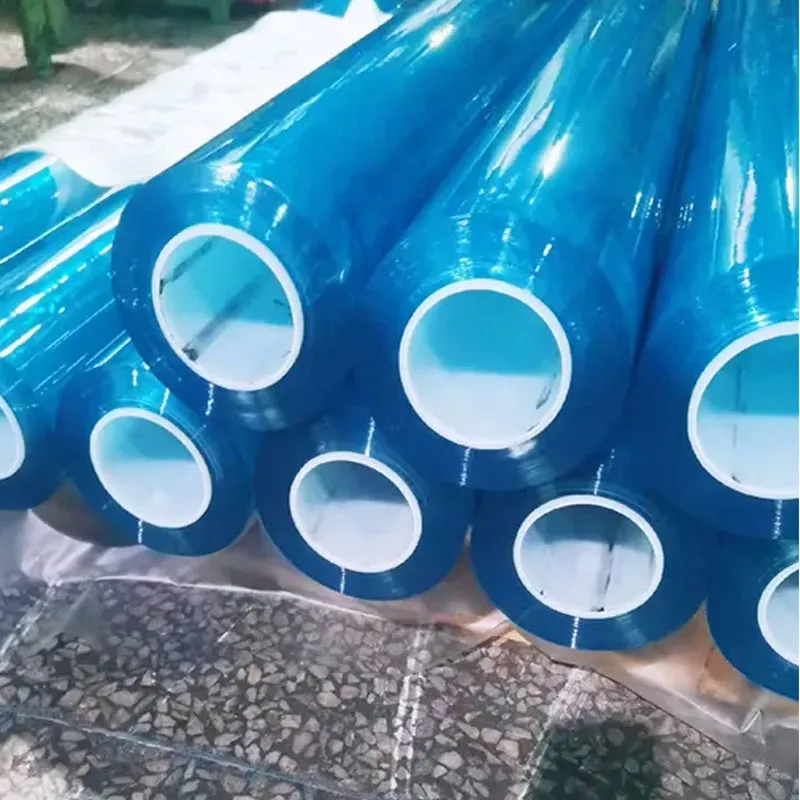
Burundi’s warm equatorial climate, mixed urban housing and growing energy costs make simple, low-cost cooling solutions essential. Heat insulation PVC film for windows is an affordable way to reduce indoor temperatures, protect furnishings from UV damage, and cut energy use — especially useful for households, small businesses and lodges across Bujumbura and the highland regions.
Heat insulation PVC film is a thin, durable layer applied to glass that reflects and absorbs solar heat while allowing natural light. For Burundian homes and commercial buildings it offers:
Lower indoor temperatures — reduces daytime heat gain so rooms stay cooler without running fans or generators as much.
UV protection — blocks fading and sun damage to furnishings, fabrics and electronics commonly used in local households.
Privacy & glare control — improves comfort for offices, guesthouses and street-facing shops.
Easy retrofit — works on single-pane and double-pane windows typical in both urban and rural buildings.
Cost-effective — lower upfront cost than replacing windows or installing AC; quick installation and measurable energy savings.
The following table summarizes typical performance attributes you can expect from quality heat insulation PVC films. Use these specs when comparing products for climate and window type in Burundi.
| Feature | Typical Range | Benefit |
|---|---|---|
| Thickness | 50–200 μm | Durability vs. flexibility for different window frames |
| Solar Heat Rejection | 30%–70% | Lower indoor cooling load |
| Visible Light Transmission | 20%–80% | Balance between daylight and glare control |
| UV Rejection | Up to 99% | Protects fabrics and interiors |
| Lifespan | 5–12 years | Long-term savings vs. repainting or window replacement |
Many buildings in Burundi feature aluminum or wooden frames with single-pane glass — ideal targets for retrofit film. Follow these guidelines for best results:
Clean glass thoroughly before application: dust and residues from rural roads can reduce adhesion.
Choose film transparency based on room use: higher transmission for living rooms, darker options for bedrooms and offices to cut glare.
Consider professional installation for large panes or commercial sites; small households can use DIY kits and clear instructions.
In rainy season, ensure windows are sealed correctly so moisture does not get trapped between film and glass.
Heat insulation PVC film is one of the most affordable energy-efficiency upgrades. Typical results in warm climates show reduction in cooling-related energy use of 15%–35%. For many Burundian households that rely on a mix of electricity and generator power, this translates to noticeable monthly savings. Payback periods commonly range from several months to a few years depending on local energy prices and how often cooling is used.
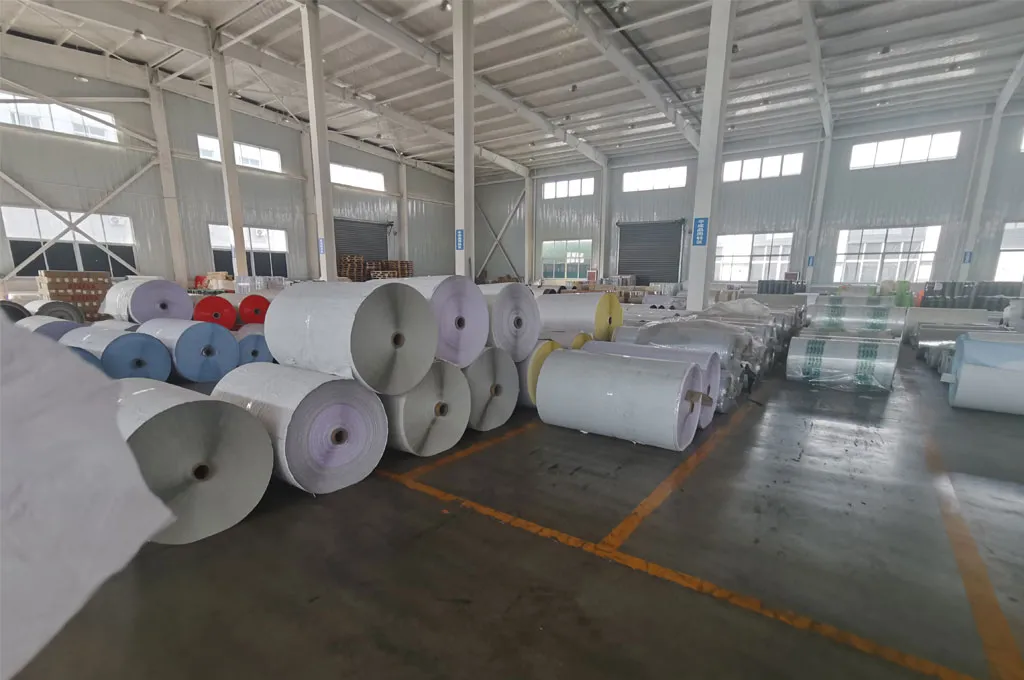
If you need tailored sizes, prints or private-label options, consider manufacturers that control production end-to-end to ensure consistent quality and supply stability. Pulivk offers full in-house production and flexible OEM services, backed by modern calendering and printing lines for reliable lead times and product consistency. Visit their site for product options and sample requests: https://pvcfilmtec.com/
For Burundi homeowners, guesthouse owners and local contractors, heat insulation PVC film is an accessible way to improve comfort, reduce glare and lower energy spending without major renovations. Evaluate solar rejection, visible light needs and expected lifespan when choosing a film, and you’ll find an affordable, fast retrofit that makes indoor life cooler and more comfortable.