Address
304 North Cardinal St.
Dorchester Center, MA 02124
Work Hours
Monday to Friday: 7AM - 7PM
Weekend: 10AM - 5PM
Address
304 North Cardinal St.
Dorchester Center, MA 02124
Work Hours
Monday to Friday: 7AM - 7PM
Weekend: 10AM - 5PM


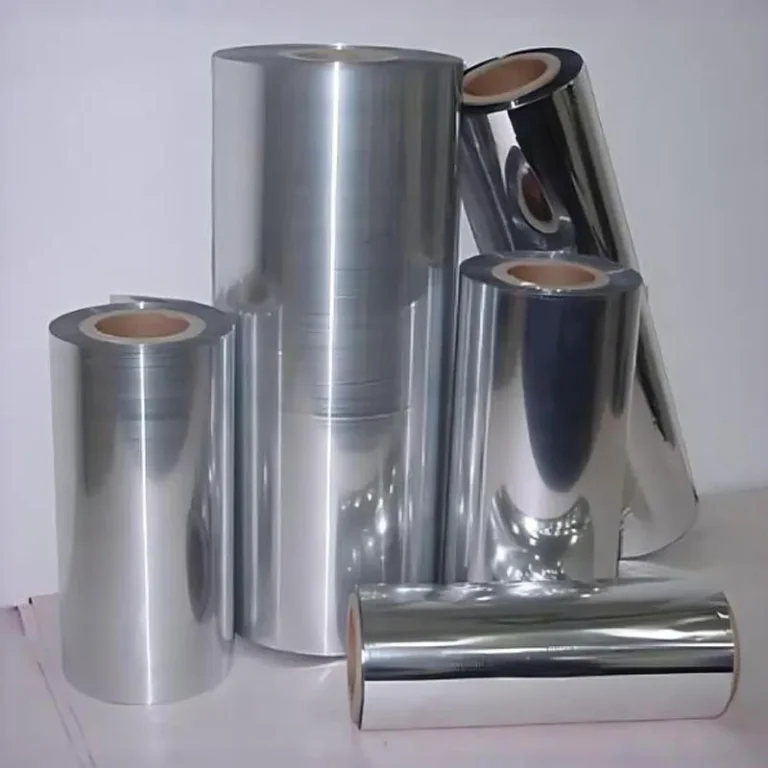
Industrial PVC film is a versatile, cost-effective material widely used across American industries—from packaging and construction to automotive and medical applications. This guide explains common uses, technical benefits, and current U.S. market trends so purchasing managers, contractors, and product designers can make informed decisions.
Durability, customization, and affordability make PVC film a go-to choice for companies serving U.S. consumers and industrial clients. American manufacturers rely on PVC film for protective overlays, decorative finishes, temporary protection during construction, and as a primary material for flexible packaging tailored to e-commerce shipping needs.
Packaging & logistics: PVC films are used for blister packs, shrink wraps, and protective roll stock—popular with food packers (FDA-compliant grades) and retailers fulfilling nationwide e-commerce orders.
Construction & renovation: Floor protection films, skirting membranes, and decorative architectural films help contractors protect surfaces and deliver aesthetic finishes rapidly on commercial and residential projects.
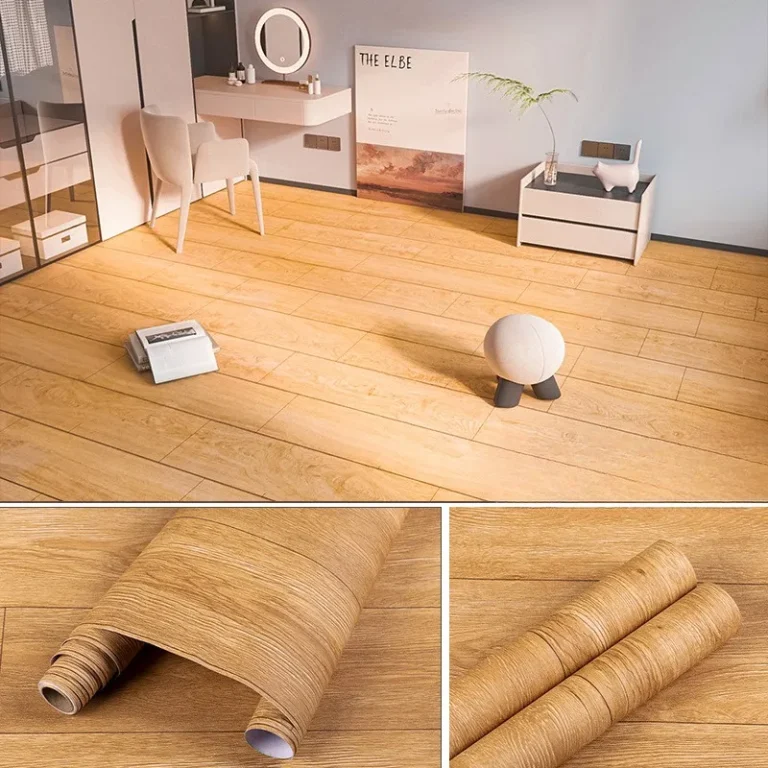
Interior design & furniture: Wood-grain, marble, and glossy furniture films are used by cabinet makers and retailers to achieve premium looks at lower cost and shorter lead times than natural materials.
Automotive & industrial components: Anti-scratch overlays, protective transport films, and printed advertising wraps are common in auto manufacturing and aftermarket services.
Medical & food-contact uses: Antistatic, antibacterial, and food-safe PVC grades meet stringent U.S. standards when specified correctly for packaging and sterile barrier applications.
| Application | Typical Gauge (µm) | Common Finish |
|---|---|---|
| Protective floor film | 50–200 | Matte / Anti-slip |
| Decorative furniture film | 80–250 | Glossy / Wood grain |
| Food packaging (FDA-grade) | 20–100 | Transparent / Printed |
| Auto protective & transport film | 40–150 | Anti-scratch / Adhesive |
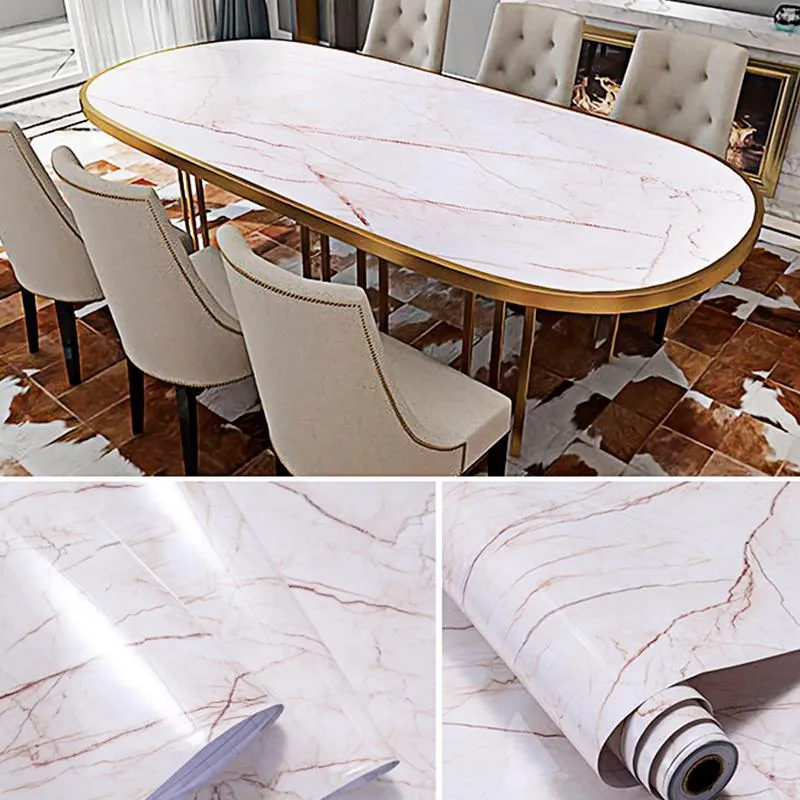
Cost efficiency: PVC film offers a lower-cost alternative to solid surfaces and thicker laminates, enabling price-sensitive U.S. projects to hit budget targets without sacrificing appearance.
Rapid customization: Wide choices in prints, finishes, gauges, and split-packaging options support private label brands, regional distributors, and OEMs requiring short runs or mixed orders.
Protection & performance: Many grades include UV resistance, oil and water repellency, anti-scratch coatings, and antistatic properties—features valued by construction crews, installers, and manufacturers in varied U.S. climates.
Sustainability and recycling: U.S. buyers increasingly request lower-VOC formulations and recyclable or easily separable film laminates. While PVC has recycling challenges, innovations in collection and reuse are emerging among packaging supply chains.
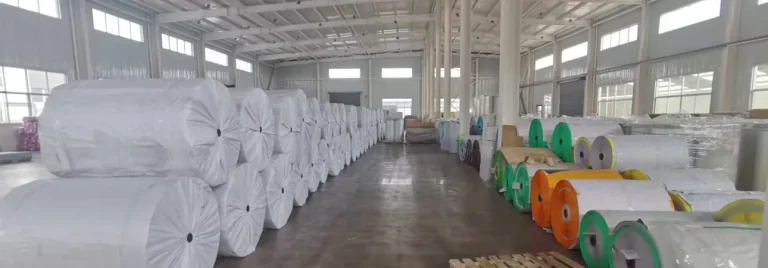
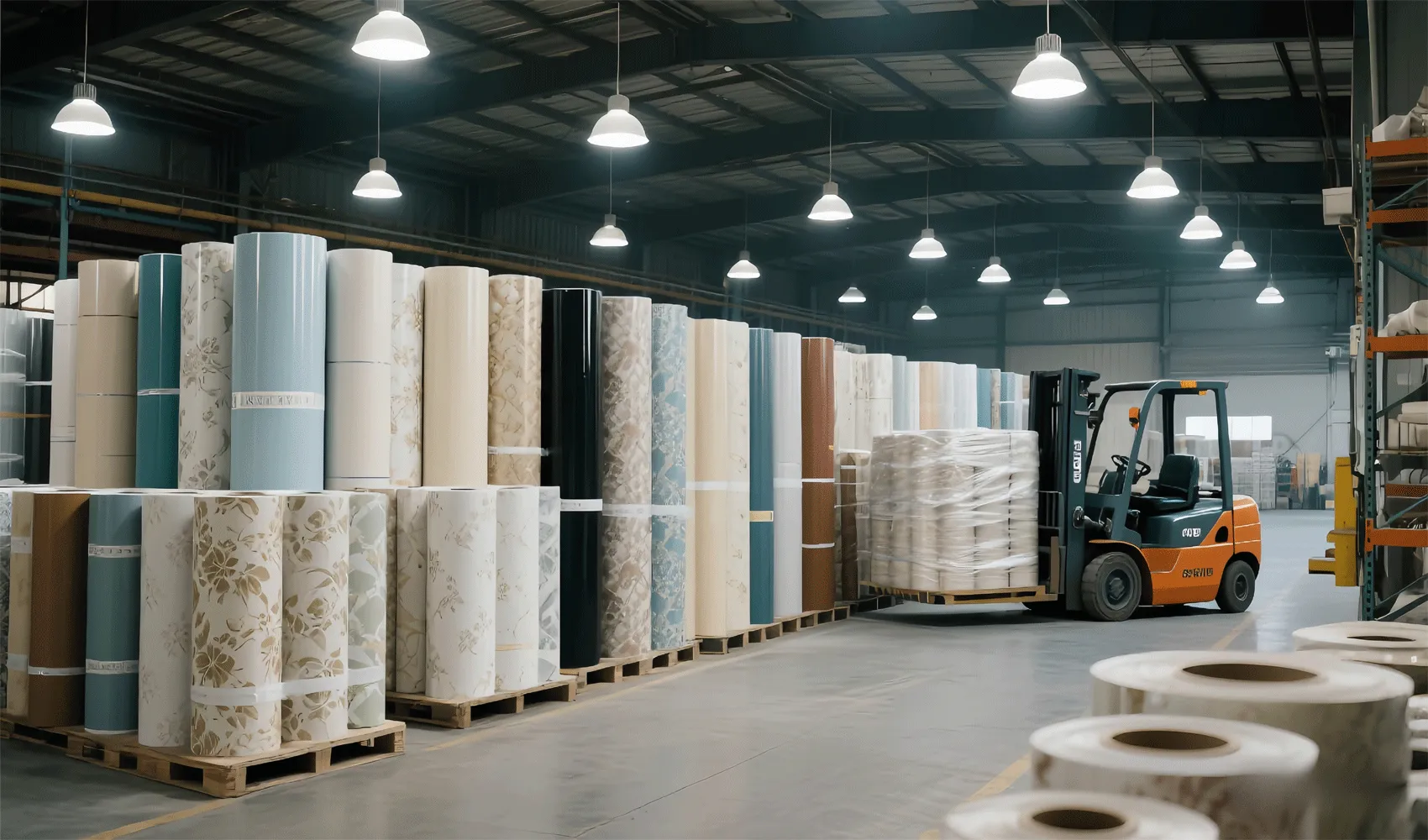
Onshoring & supply chain reliability: Post-pandemic buyers prioritize stable lead times and predictable logistics. Distributors in the U.S. prefer vendors who can support consistent scheduling and flexible split-packaging to match seasonal demand swings.
E-commerce packaging growth: As online retail continues expanding in the U.S., demand for lightweight protective films, printed branding films, and tamper-evident solutions is rising—especially for perishable food and consumer electronics.
Regulatory focus: For food-contact and medical-grade uses, U.S. customers expect compliance with FDA regulations and clear documentation. Buyers in healthcare and food services frequently request certificates and test reports before procurement.
Intended use: Specify protective vs decorative vs food-contact grades.
Gauge & strength: Thicker films for protection, thinner films for flexible packaging and printing clarity.
Adhesive & peel properties: Temporary protective films should remove cleanly; permanent laminates require strong bonding.
Finish & printability: Choose matte, glossy, wood grain, marble, or custom prints to match consumer expectations and brand identity.
Compliance documents: Always confirm FDA, RoHS, or other certifications relevant to the U.S. application.
Yes—when specified as FDA-compliant food-grade PVC. Confirm migration testing and supplier documentation before use for direct food contact.
Ask suppliers about split-packaging, pallet optimization, and roll-length options to match your production lines and lower freight spend.
For manufacturers and distributors looking for full in-house production capabilities and flexible OEM support, Pulivk provides calendering, printing, and split-packaging options to ensure quality control and stable lead times—ideal for partners across the U.S. supply chain. Visit Pulivk
If you serve the U.S. market—whether as an architect specifying decorative films, a packaging buyer scaling e-commerce fulfillment, or a contractor needing dependable protection films—selecting the correct PVC grade and a supplier with consistent quality control will save cost and reduce installation or production headaches.