Address
304 North Cardinal St.
Dorchester Center, MA 02124
Work Hours
Monday to Friday: 7AM - 7PM
Weekend: 10AM - 5PM
Address
304 North Cardinal St.
Dorchester Center, MA 02124
Work Hours
Monday to Friday: 7AM - 7PM
Weekend: 10AM - 5PM


 ByPulivk
PVC film offers Tanzanian door factories a practical mix of durability, style and affordability — ideal for local carpentry shops, mass door manufacturers and renovation contractors working across Dar es Salaam, Arusha, Mwanza and rural regions. With rising demand for moisture-resistant, low-maintenance doors in coastal and inland areas, PVC film surfaces deliver modern finishes while protecting core materials from humidity, sun exposure and everyday wear.
Weather resilience: PVC film resists moisture and warping, a key advantage in Tanzania’s humid coastal belt and rainy seasons. It protects MDF, particleboard and engineered wood cores used in cost-effective door production.
Cost-effective aesthetics: High-quality wood-grain, marble and solid-color PVC films replicate premium finishes at a fraction of the cost of real wood — perfect for affordable housing, hotels, lodges and commercial fit-outs in urban centers.
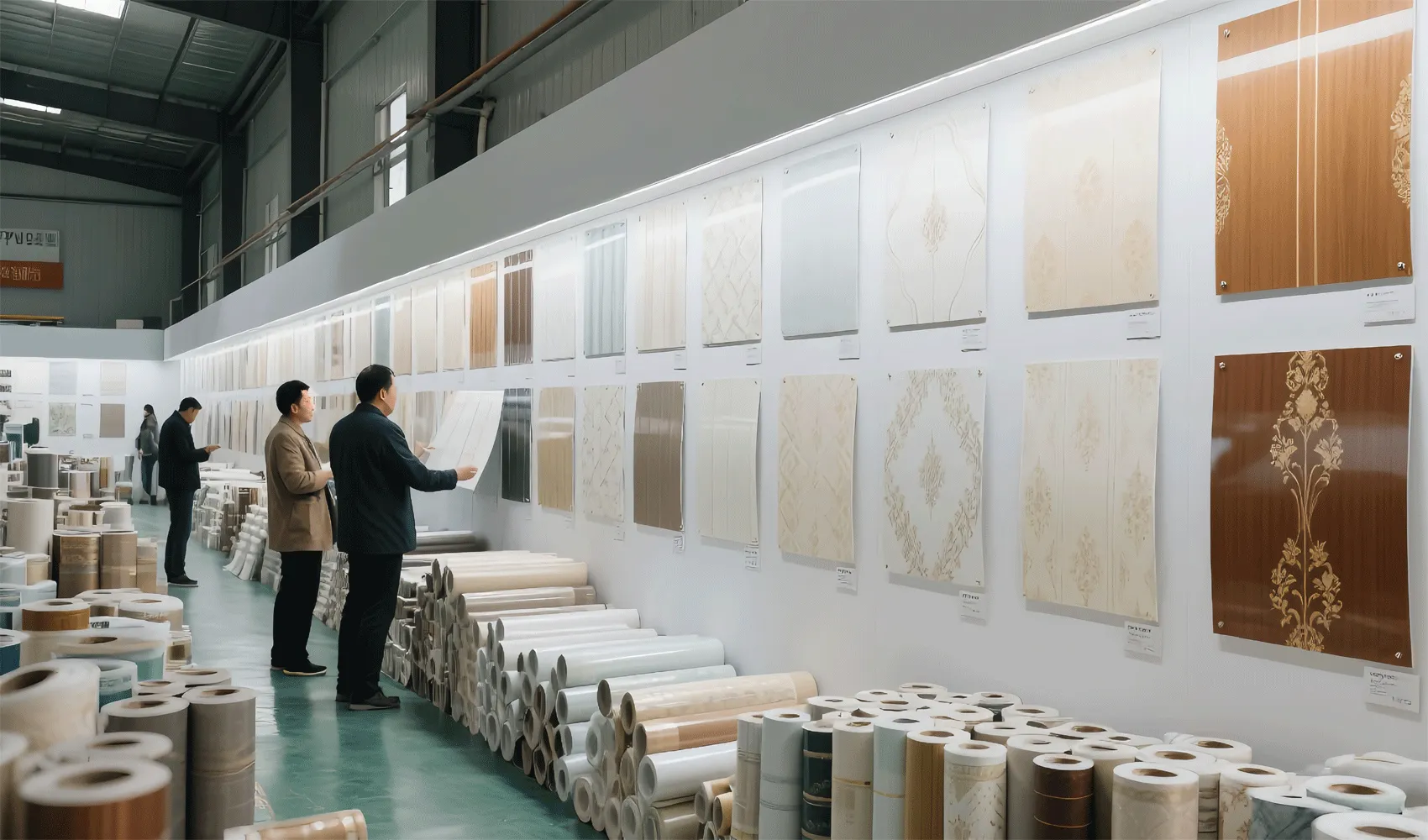
Fast production and customization: Films can be applied quickly in factory settings, supporting fast turnaround, repeatable quality and consistent color across batches — essential for OEM door runs and private-label projects.
UV and fade resistance reduces discoloration under strong equatorial sun.
Scratch and stain protection keeps doors looking new with minimal maintenance.
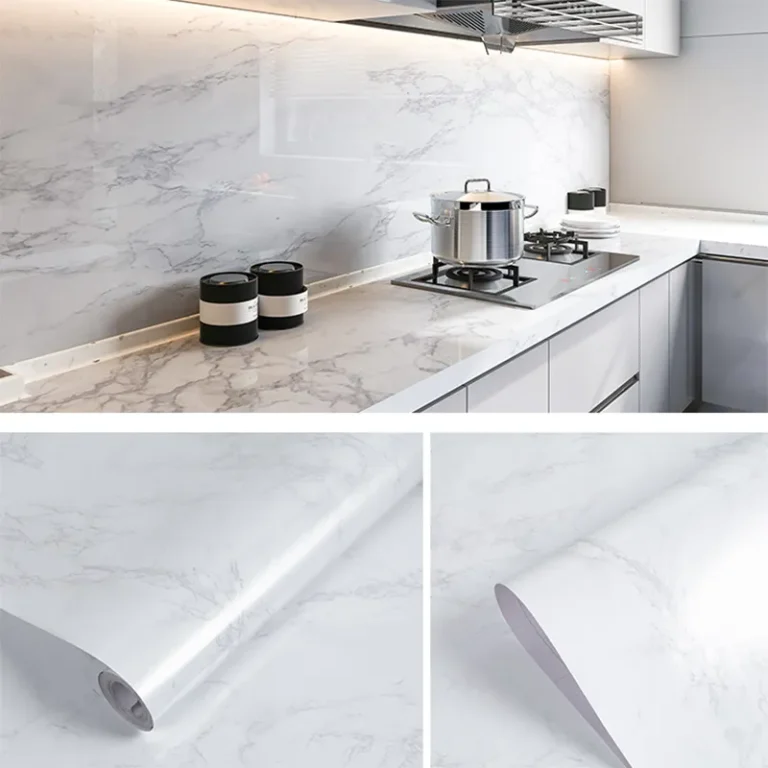
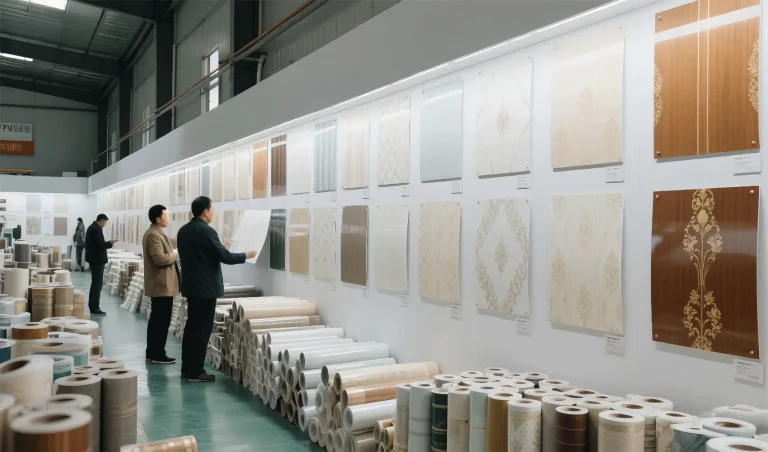
Wide design options from wood grains to high-gloss and textured 3D effects suit residential, commercial and hospitality markets.
Below is a quick technical snapshot to help door factories choose the right film based on performance and finish needs.
| Film Type | Typical Thickness | Finish | Ideal Use |
|---|---|---|---|
| Wood grain PVC film | 0.15–0.6 mm | Matte or glossy wood look | Residential & office doors |
| Glossy / High-gloss film | 0.2–0.5 mm | Reflective modern finish | Contemporary hotels & showrooms |
| Embossed / 3D texture | 0.25–0.6 mm | Textured, anti-scratch | High-traffic commercial doors |
| Solid-color & specialty prints | 0.15–0.4 mm | Custom colors & graphics | Branded hotel doors & unique projects |
Tanzania’s coastal humidity and inland temperature swings require door surfaces that won’t delaminate or fade quickly. Modern PVC films are produced with UV stabilizers and moisture barriers that reduce peeling and protect adhesive bonds. For beaches and high-sun areas, choose films with proven UV-resistance and choose adhesives rated for tropical conditions.
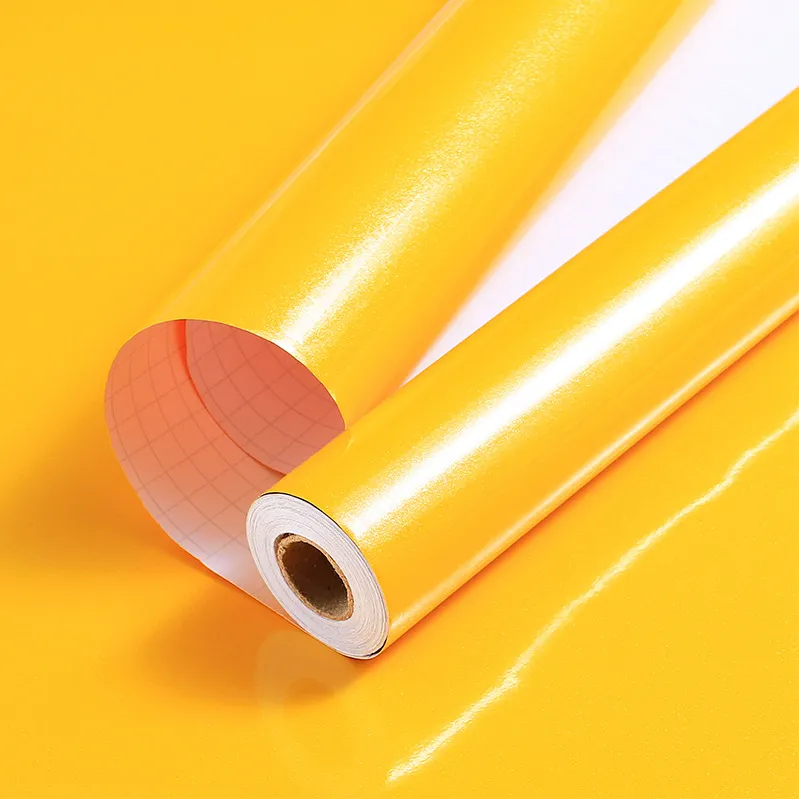
Local door producers prioritize material cost, consistent supply and low lead times. Ordering films in split packaging allows smaller factories and workshops to buy fixed-length rolls that match production runs without excess inventory. Bulk purchasing and working with reliable exporters reduces per-meter cost and import delays.
Packaging & logistics tip: single-roll protection in PE wrap and carton packing helps minimize damage during transit to ports like Dar es Salaam and Mtwara.
Quality control: verify in-house production capabilities and QC checkpoints to ensure consistent film thickness and print accuracy.
Customization & OEM capability: ask about custom colors, wood-grain patterns, print repeat size and slitting options for door widths common in your market.
Lead time & export experience: prefer suppliers with proven exports to Southeast Asia, the Middle East or Africa — they understand shipping, customs and documentation.
For factories seeking a reliable partner with full in-house production—calendering, printing and split-packaging—Pulivk offers tailored PVC film options, stable lead times and OEM support: https://pvcfilmtec.com/
Choosing the right PVC film can cut manufacturing costs, speed deliveries and raise the perceived value of doors sold in Tanzania’s competitive markets. Evaluate samples under local conditions, confirm slitting and packaging preferences, and plan orders to match production cycles for the best results.