Address
304 North Cardinal St.
Dorchester Center, MA 02124
Work Hours
Monday to Friday: 7AM - 7PM
Weekend: 10AM - 5PM
Address
304 North Cardinal St.
Dorchester Center, MA 02124
Work Hours
Monday to Friday: 7AM - 7PM
Weekend: 10AM - 5PM

 ByPulivk
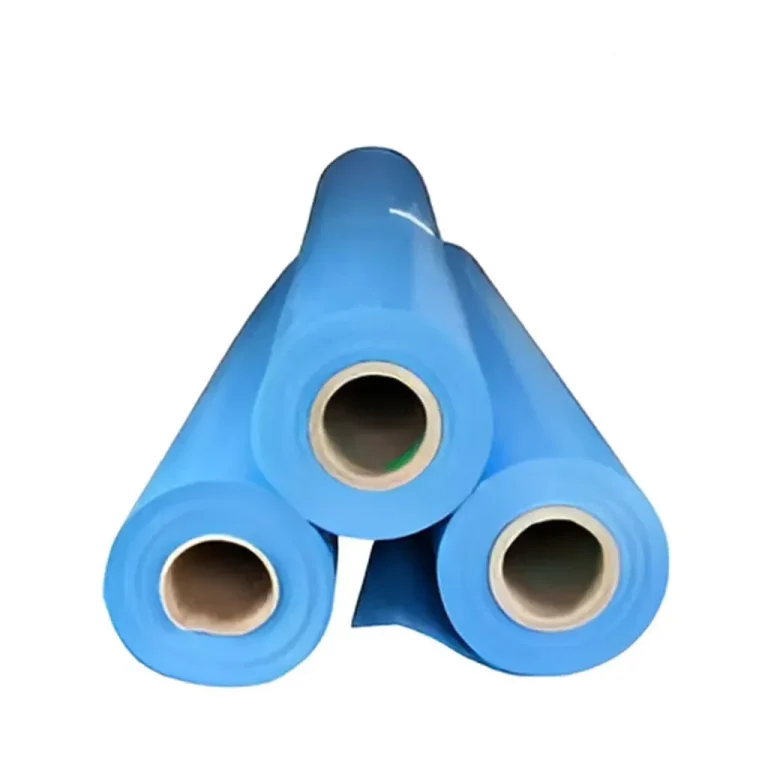
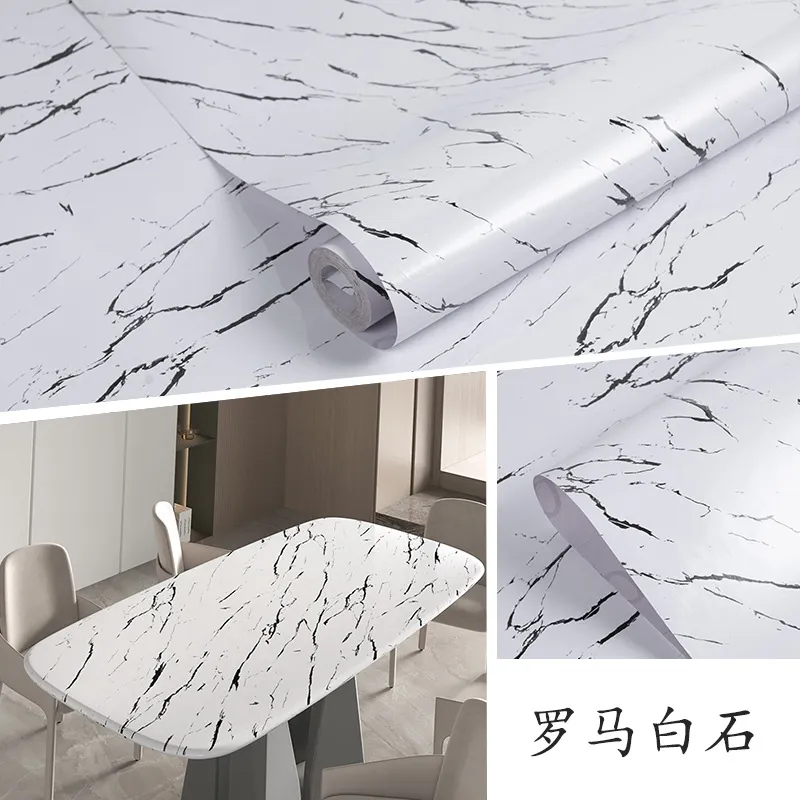
Peelable PVC rigid film is a specialized thermoplastic material engineered for temporary surface protection, decorative overlays, and functional applications where clean, residue-free removal is essential. Unlike permanent films, this material balances sufficient adhesion during use with effortless peelability when the job is done. From protecting sensitive electronics during manufacturing to enabling temporary branding on retail displays, the versatility of this film continues to expand across multiple industries.
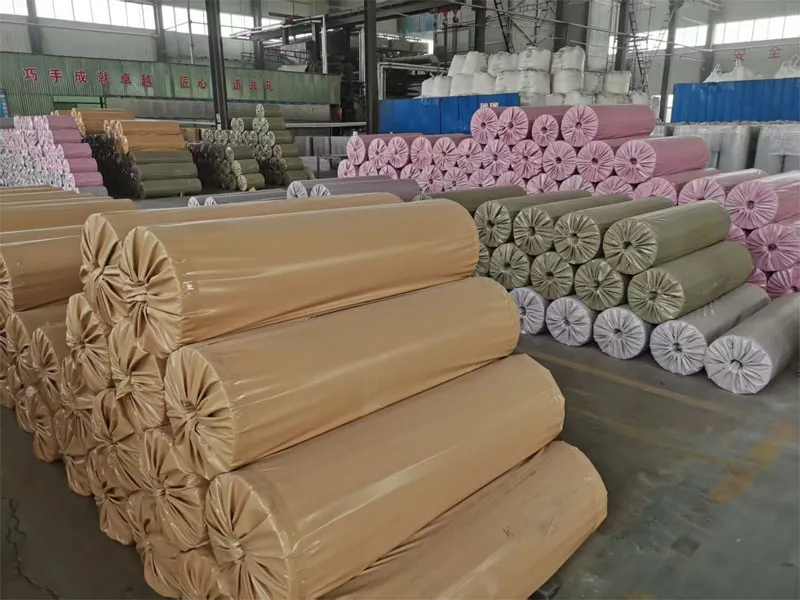
At its core, this film is a calendered or extruded polyvinyl chloride sheet formulated with a unique balance of plasticizers, stabilizers, and release agents. The rigid nature provides dimensional stability and form retention, while the carefully controlled surface energy allows it to adhere temporarily to substrates such as glass, metal, painted surfaces, and certain plastics. Crucially, the bond is physical rather than chemical, meaning no adhesive residue mars the protected surface upon removal. Henan Pulivk New Materials Co., Ltd. produces calendered films with precisely these characteristics, ensuring reliable performance across diverse use cases.
Not all peelable films are created equal. The following features distinguish premium grades from commodity alternatives, directly impacting performance in demanding environments.
Adopting peelable PVC rigid film delivers measurable advantages from production floors to end-user experiences.
The versatility of peelable PVC rigid film spans numerous sectors. Below are the most common and emerging applications.
| Industry Sector | Typical Applications | Key Requirements |
|---|---|---|
| Electronics & Appliances | Protective covers for screens, control panels, and stainless steel surfaces during assembly and shipping | Anti-static properties, clean peel, clarity |
| Building & Construction | Temporary protection for windows, doors, metal profiles, and floor surfaces during construction | UV resistance, weather durability, tear resistance |
| Advertising & Signage | Temporary window graphics, promotional decals, and event branding elements | Printability, outdoor weatherability, easy removal |
| Furniture Manufacturing | Surface protection for decorative laminates, glossy panels, and wood grain finishes during handling and installation | Conformability, residue-free removal, scratch resistance |
| Automotive | Paint protection during transit, interior trim coverage, and temporary masking | Chemical resistance, conformability to curves, long-term removability |
Selecting the optimal film requires evaluating multiple technical and practical factors. A systematic approach prevents costly mismatches and ensures performance satisfaction.
Identify the surface material, texture, and condition. Smooth glass requires a different film than rough concrete. Porous surfaces may require higher initial tack to achieve adequate contact area. Always test on a representative sample to verify compatibility and peel behavior.
Low-tack films (0.5–2 N/25mm) suit delicate surfaces like polished acrylic or pre-painted metal. Medium-tack films (2–5 N/25mm) handle general-purpose protection on textured surfaces. High-tack variants (5–10 N/25mm) are reserved for rough substrates where secure adhesion is paramount. Always balance adhesion security with removal effort.
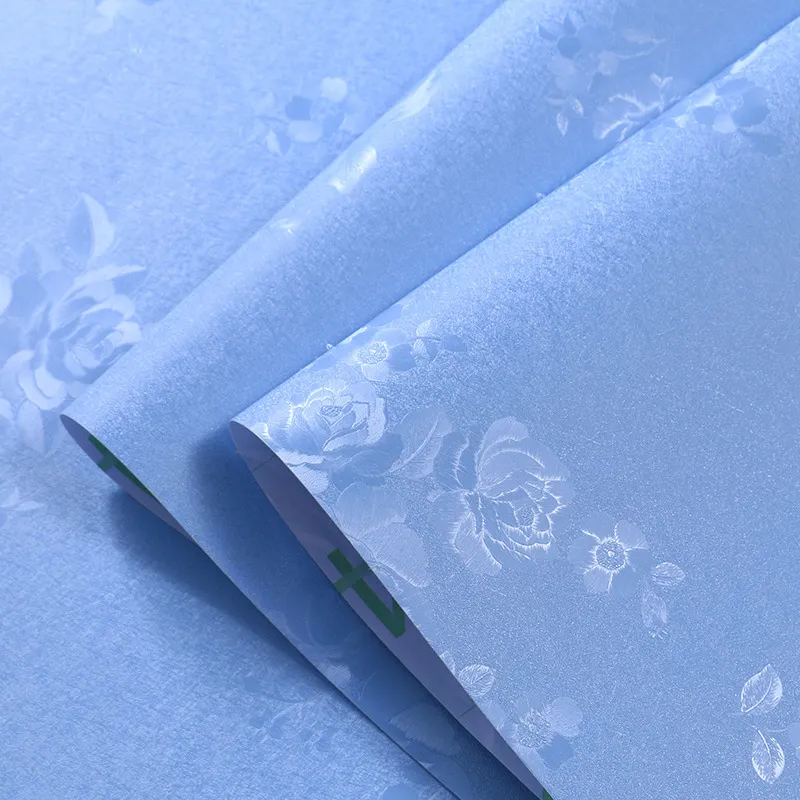
Consider temperature ranges, UV exposure, humidity, and potential chemical contact. Outdoor applications demand formulations with UV stabilizers. Cleanroom environments may require low-outgassing films. Consult technical datasheets for specific resistance properties and expected outdoor durability ratings.
Film thickness directly influences handling characteristics and protection level. Thicker rigid films (0.15–0.50 mm) offer superior impact resistance and reusability but may be less conformable on curved surfaces. Thinner films (0.05–0.15 mm) provide better drapability and conformability at a lower material cost.
Determine whether the film will undergo printing, die-cutting, thermoforming, or other downstream processes. Ensure the selected film grade is compatible with the intended processing methods. Some films are specially treated for ink adhesion, while others are optimized for clean cutting edges.
For applications involving food contact, medical devices, or children’s products, confirm that the film meets relevant standards such as REACH, RoHS, or FDA food contact regulations. Request compliance documentation from the supplier to validate claims and ensure audit readiness.
Reputable manufacturers adhere to recognized testing protocols to validate film performance. Understanding these standards helps procurement professionals make informed comparisons. Key tests referenced in specifications include:
Requesting certificates of analysis against these standards provides objective assurance of batch-to-batch consistency and overall material quality.
Proper storage preserves peelable film properties and extends shelf life. Store rolls horizontally in their original packaging, away from direct sunlight, heat sources, and high humidity. Ideal storage temperature ranges between 15°C and 25°C. Allow the film to acclimate to the application environment for 24 hours before use to prevent condensation and dimensional changes. Keep surfaces clean and free of silicone-based contaminants that could compromise peel performance.
Residue typically results from exceeding the film’s temperature rating, prolonged UV exposure beyond specifications, or applying the film to incompatible surfaces like freshly painted or chemically treated substrates. Always match the film grade to the intended application conditions and removal timeframe.
Thinner, more flexible formulations (typically below 0.12 mm) conform well to gentle curves and contours. For complex compound curves, heat-assisted application using a heat gun can improve conformability, but test first to avoid permanent deformation.
When stored under recommended conditions, most rigid peelable PVC films maintain their properties for 12 to 24 months from the date of manufacture. Check the manufacturer’s technical datasheet for product-specific shelf life recommendations and storage guidelines.