Address
304 North Cardinal St.
Dorchester Center, MA 02124
Work Hours
Monday to Friday: 7AM - 7PM
Weekend: 10AM - 5PM
Address
304 North Cardinal St.
Dorchester Center, MA 02124
Work Hours
Monday to Friday: 7AM - 7PM
Weekend: 10AM - 5PM


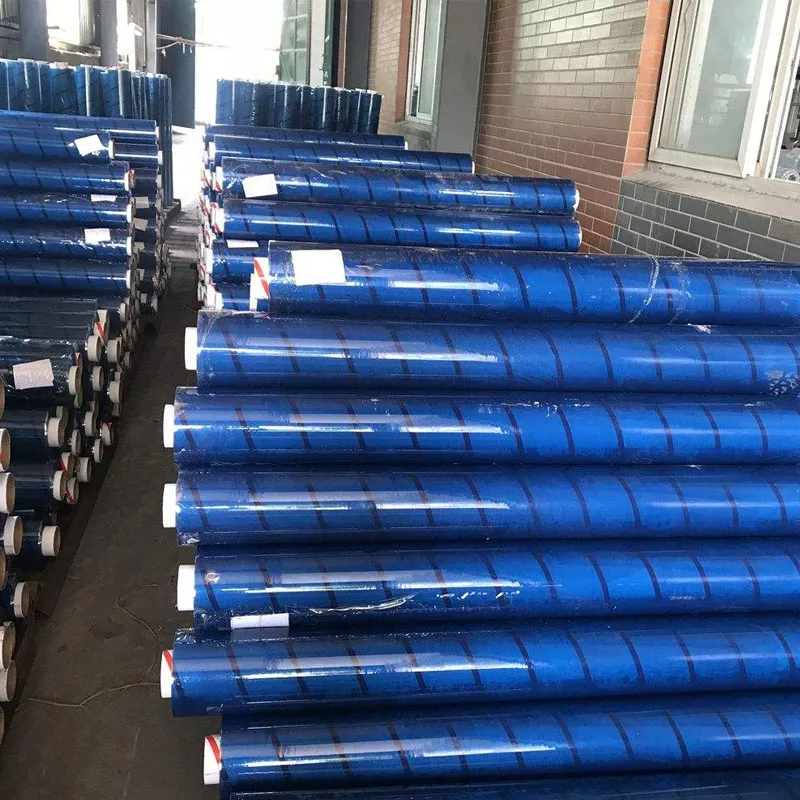
Window insulation film is a thin, transparent or reflective sheet applied to glass to reduce heat transfer, block UV rays, improve comfort, and cut energy costs. Homeowners and businesses use it as a low-cost, non-permanent upgrade to windows that boosts thermal performance without replacing the entire unit.
Insulation films reduce heat gain in summer and heat loss in winter by changing how windows transmit and reflect infrared and visible light. Films can work in three main ways: reflecting solar radiation, absorbing heat, or creating an additional insulating layer that reduces convective heat flow through the glass.
Most films are laminated or coated multi-layer plastics that adhere directly to the glass. Some include metallic layers (reflective films) or low-emissivity (Low-E) coatings that significantly reduce infrared radiation while keeping visible light levels comfortable.
Choosing the right film depends on your priorities: heat control, glare reduction, privacy, or aesthetics. Below are common film types and their typical uses.
| Type | Primary Benefit | Best For |
|---|---|---|
| Clear insulating film | Adds insulating air gap, reduces heat loss | Older single-pane windows in cold climates |
| Reflective/metalized film | Blocks solar heat and glare | Sun-exposed offices, south/west windows |
| Low-E (low-emissivity) film | Improves winter performance; reflects infrared | Energy-focused retrofits year-round |
| Tinted film | Reduces visible glare and solar gain | Living rooms, TV rooms, storefronts |
| Decorative / frosted film | Privacy and design with modest thermal gains | Bathrooms, entry doors, offices |
Insulation films can reduce HVAC energy use by 5–30% depending on window type, climate, and film quality. Reflective films often offer the largest summer savings in hot, sunny climates, while Low-E films help cut heating costs in colder regions.
Example estimate: replacing or upgrading thermal performance of a single-pane window with insulating film can lower heat loss equivalent to adding R-0.5 to R-1.0, meaning noticeable reductions in heating bills when applied across many windows.
Installation methods vary by film type but generally follow these steps:
1) Clean the glass thoroughly to remove dust and grease.
2) Measure and cut the film to size, leaving a small margin for trimming.
3) Spray the glass with a soapy water solution for positioning.
4) Apply film, smooth bubbles with a squeegee, then trim edges. Allow any adhesive-backed films to cure per manufacturer instructions.
Advantages: Affordable, fast to install, improves comfort, blocks UV, and can enhance privacy or style. Good short-term ROI compared to full window replacement.
Limitations: Performance is lower than high-performance double- or triple-glazed windows; some films may alter visible appearance or require careful selection to avoid glare/reflection concerns. Lifespan varies from 5–15 years based on quality and exposure.
Consider climate and goals: In hot climates prioritize solar-reflective films with high Solar Heat Gain Coefficient (SHGC) reduction; in cold climates choose Low-E films or insulating kits that reduce U-factor (heat loss). Also check:
– Visible Light Transmission (VLT) to maintain daylighting.
– UV rejection percentage to protect furnishings.
– Warranty and manufacturer quality—look for clear performance data.
| Spec | Range / Example |
|---|---|
| Thickness | 25–200 microns |
| Visible Light Transmission (VLT) | 10% (dark tint) to 90% (clear) |
| UV Rejection | Up to 99% |
| Warranty | 5–15 years (manufacturer dependent) |
Clean films with a soft cloth and mild soap solution. Avoid abrasive cleaners, scrapers, and ammonia-based products which can damage adhesives or coatings. Inspect annually for edges lifting or scratches and repair or replace as needed.
Q: Will film distort my view? A: High-quality clear films are nearly invisible; reflective or heavily tinted films will change appearance and reflectivity.
Q: Can I install film on double-pane windows? A: Yes—films can improve performance, but choose Low-E-compatible films and consult the window manufacturer if under warranty.
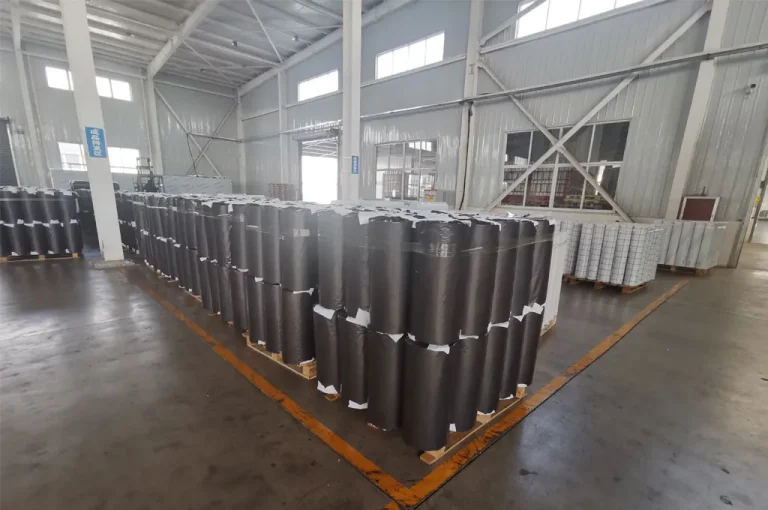
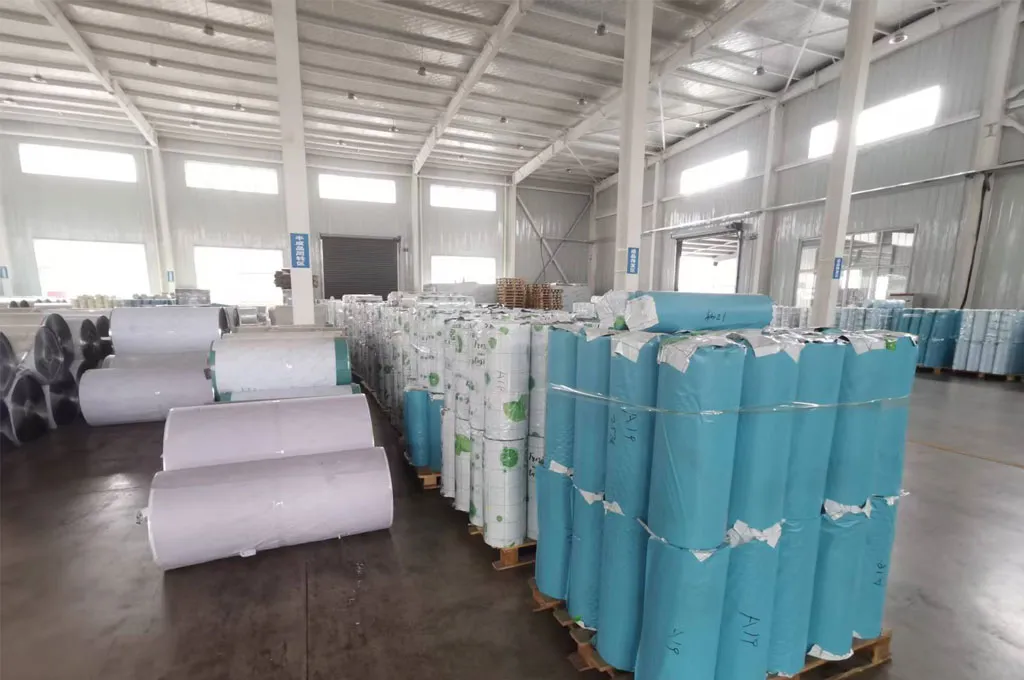
For bulk, OEM, or custom-size films consider manufacturers with full in-house production lines for consistent quality and stable lead times—Pulivk offers calendering and printing capacity along with customization options for various film types.
Before buying, measure window orientation and solar exposure, compare product datasheets (SHGC, U-factor, VLT), and weigh short-term cost vs. long-term savings. Often combining film with shading and insulation upgrades yields the best ROI.