Controlling static on PVC film is essential for reliable handling, packaging, and end-use performance. This guide explains how PVC anti-static properties work, practical treatments and process controls, testing methods, and buyer-focused tips to reduce defects, dust attraction, and electrostatic discharge (ESD) risks.
Understanding Anti-Static Properties of PVC Film
Anti-static PVC film reduces surface charging by improving surface conductivity or enabling faster charge dissipation. Films are commonly categorized as static-dissipative (surface resistivity typically 106–1011 ohm/sq) or conductive (lower resistivity for stronger ESD protection). The choice depends on application sensitivity, whether packaging electronics, decorative finishes, or floor coverings.
Common Causes of Static Build-Up
Static problems occur when insulating surfaces separate, rub, or move in dry environments. Typical contributors include:
- Low ambient humidity (common in winter or climate-controlled production areas)
- Fast calendering or slitting processes that shear the film surface
- Incompatible cleaning agents or surface contamination
- Packaging and handling that prevent grounding
How Anti-Static Treatments Work
There are three common strategies:
- Intrinsic modification — incorporating conductive or antistatic additives into the film matrix during compounding.
- Surface coatings — applying antistatic layers (permanent or sacrificial) to lower surface resistivity and reduce dust attraction.
- External controls — environmental and equipment solutions such as humidification, ionizers, and grounding to minimize charges during manufacture and use.
Practical Ways to Improve Static Control and Performance
Implement a combined material + process approach for the best results:
- Select the right formulation: Use tailored conductive fillers or surface-active antistatic agents for the target resistivity and optical requirements.
- Opt for surface coatings when clarity matters: Ultra-thin antistatic coatings preserve gloss and transparency while improving dust resistance.
- Control humidity: Maintain relative humidity around 40–60% in production and storage to reduce charge buildup.
- Use ionization and grounding: Install ionizers near slitters, winding stations, and printing lines; ensure all conductive rollers and frames are grounded.
- Optimize process settings: Reduce friction points, slow down high-shear operations where feasible, and use corona or plasma treatments to improve coating adhesion before printing.
- Choose durable antistatic systems: For long-life applications, prefer permanent antistatic solutions over washable sacrificial types when possible.
Key Performance Table
| Property |
Typical Range |
Recommended Treatment |
| Surface Resistivity (ohm/sq) |
1×10^5 – 1×10^12 |
Conductive fillers or antistatic coating |
| Static Decay Time (0–1000V) |
Quick: <100 ms; Typical: 0.5–5 s |
Permanent antistatic additives; ionizers |
| Optical Clarity |
High to medium |
Surface coating or low-load additives |
Testing & Quality Control
Reliable testing ensures consistent anti-static performance under real conditions. Typical QC checks:
- Surface resistivity and volume resistivity (ASTM D257)
- Static decay time using charged plate or field meter methods
- Environmental testing at low humidity to simulate worst-case conditions
- Adhesion, optical and wear tests for coated films
Design Considerations & Trade-offs
When specifying anti-static PVC film, balance functional needs and aesthetics. Higher conductivity can slightly affect transparency or gloss if heavy filler loading is used; coatings may change surface feel and slip. Communicate target resistivity, lifetime (permanent vs temporary), and end-use environment to achieve the best compromise.
Applications That Benefit Most
Key application areas where static control improves quality and safety:
- Electronics and components packaging — prevents ESD damage
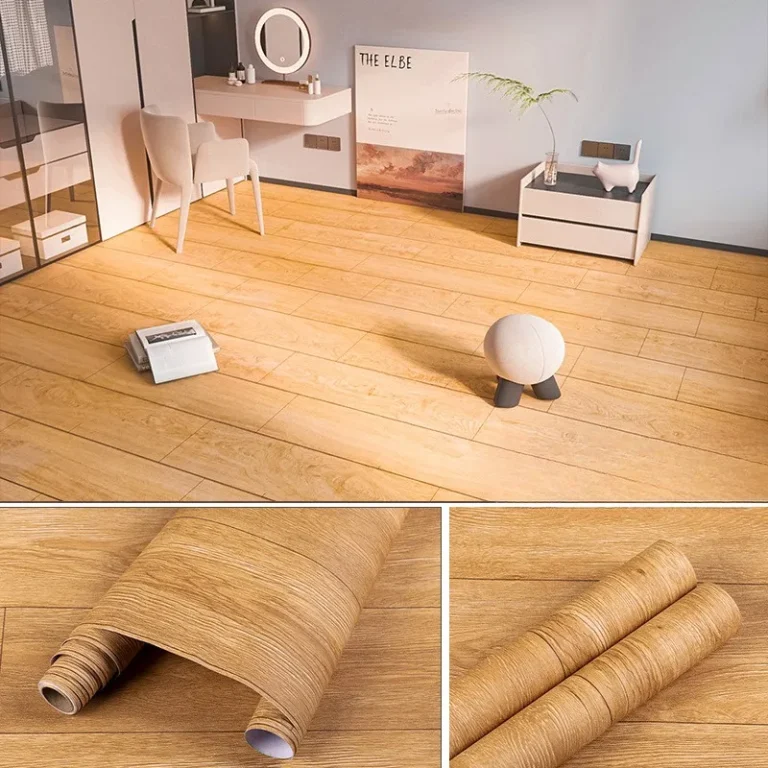
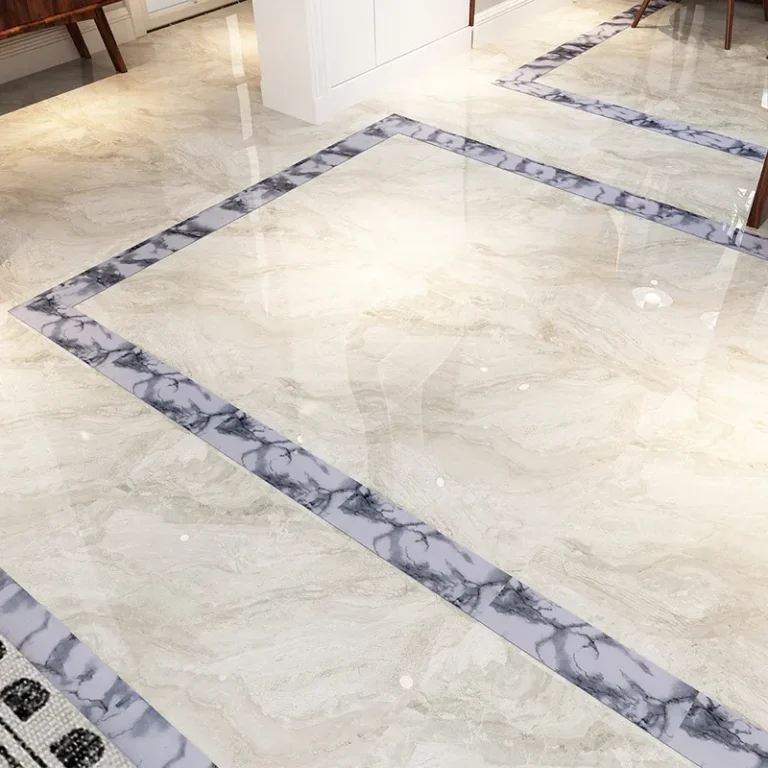
- Floor and wall films — reduces dust attraction and visible soiling
- Printing and lamination — avoids dust defects and improves print yield
- Medical packaging and containment — minimizes particle adhesion
How Pulivk supports anti-static PVC film needs
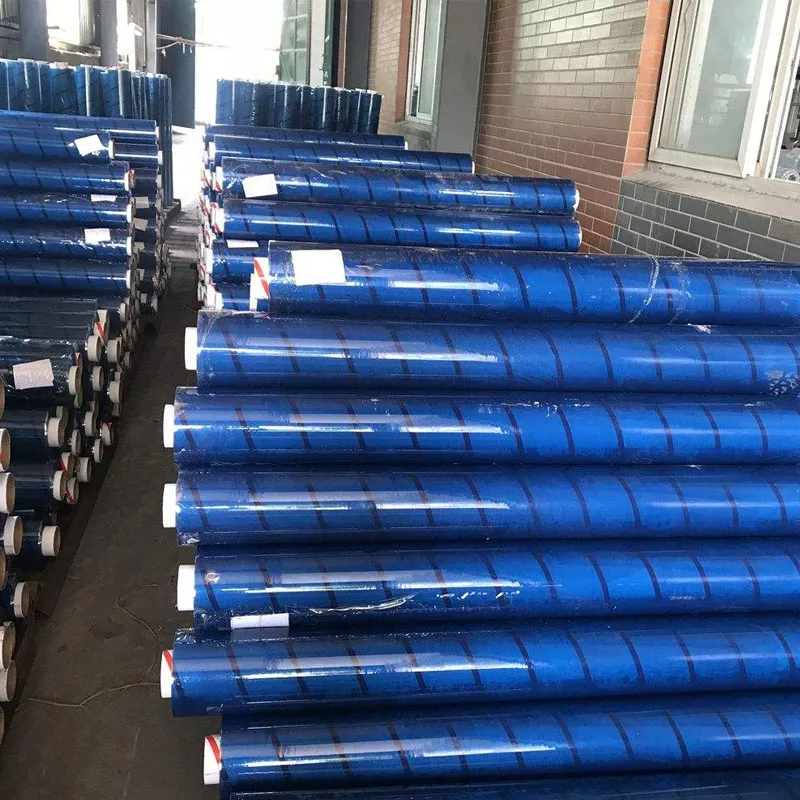
Pulivk (https://pvcfilmtec.com/) offers in-house calendering, printing, and split-packaging lines plus OEM customization to help manufacturers specify and source anti-static PVC film tailored to resistivity, clarity, and packaging requirements.
Quick Checklist for Buyers
- Specify target surface resistivity and static decay time for your application.
- Decide between intrinsic additives and surface coatings based on lifetime and clarity needs.
- Validate performance at low humidity and after handling/aging.
- Confirm packaging, grounding, and ionization strategies for production and end-use.