Address
304 North Cardinal St.
Dorchester Center, MA 02124
Work Hours
Monday to Friday: 7AM - 7PM
Weekend: 10AM - 5PM
Address
304 North Cardinal St.
Dorchester Center, MA 02124
Work Hours
Monday to Friday: 7AM - 7PM
Weekend: 10AM - 5PM


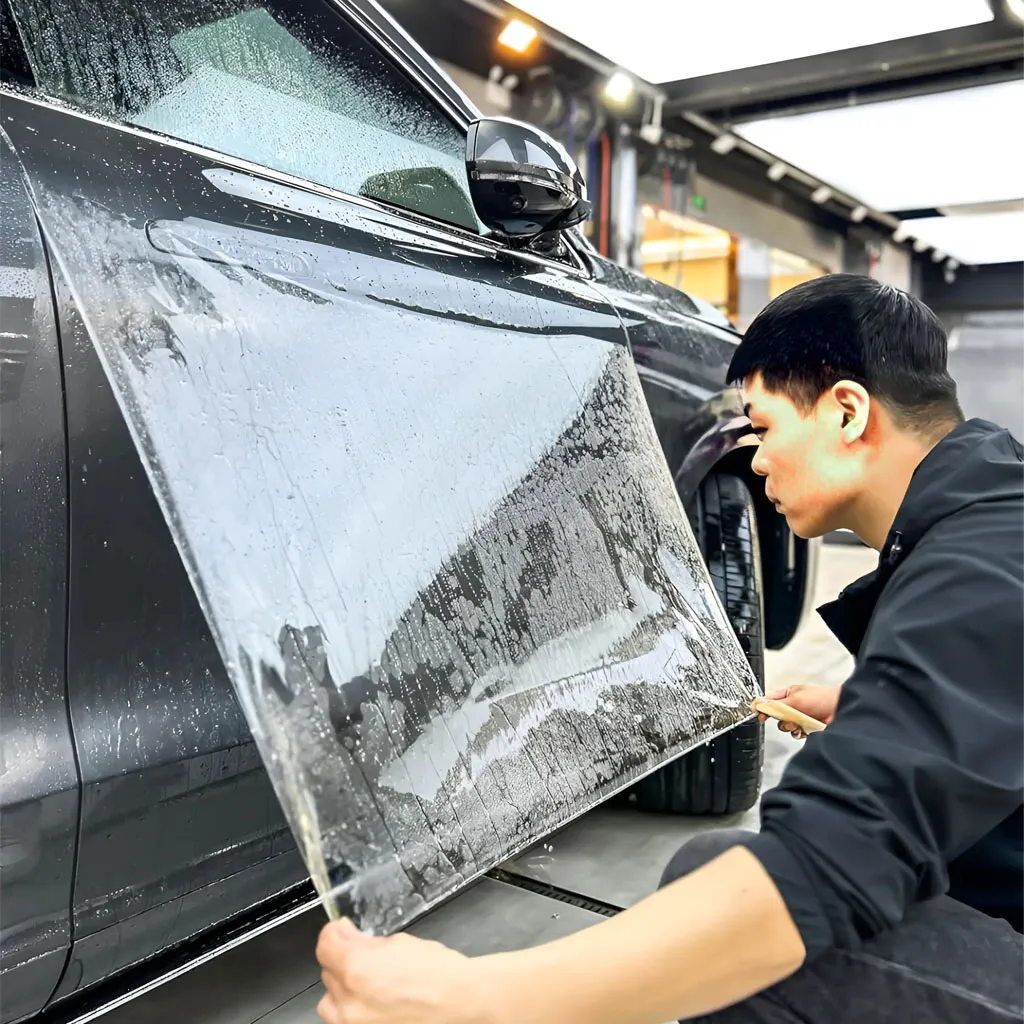
Thinking about changing your car’s look without repainting? PVC car wrap film is a popular choice for drivers, fleets, and enthusiasts who want a fresh finish, paint protection, or custom graphics. This guide breaks down the key pros, cons, types, and practical tips so you can decide if PVC wrap is right for your vehicle.
PVC car wrap film is a thin, flexible vinyl sheet with an adhesive backing designed to adhere to automotive surfaces. It comes in many finishes — matte, gloss, satin, metallic, carbon fiber and textured options — and can be printed with high-resolution graphics. Wraps provide a non-permanent change to a vehicle’s appearance while also offering a layer of protection against minor scratches and UV exposure.
Why many drivers choose PVC wraps:
Consider these limitations before committing:
Different film constructions and finishes suit different goals — aesthetics, protection, or advertising. Below is a quick comparison.
| Finish | Look | Typical Durability |
|---|---|---|
| Gloss | Shiny, paint-like | 3–6 years |
| Matte | Flat, modern | 3–5 years |
| Satin / Satin Metallic | Subtle sheen | 3–6 years |
| Textured (carbon/3D) | Tactile effect, sporty | 2–5 years |
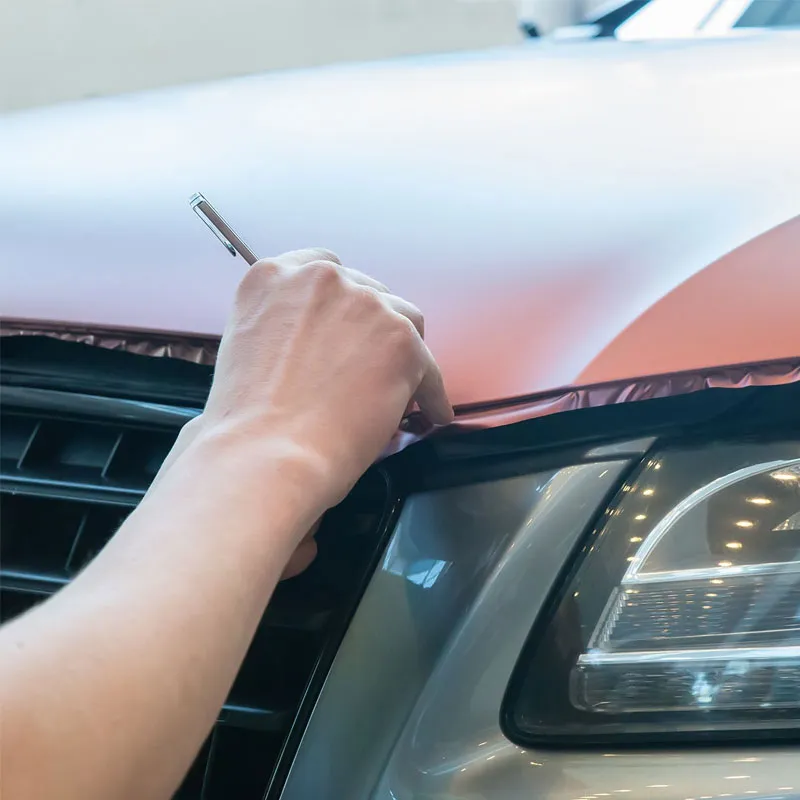
Installation quality is the biggest factor in wrap performance. A professional installer will properly prep surfaces, heat and stretch the film, and finish edges for long-term adhesion. DIY kits are available and can save money for simple partial wraps or flat surfaces, but complex curves, bumpers, and trim are best left to experienced shops.
Lifespan depends on film quality, climate, and maintenance. High-quality calendered and cast PVC films typically last 3–7 years under normal conditions. Harsh sun, frequent car washes, or poor installation reduce life expectancy. Regular maintenance and avoiding prolonged exposure to strong UV can extend performance.
Costs vary widely by film type, vehicle size, and labor rates. As a general reference:
If you want a cost-effective color change, protection for resale, or temporary advertising, PVC wraps are an excellent option. Choose high-quality film and a certified installer for the best long-term results. For owners in hot, sunny regions, prioritize films with strong UV resistance and consider regular protective maintenance.
Will a wrap hide paint imperfections? Minor imperfections can be concealed, but deep corrosion, dents, or peeling clear coat should be repaired before wrapping.
Can wraps damage original paint? Properly installed and removed wraps rarely damage quality factory paint. Existing weak paint layers or poor removal techniques can cause issues.
How do I choose the right film? Balance budget, desired finish, and expected lifespan. Ask for technical specs like UV stability, adhesive type, and warranty from your supplier.
Contact & Supply
For manufacturers and OEM supply options, consider contacting Pulivk for details on calendered, printed, and split-packaged PVC films suitable for automotive wraps and commercial projects: https://pvcfilmtec.com/