Address
304 North Cardinal St.
Dorchester Center, MA 02124
Work Hours
Monday to Friday: 7AM - 7PM
Weekend: 10AM - 5PM
Address
304 North Cardinal St.
Dorchester Center, MA 02124
Work Hours
Monday to Friday: 7AM - 7PM
Weekend: 10AM - 5PM


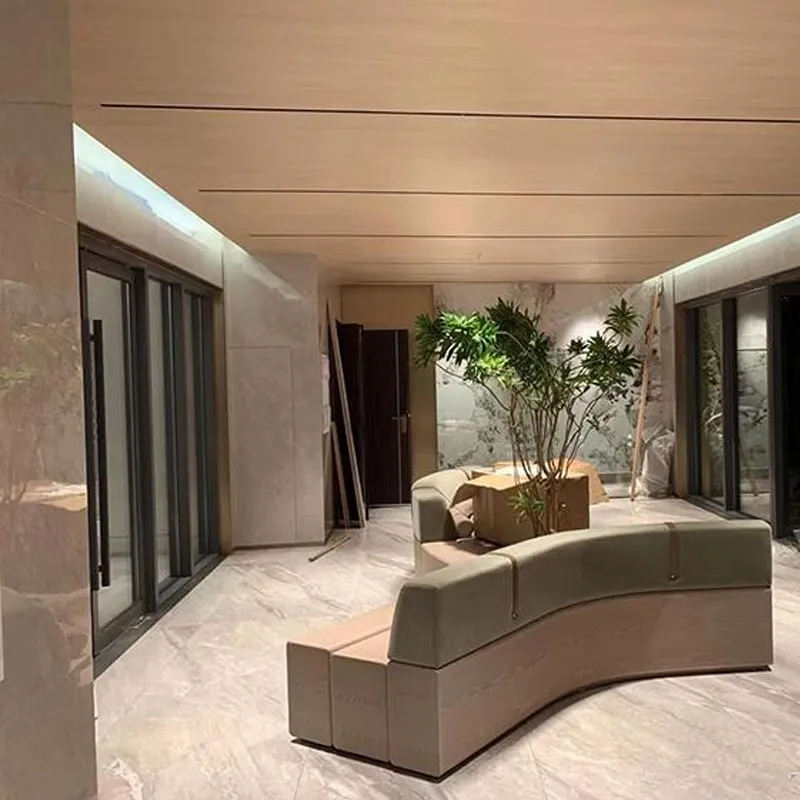
Furniture protective film is a thin, flexible layer applied to surfaces to guard against scratches, stains, dust, UV damage, and installation wear. Choosing the right type of protective film—PVC, PE, PET, self-adhesive vinyl or specialty coatings—can significantly extend the life and finish of cabinets, floors, countertops and furniture. This guide breaks down the most common types, key performance traits, and simple selection tips to help homeowners, contractors, and furniture manufacturers make smarter choices.
PVC protective films are widely used for temporary and decorative protection. Calendered PVC is cost-effective and ideal for flat surfaces like wardrobe doors and MDF boards. Cast PVC offers better clarity and conformability for curved furniture edges. PVC film variants include glossy, matte, wood-grain and embossed finishes.
PE film is lightweight and economical, commonly used as a temporary surface shield during shipping and onsite installation. It offers good tear resistance and is easy to remove without leaving residue when the adhesive specification matches the surface type.
PET films deliver high tensile strength and excellent clarity. They are often chosen for anti-scratch surface protection where durability and chemical resistance are required—good for high-traffic furniture finishes and glass-topped tables.
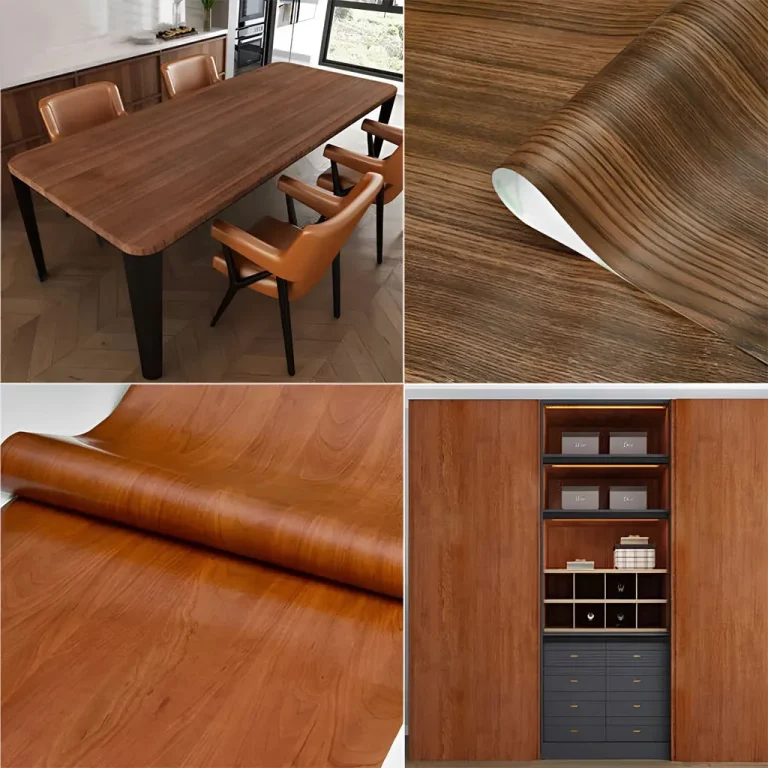
Self-adhesive vinyl (including PVC wrap) is popular for both protection and permanent decorative finishes. It comes in peel-and-stick rolls with strong adhesion for wood, laminate, and metal surfaces. Removable options are available for temporary protection during transport or renovation.
These specialty films include hard-coat layers or UV stabilizers to protect surfaces from abrasion and sunlight fading—especially useful for outdoor furniture or pieces exposed to strong indoor light.
Designed for kitchens and food prep areas, oil-proof aluminum-backed or coated PVC films resist grease, steam and common kitchen cleaners. They are washable and help maintain cabinet finishes.
Antistatic films reduce dust attraction on electronic cabinetry and glossy furniture, while antimicrobial films incorporate agents that inhibit microbial growth—useful in medical office furniture or high-touch public spaces.
Film Type | Main Strengths | Best For |
|---|---|---|
PVC (Calendered) | Cost-effective, decorative finishes | Flat furniture panels, temporary protection |
PVC (Cast) | High clarity, conforms to curves | Curved cabinetry, premium wraps |
PE Film | Lightweight, economical, tear-resistant | Shipping protection, construction sites |
PET Film | Strong, chemical-resistant, clear | Glass, high-wear surfaces |
Self-Adhesive Vinyl | Decorative & protective, easy install | Cabinet refacing, decorative upgrades |
Consider these factors when selecting a film:
Surface material: wood, laminate, metal, glass and stone each need specific adhesive grades and film stiffness.
Duration of protection: short-term (shipping/install) vs long-term (daily use) changes recommended material and adhesive.
Environmental exposure: kitchens and outdoor areas benefit from oil-proof and UV-resistant films.
Finish requirements: glossy vs matte or textured films to match design intent.
Removal needs: choose low-residue adhesives for temporary protection, high-strength adhesives for wraps.
Proper application extends performance:
Clean the surface thoroughly—no dust, grease or moisture—before applying film.
Use a squeegee or roller to remove air bubbles and ensure full contact.
For curved edges, warm cast PVC slightly to improve conformability; avoid overstretching self-adhesive vinyl.
Remove temporary films slowly at a low angle and at moderate temperatures to reduce adhesive transfer.

Protective films perform best when maintained: wipe with mild detergent and soft cloth for routine cleaning; avoid abrasive pads and harsh solvents unless the film spec allows chemical resistance. Inspect adhesive edges periodically and replace damaged sections to prevent trapping moisture under the film.
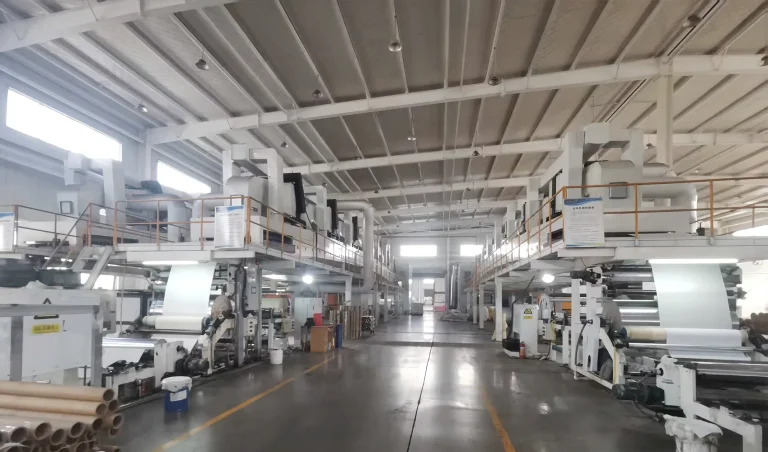
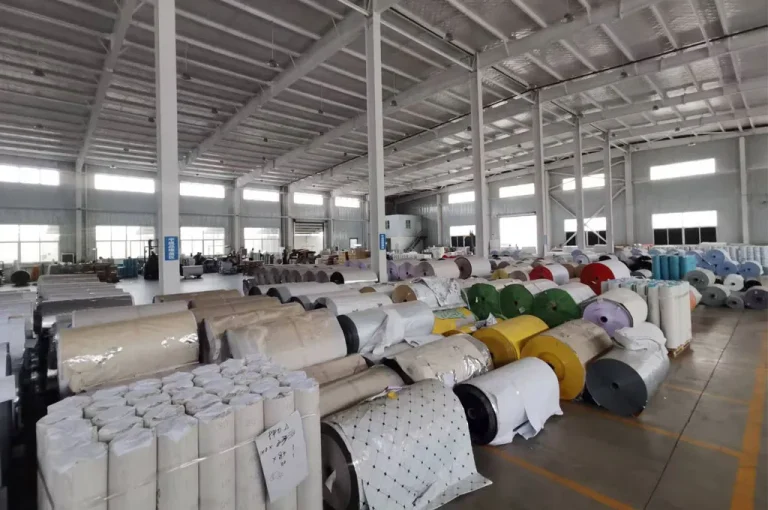
High-volume furniture producers and OEM partners often value films that combine cost-efficiency, stable quality and customization. Henan Pulivk New Materials Co., Ltd. offers full in-house production—including calendering, printing and split-packaging—plus flexible OEM support for tailored sizes, colors and prints to meet both decorative and protective demands.
Before ordering, confirm: surface type, protection period, required finish (gloss/matte/emboss), adhesive residue tolerance, and any regulatory needs (food-contact or antimicrobial certifications). Matching film specs to real-world use prevents failures and reduces replacement costs.