Address
304 North Cardinal St.
Dorchester Center, MA 02124
Work Hours
Monday to Friday: 7AM - 7PM
Weekend: 10AM - 5PM
Address
304 North Cardinal St.
Dorchester Center, MA 02124
Work Hours
Monday to Friday: 7AM - 7PM
Weekend: 10AM - 5PM


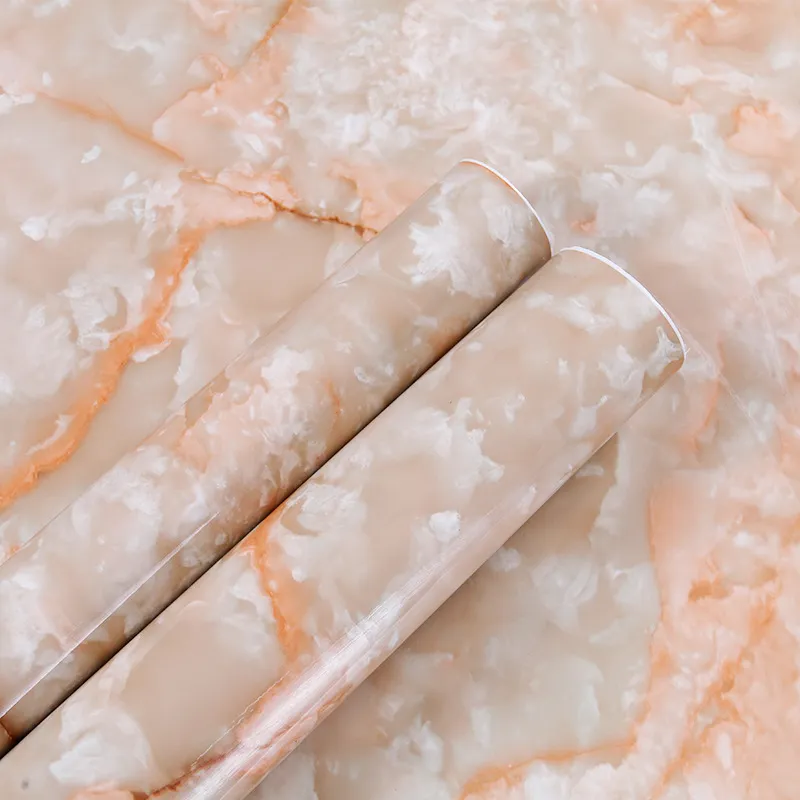
Composite release films are engineered multilayer products designed to control adhesion, protect surfaces, and enable clean release for adhesives, tapes, labels, and protective coverings. This guide explains typical constructions, materials, performance metrics, and practical design choices for manufacturers, converters, and specifiers seeking reliable, cost-effective release film solutions.
A composite release film combines several functional layers—carrier films, release coatings, and protective liners—into a single assembly. Each layer is chosen to deliver mechanical strength, controlled peel force, chemical resistance, or thermal stability. The result is a product tuned for applications such as pressure-sensitive adhesives (PSAs), laminates, converting processes, and protective masking.
Understanding layer order and thickness helps engineers match film performance to end-use requirements. Below is a concise breakdown of common layer stacks used in modern composite release films.
| Layer | Common Material | Primary Function | Typical Thickness |
|---|---|---|---|
| Release Liner | Calendered PVC, PET, or PE | Carrier & mechanical support | 25–200 µm |
| Release Coating | Silicone, fluorosilicone, or low-energy fluoropolymers | Controlled peel/release force | ~0.1–2 µm |
| Adhesive Layer (optional) | Acrylic, rubber-based PSA | Attachment to substrate | 10–100 µm |
| Protective Topcoat | UV-cured lacquers, anti-scratch coatings | Abrasion resistance, printability | 0.5–5 µm |
Material choices depend on the required peel profile, thermal and chemical resistance, and converting process. Key considerations include substrate compatibility, solvent resistance for printed release liners, and whether antistatic or anti-slip properties are required.
Common options: PET and calendered PVC for dimensional stability; PE for low cost and flexibility; silicone release for broad adhesion ranges; fluorinated coatings for aggressive adhesives or high-temperature release.
For decorative or functional films used in interior finishes, mineral or printed layers can be incorporated without sacrificing release performance.
Specifiers evaluate release films using standardized tests. Typical metrics include initial release force, loop tack, static shear, and aging resistance under heat, humidity, and UV exposure. When designing stacks, balancing initial release (easy unwind) with long-term adhesion stability is essential.
| Metric | Why It Matters | Typical Test |
|---|---|---|
| Initial Release Force | Controls unwind behavior on lines | Peel test 180°/300 mm/min |
| Loop Tack | Adhesion upon first contact | ASTM D6195 / PSTC-16 |
| Static Shear | Holding power under load and heat | ASTM D3654 |
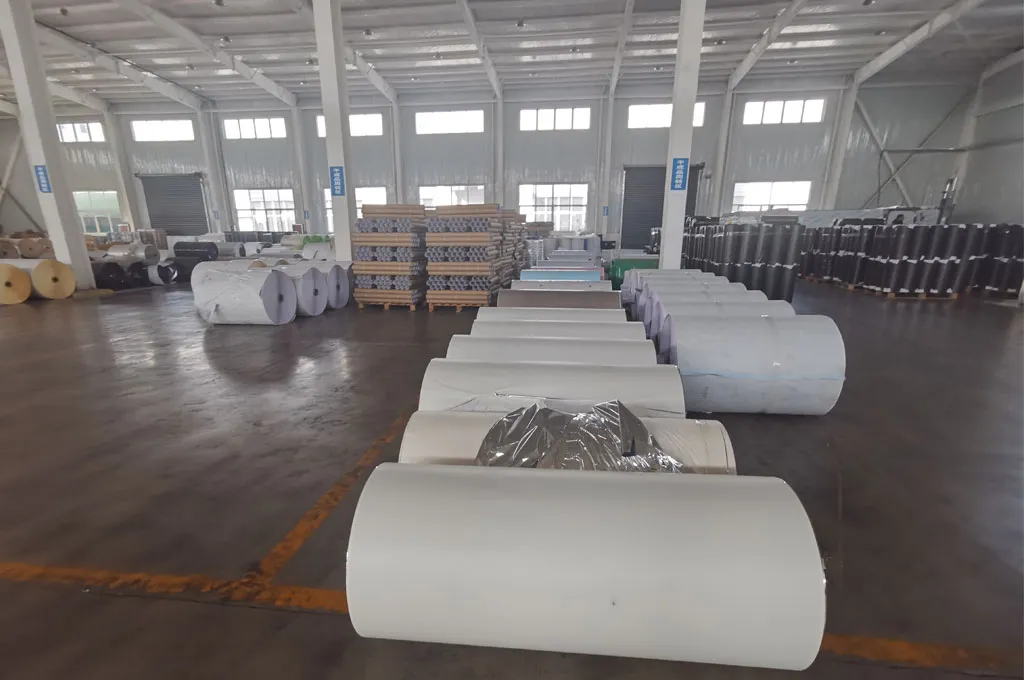
Efficient converting requires consistent release values, stable caliper control, and tight surface finish tolerances. For roll-to-roll lines, anisotropy and shrink must be minimized. Surface treatment (corona, flame) may be applied selectively to enhance printing or coating adhesion while preserving release zones.
Environmental and regulatory factors: choose low-VOC coatings and ensure recyclability or safe disposal routes. Many end users now require documentation on ingredient declarations and RoHS/REACH compliance where applicable.
Composite release films serve multiple markets: tape & label backing, protective masking for glass and metals, adhesive transfer liners, and decorative laminates for furniture or kitchen surfaces. Designers favor composite films when they need a compact assembly that reduces handling steps and improves assembly speed in downstream production.
When evaluating a supplier, look for full in-house production capabilities—calendering, printing, split packaging and QC checkpoints—to shorten lead times and control costs at the source. Pulivk provides turnkey options for OEM customization, flexible packaging, and global export experience to support rapid ramp-up of new film programs.
If you need tailored release profiles, printable surfaces, or integrated split-packaging for finished rolls, contact the manufacturer through their website: https://pvcfilmtec.com/.