Address
304 North Cardinal St.
Dorchester Center, MA 02124
Work Hours
Monday to Friday: 7AM - 7PM
Weekend: 10AM - 5PM
Address
304 North Cardinal St.
Dorchester Center, MA 02124
Work Hours
Monday to Friday: 7AM - 7PM
Weekend: 10AM - 5PM


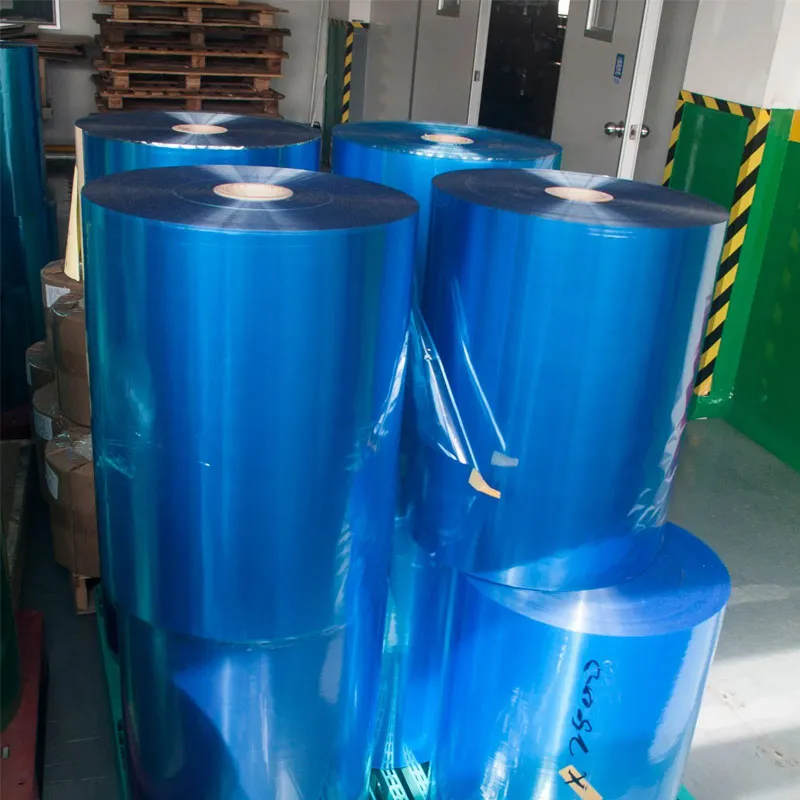
Ethylene vinyl acetate (EVA) film has been a common encapsulant in photovoltaic (PV) modules for decades. This article explains when EVA is suitable for solar panels, the benefits and limitations, alternative materials, selection criteria, and practical tips for installers and buyers.
EVA offers excellent optical clarity, good adhesion to glass and solar cells, and reliable electrical insulation when properly formulated and crosslinked during lamination. These properties make it a cost-effective choice for crystalline silicon modules and many thin-film designs.
High visible light transmission—keeps sunlight reaching solar cells with minimal loss.
Strong adhesion after lamination—reduces the risk of cell movement and micro-cracking.
Good electrical insulation—protects cells and interconnects from moisture and contaminants.
Economic advantage—generally lower material cost and well-established manufacturing processes.
EVA is ideal for conventional framed crystalline silicon modules and many glass-backsheet or glass-glass constructions. It is used in both rooftop and utility-scale panels where established production lines and proven lamination procedures exist.
| Property | EVA | POE | PVB |
|---|---|---|---|
| Optical Clarity | High | High | Good |
| UV & Long-Term Stability | Medium (improvements with stabilizers) | High | Medium |
| Moisture Sensitivity | Higher | Lower | Medium |
| Cost | Lower | Higher | Medium |
| Processing / Lamination | Established, requires crosslinking via heat/pressure | Requires controlled conditions, compatible with modern lines | Specific lamination profile needed |
Although EVA performs well initially, long-term issues reported in some modules include yellowing or browning under prolonged UV exposure, potential delamination if lamination quality is poor, and moisture ingress over many years. Modern EVA formulations contain stabilizers and improved additives to mitigate these effects, but material selection and quality control are critical.
UV radiation, elevated module temperatures, and high moisture levels can accelerate chemical changes in EVA films that reduce optical transmission and adhesion. Inadequate lamination parameters (temperature, pressure, time) or contaminants during manufacturing increase failure risk.
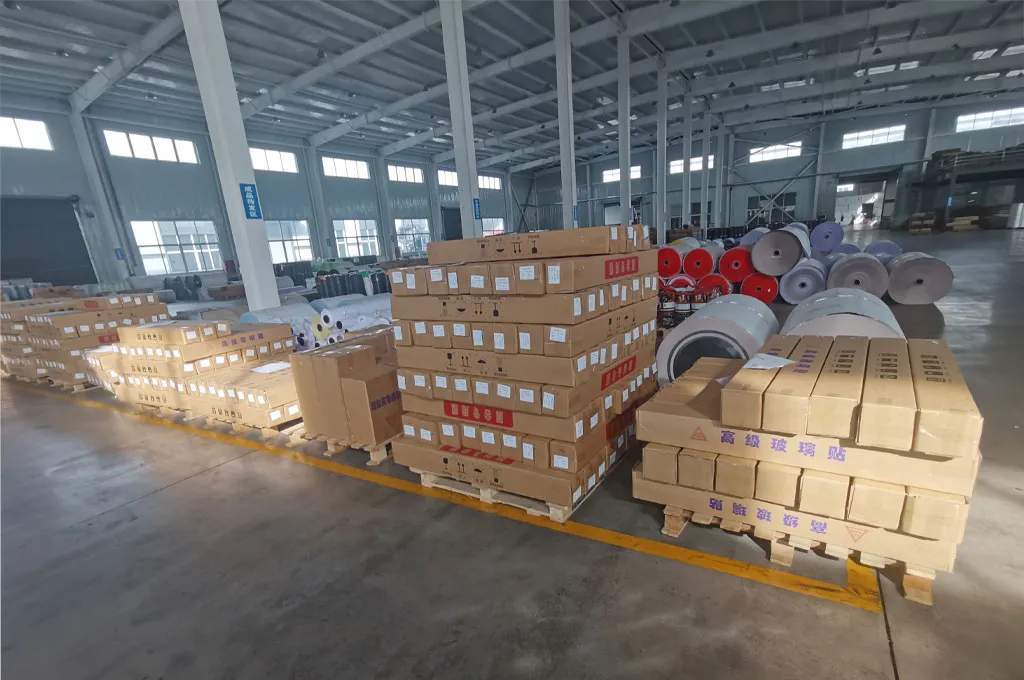
Site climate: In hot, high-UV or high-humidity regions, choose stabilized EVA grades or consider POE for maximum longevity.
Module lifespan expectations: For 25+ year warranties, confirm accelerated aging test results and supplier track record.
Budget and manufacturing setup: EVA is cost-effective and works well with established lamination lines; alternatives like POE can raise BOM and process complexity.
Ask suppliers for: IEC 61215 / IEC 61730 test reports, damp heat and UV exposure data, chemical additive list (UV stabilizers), recommended lamination profile, and field performance references.
Ensure factory lamination under controlled conditions—proper heat, pressure, and cleanliness are essential. During installation, avoid bending panels sharply and protect edges from mechanical damage. Regular visual inspections for discoloration, edge delamination, or moisture pockets help catch early problems.
Choose POE if your priority is superior UV/moisture resistance and long-term optical retention, especially in extreme climates or bifacial/frameless glass-glass modules. Consider cost, compatibility with existing manufacturing lines, and backsheet/glass pairing before switching materials.
Ensure encapsulant materials and finished modules pass key accelerated tests: damp heat (85°C / 85% RH), thermal cycling, UV preconditioning, mechanical load, and PID resistance where applicable. Third-party certification or lab reports add confidence.
EVA film remains a solid, economical choice for many PV modules when using modern, UV-stabilized formulations and strict lamination quality control. For harsher climates or premium longevity, consider POE or other advanced encapsulants and weigh trade-offs in cost and manufacturing.
Henan Pulivk New Materials Co., Ltd. offers full in-house film production and OEM options, including calendered and laminated film products—visit pvcfilmtec.com for details.