Address
304 North Cardinal St.
Dorchester Center, MA 02124
Work Hours
Monday to Friday: 7AM - 7PM
Weekend: 10AM - 5PM
Address
304 North Cardinal St.
Dorchester Center, MA 02124
Work Hours
Monday to Friday: 7AM - 7PM
Weekend: 10AM - 5PM


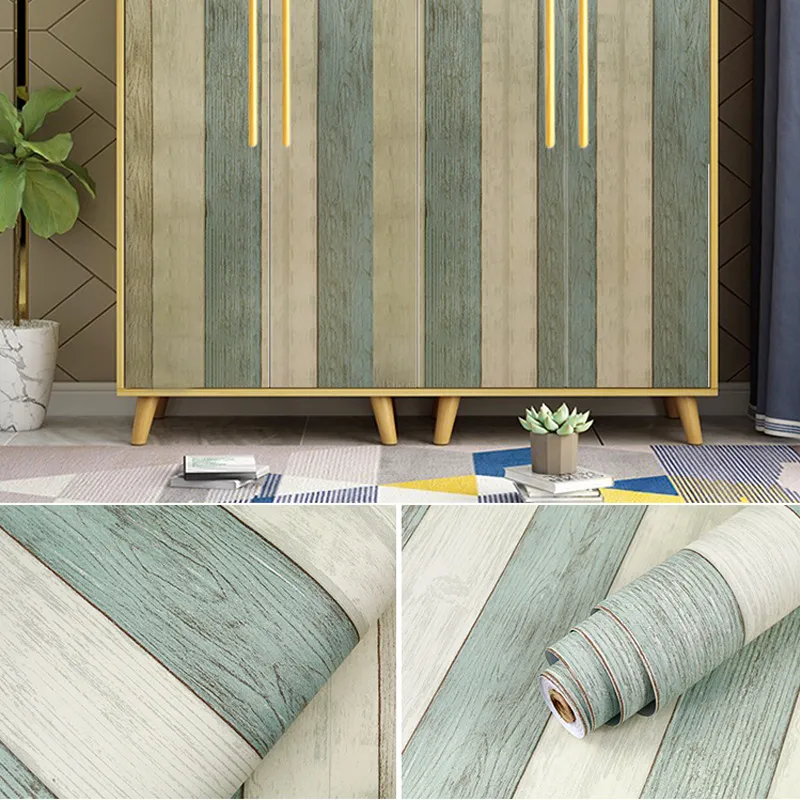
A waterproof breathable membrane (WBM) is a thin layer that keeps liquid water out while allowing water vapor to pass through. Used across construction, outdoor gear and medical products, these membranes balance protection and moisture control—helping structures stay dry and people stay comfortable.
Waterproof breathable membranes rely on pore size or chemical structure. Microporous membranes block liquid water droplets but let vapor molecules diffuse through tiny channels. Hydrophilic (non-porous) membranes chemically transport moisture from the warm, humid side to the drier side. Both strategies achieve the same goal: stop bulk water while permitting vapor exchange.
Usually made from PTFE or polyolefin blends, these membranes have tiny pores that are too small for liquid water but large enough for vapor molecules. They are common in high-performance outdoor apparel and technical building wraps.
These membranes move vapor via molecular diffusion without pores. They can be more tear-resistant and less prone to clogging in dusty environments, making them popular for some roofing and medical films.
In walls and roofs, a waterproof breathable membrane prevents rain infiltration while letting moisture from inside escape—reducing mold risk and protecting insulation performance.
Flooring protective films and skirting membranes often combine water resistance with breathability to avoid trapped moisture that can delaminate finishes or encourage mildew.
Jackets, footwear and tents use breathable membranes to keep users dry from external rain while allowing sweat vapor out—critical for comfort in active use.
Breathable yet waterproof films are used in wound dressings and medical garments to provide a sterile, moisture-controlled environment while reducing maceration risk.
| Property | Typical Range / Unit | Where It Matters |
|---|---|---|
| MVTR | 500–20,000 g/m²·24h | Apparel, tents, building wraps |
| Hydrostatic Head | >5,000 mm preferred for harsh exposure | Roofs, facades |
| Tensile / Tear Strength | Varies by film/laminate | Installation durability |
Consider exposure, installation method, local climate and required lifespan. For humid climates pick a high MVTR to avoid trapped moisture; for exposed roofs choose membranes with high hydrostatic head and UV resistance. Always check compatibility with adhesives, sealants and adjacent materials.
Membrane materials vary in recyclability. Selecting products with lower environmental impact or that support take-back/recycling programs helps reduce waste. For long-term sustainability, prioritize durability—longer-lasting membranes mean fewer replacements and less landfill.
No—by design a waterproof breathable membrane allows vapor transfer. If total vapor blocking is required, a vapor barrier (non-breathable) is used instead.
Exposure to contamination, oils or physical clogging can reduce MVTR. Proper protection, cleaning where appropriate and correct product selection minimize performance loss.
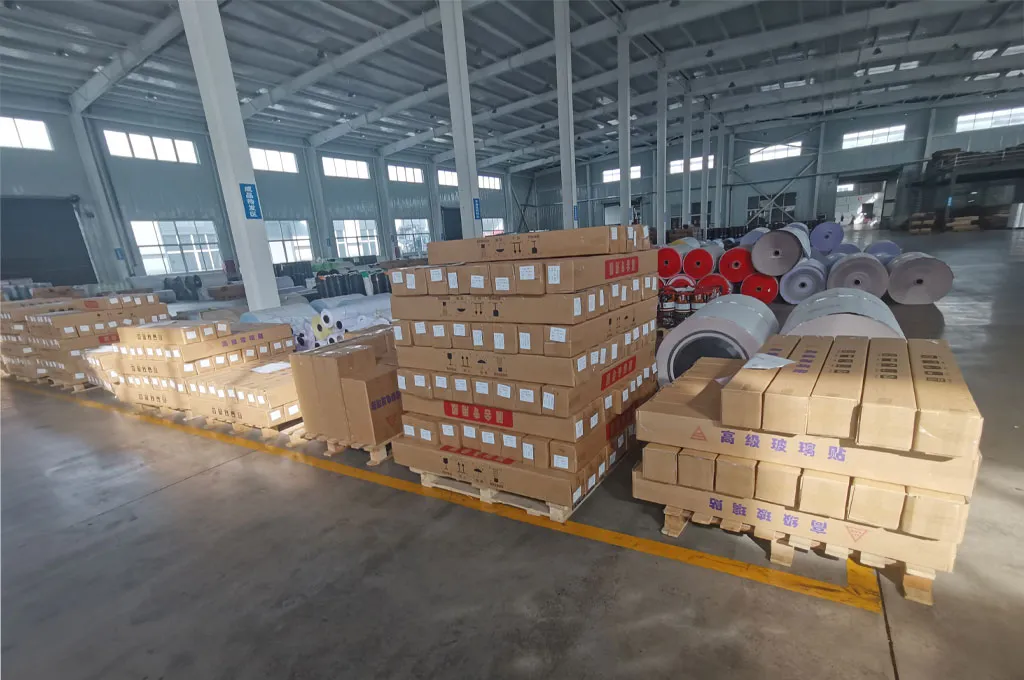
For industrial supply chains and OEM projects, work with manufacturers who control production steps—raw material handling, calendering, printing and split-packaging—to ensure consistent quality, reliable lead times and OEM customization.
Henan Pulivk New Materials Co., Ltd. — Pulivk provides in-house calendering, printing and split-packaging to support tailored waterproof breathable films and related PVC film products.