Address
304 North Cardinal St.
Dorchester Center, MA 02124
Work Hours
Monday to Friday: 7AM - 7PM
Weekend: 10AM - 5PM
Address
304 North Cardinal St.
Dorchester Center, MA 02124
Work Hours
Monday to Friday: 7AM - 7PM
Weekend: 10AM - 5PM


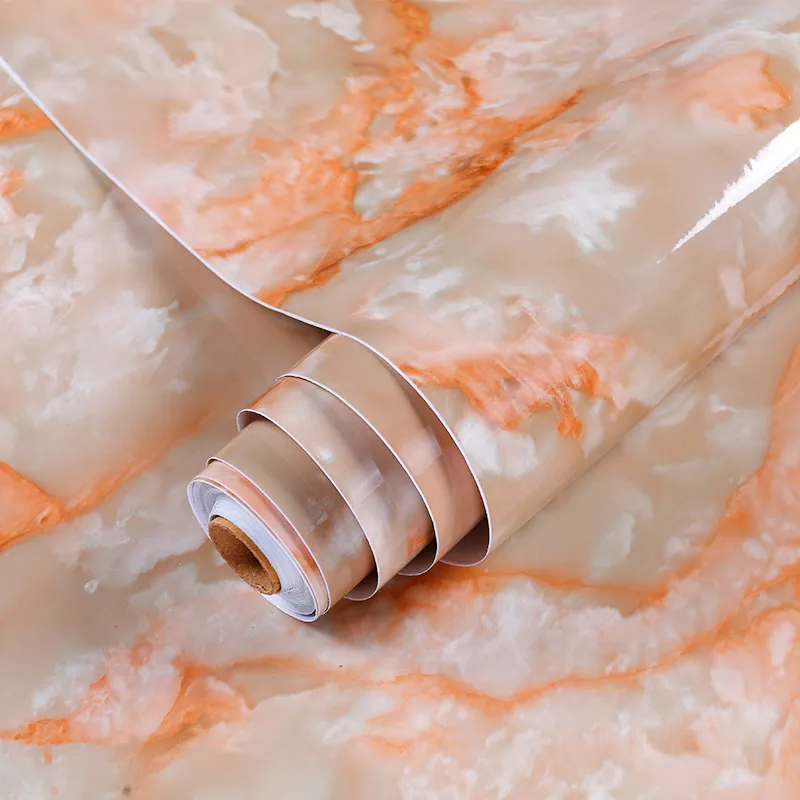
PVC film surface hardness is a key factor that defines durability, scratch resistance, and overall performance in applications from furniture wrap to protective masking. Understanding the common hardness grades, how they’re measured, and what they mean for real-world use helps specifiers, buyers, and installers choose the right product for each job.
Most PVC film hardness is described by Shore hardness scales. Shore A is used for softer, more flexible films while Shore D applies to harder, semi-rigid films. Test methods give a numerical score that correlates with resistance to indentation and initial scratch performance—important when films are exposed to handling, cleaning, or traffic.
Hardness affects how a film responds to wear and abuse. Lower hardness</ films conform better to curved surfaces and offer flexibility during installation, while higher hardness films provide superior scratch and abrasion resistance—ideal for high-contact surfaces like kitchen fronts or floor protection.
– Soft (lower Shore A): excellent conformability, better for wrapping curved furniture, but more prone to scuffs.
– Medium (mid Shore A): balanced flexibility and durability, commonly used for general-purpose decorative films.
– Hard (high Shore A / Shore D): strong scratch resistance, best for high-traffic areas and protective overlays.
The table below summarizes typical PVC film surface hardness grades, measured ranges, and recommended uses. Use it as a starting point when matching film properties to an application.
| Grade | Typical Shore Range | Key Characteristics | Best Uses |
|---|---|---|---|
| Soft | Shore A 60–70 | High flexibility, good conformability, lower abrasion resistance | Curved furniture wraps, temporary protection, flexible decals |
| Medium | Shore A 70–85 | Balanced flexibility and durability, easy installation | Decorative wall films, wardrobe/closet doors, moderate-traffic surfaces |
| Hard / Semi-rigid | Shore D 30–60 (or high Shore A) | Excellent scratch and abrasion resistance, less conformable | Floor films, kitchen fronts, protective overlays in public spaces |
| Coated / UV-hardened | Varies – surface coating influence | Very high surface hardness and chemical resistance from coatings | Premium furniture finishes, anti-scratch surfaces, outdoor applications |
1. Consider the substrate shape: choose softer films for complex curves and edges.
2. Anticipate use: high-contact areas need harder or coated films for longevity.
3. Evaluate cleaning and chemicals: surfaces cleaned often should use more chemical-resistant or coated films.
4. Test samples: always request samples to check adhesion, finish, and scratch resistance under real conditions.
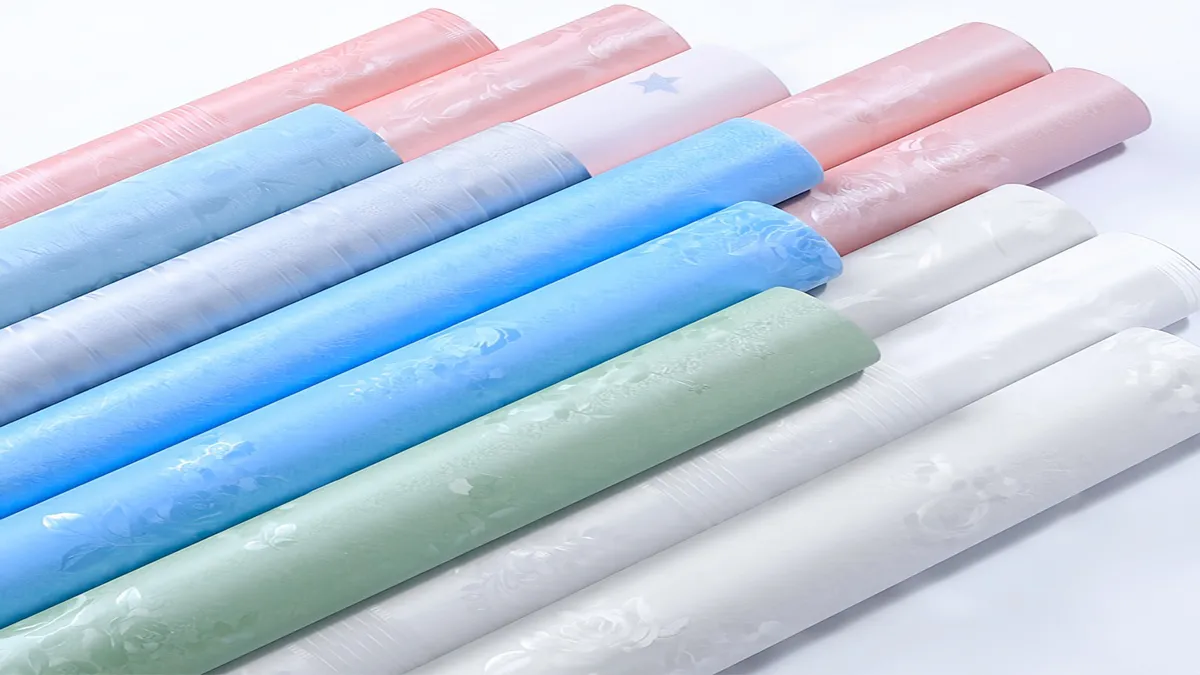
Proper installation greatly influences perceived hardness performance. Trapped dust, improper adhesion, or sharp tools during installation can cause scratches regardless of hardness. Routine maintenance—gentle cleaning agents, microfiber cloths, and avoiding abrasive pads—extends service life significantly.
Use coated or UV-cured top layers when maximum surface hardness and chemical resistance are required. These treatments increase scratch resistance and ease of cleaning, making them ideal for commercial environments and kitchens.
Choose suppliers who control production and testing in-house to ensure consistent hardness and finish across batches. Pulivk offers full in-house production—calendering, printing, and split-packaging—enabling consistent quality and reliable lead times for custom orders and large projects. Visit https://pvcfilmtec.com/ for details.
– Define expected wear and cleaning frequency.
– Choose a hardness grade that balances formability and abrasion resistance.
– Ask for test reports or samples showing Shore hardness and coating performance.
– Confirm packing and split-roll options to suit installation workflow.
Understanding PVC film surface hardness helps you match film selection to functional demands—whether flexibility for complex wrapping or high surface hardness for long-lasting protection. By combining correct grade selection, proper installation, and recommended maintenance, you ensure the best performance and value for your project.