Address
304 North Cardinal St.
Dorchester Center, MA 02124
Work Hours
Monday to Friday: 7AM - 7PM
Weekend: 10AM - 5PM
Address
304 North Cardinal St.
Dorchester Center, MA 02124
Work Hours
Monday to Friday: 7AM - 7PM
Weekend: 10AM - 5PM


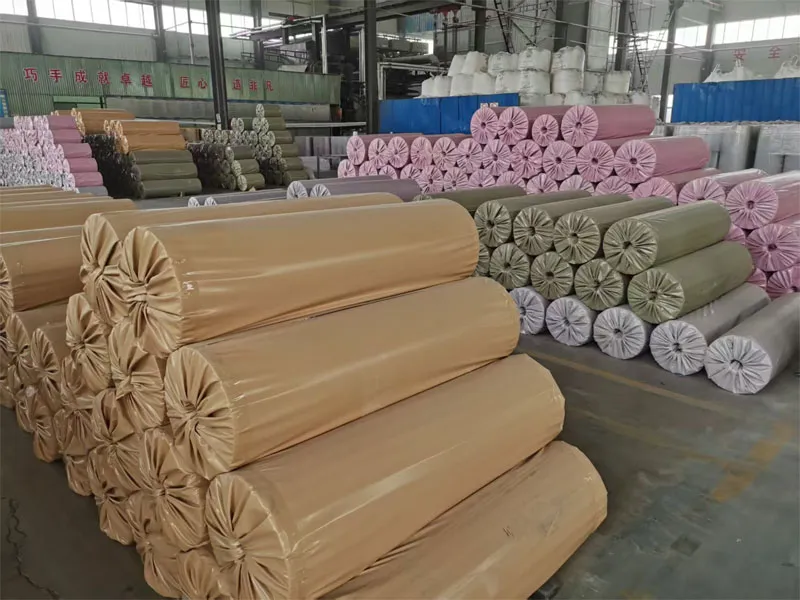
High defective rates in PVC film production cause wasted material, delayed shipments, and unhappy customers. This guide breaks down the most common defects, root causes, and practical steps manufacturers and quality teams can implement to reduce failure rates and boost yield.
Blisters and bubbles: Gas entrapment or improper cooling leads to raised pockets under the film surface.
Gel spots and contamination: Undispersed polymer or foreign particles create visible specks and weak points.
Gauge variation: Non-uniform thickness causes weak areas, warping, and inconsistent appearance.
Surface imperfections: Scratches, roll marks, or melt lines from rollers and rollers’ damage affect printability.
Poor adhesion or delamination: Multi-layer films that don’t bond properly after lamination or printing.
Inconsistent PVC resin, plasticizer grades, or recycled content can introduce gels, weak spots, and variable melt flow. Contaminated additives lead to specks and discoloration.
Incorrect melt temperature, roller gap, cooling rate, or line speed causes gauge variation, bubbles, or thermal degradation. Small deviations compound across long runs.
Worn calender rollers, uneven roll surfaces, misaligned dies, or clogged extrusion ports produce surface defects, drag marks, and inconsistent thickness.
Poor ink formulation, wrong drying temperature, or incompatible adhesives cause poor adhesion, tackiness, and delamination under stress.
Operators who are not trained to detect early signs of instability or who bypass checks increase scrap. Inadequate SOPs and shift handover issues also raise defects.
Humidity, UV exposure, or rough handling during split-packaging and transport cause surface blemishes and edge damage—especially for thin films.
Standardize raw material specs: Define strict supplier specifications, require certificates, and perform incoming QC tests for melt flow, ash, and contamination.
Optimize and document process windows: Create tight parameter ranges for extrusion temperature, calender roller gaps, and line speed. Use SPC (statistical process control) to flag drift.
Upgrade preventive maintenance: Scheduled roller polishing, alignment checks, and extrusion die inspections reduce roll marks and melt lines.
Improve print & lamination controls: Validate ink/adhesive compatibility and set drying curves. Use pilot runs before full production for new formulations.
Invest in operator training: Teach defect recognition, root-cause basics, and immediate corrective actions. Empower operators to stop the line when needed.
Control storage environment: Use humidity/temperature-controlled storage, dust-proof wrapping, and clear handling procedures during split-packaging.
Implement final inspection & sampling: Adopt AQL sampling plans and a simple scoring matrix for visible and functional defects before shipping.
| Defect | Likely Cause | Corrective Action |
|---|---|---|
| Bubbles / Blisters | Trapped gas, rapid cooling | Adjust venting, slow cooling stages |
| Gauge variation | Roller wear, speed mismatch | Roller regrind, SPC control |
| Gel spots | Poor dispersion, contaminated resin | Incoming resin testing, better filtration |
| Delamination | Incorrect adhesive or cure | Test adhesive compatibility, adjust cure profile |
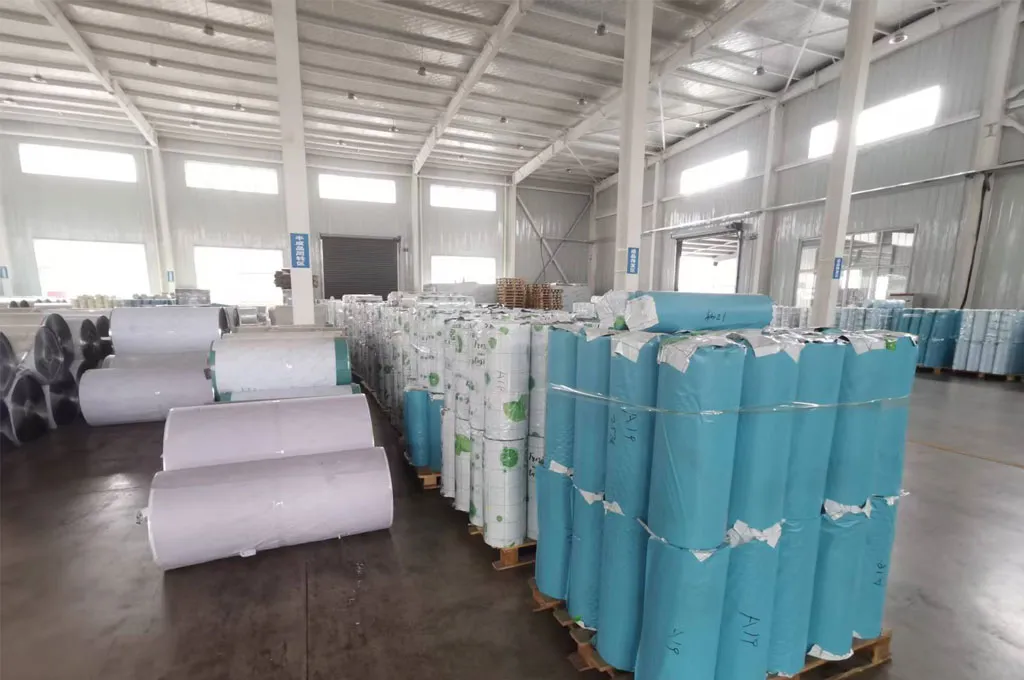
Incoming QC: melt flow, ash, visual contamination, and batch traceability for each resin lot.
Process control: Track roller gap, melt temp, line speed, and cooling temperatures with alarms outside the target window.
Inspection metrics: Target <1% defect rate for finished film (benchmark varies by product). Track scrap rate, first-pass yield, and customer returns monthly.
Audit & continuous improvement: Monthly root-cause analyses for out-of-spec runs and documented corrective actions to reduce recurrence.
A mid-size production line reduced visual defects by 35–50% by tightening resin acceptance criteria, scheduling weekly roller maintenance, and implementing a two-person sign-off for parameter changes. Small investments in filtration and an inline thickness gauge delivered quick ROI by lowering scrap and rework costs.
Reducing PVC film defects is a mix of material control, disciplined process management, equipment upkeep, and operator competence. Measurable improvements come from consistent data collection and fast corrective loops.
For production partners seeking full in-house control—from calendering and printing to split-packaging—Pulivk offers integrated capabilities to improve quality, lead time, and cost-efficiency. Visit https://pvcfilmtec.com/ for more information.