Address
304 North Cardinal St.
Dorchester Center, MA 02124
Work Hours
Monday to Friday: 7AM - 7PM
Weekend: 10AM - 5PM
Address
304 North Cardinal St.
Dorchester Center, MA 02124
Work Hours
Monday to Friday: 7AM - 7PM
Weekend: 10AM - 5PM


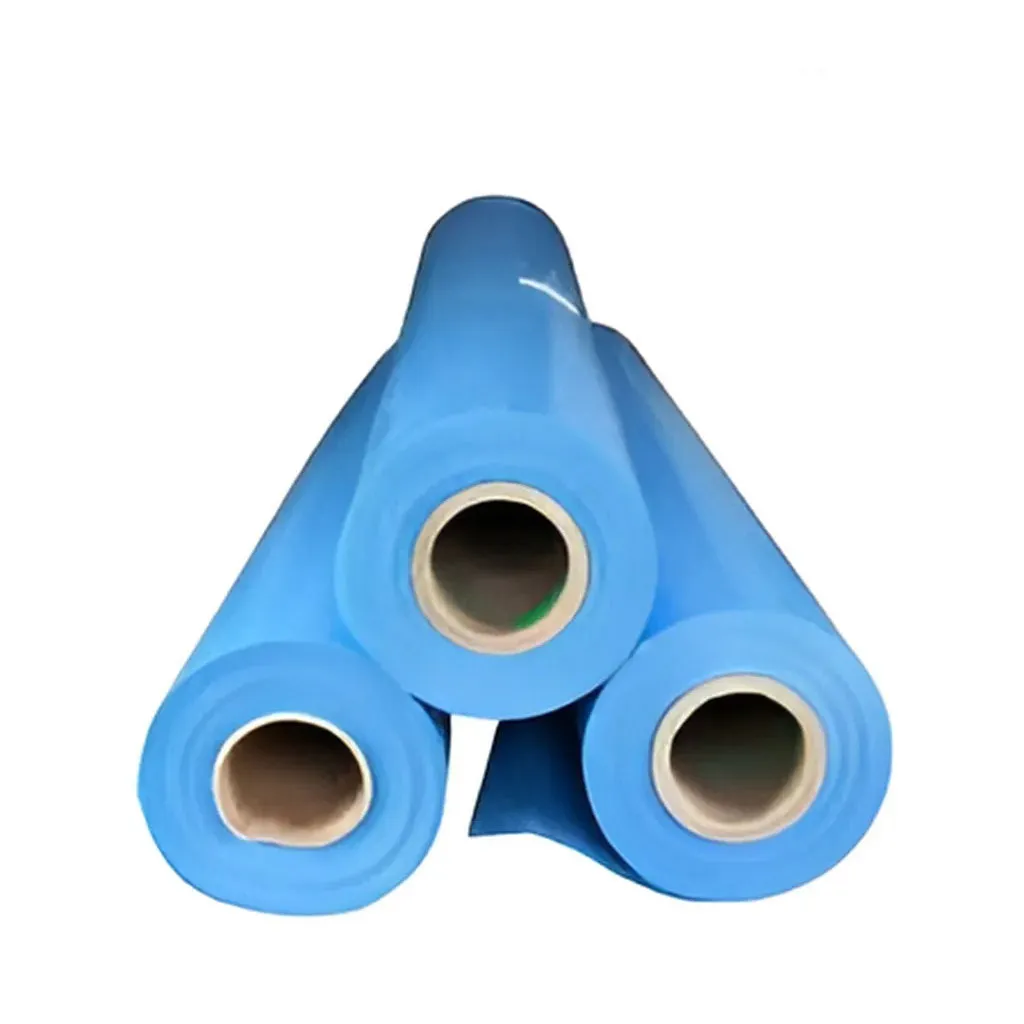
PE stretch wrap is one of the most common solutions for pallet load containment. This guide explains when polyethylene (PE) stretch film is suitable for pallets, how to choose the right film type and gauge, and best practices to protect cargo during storage and transport.
PE (polyethylene) stretch wrap is an elastic film that stretches around palletized goods to secure loads, reduce product movement, and protect from dust and light moisture. It relies on film elasticity and cling to stabilize stacked boxes, drums, or mixed loads.
Hand stretch film – thin rolls, ideal for low-volume manual wrapping. Machine stretch film – pre-stretched or cast films for automatic or semi-automatic wraps with consistent tension. Blown stretch film – higher puncture resistance and cling, suitable for sharper edges. Pre-stretched film – reduces force on the load and improves efficiency for high-speed lines.
Yes—in most cases. PE stretch wrap is the go-to choice for standard pallet loads thanks to its cost-effectiveness, flexibility, and ease of use. However, suitability depends on load type, weight distribution, environmental exposure, and transport method.
– Uniform box stacks and lightweight to medium-weight loads.
– Short- to medium-haul transportation (local and regional freight).
– Warehouse storage where basic protection from dust and light moisture is sufficient.
– Applications that prioritize speed and lower packaging cost.
– Very heavy or high-center-of-gravity loads that require strapping or corner boards.
– Ultra-long international sea voyages or extreme humidity where desiccants or vapor-barrier films are needed.
– Loads with very sharp edges—add edge protectors or use thicker blown film.
– When theft prevention is a priority—use tamper-evident film or combine with security seals.
Select film based on load weight, pallet dimensions, and handling conditions. Gauge (thickness), film type, width, and cling properties matter most.
| Feature | Recommendation |
|---|---|
| Gauge (microns) | Light loads: 8–12µm; Medium: 15–20µm; Heavy/protection: 23–35µm |
| Film Type | Blown for puncture resistance; cast for clarity and uniform cling; pre-stretched for high-speed machines |
| Width | Common: 500mm–750mm for manual; 750mm–1500mm for machines |
| Cling / Tack | Higher cling for unstable loads; standard cling for box-to-box wrapping |
Follow a consistent method to maximize load stability and minimize film use.
Start by securing the film to the pallet base (two turns around pallet deck) and then wrap up the load at least two full revolutions around the bottom to create a stable base.
Use appropriate tension—enough to compress and stabilize but not so tight that it deforms cartons. Apply 3–6 overlapping layers for light loads; 6–12 or more for heavier or irregular items. For machine wrapping, set carriage speed and pre-stretch to balance cling and film economy.
Secure the top with 2–3 passes and anchor the film back to the base. Add corner protectors or banding where needed to avoid crushing edges. For moisture-sensitive goods, consider a water-resistant film or top sheet.
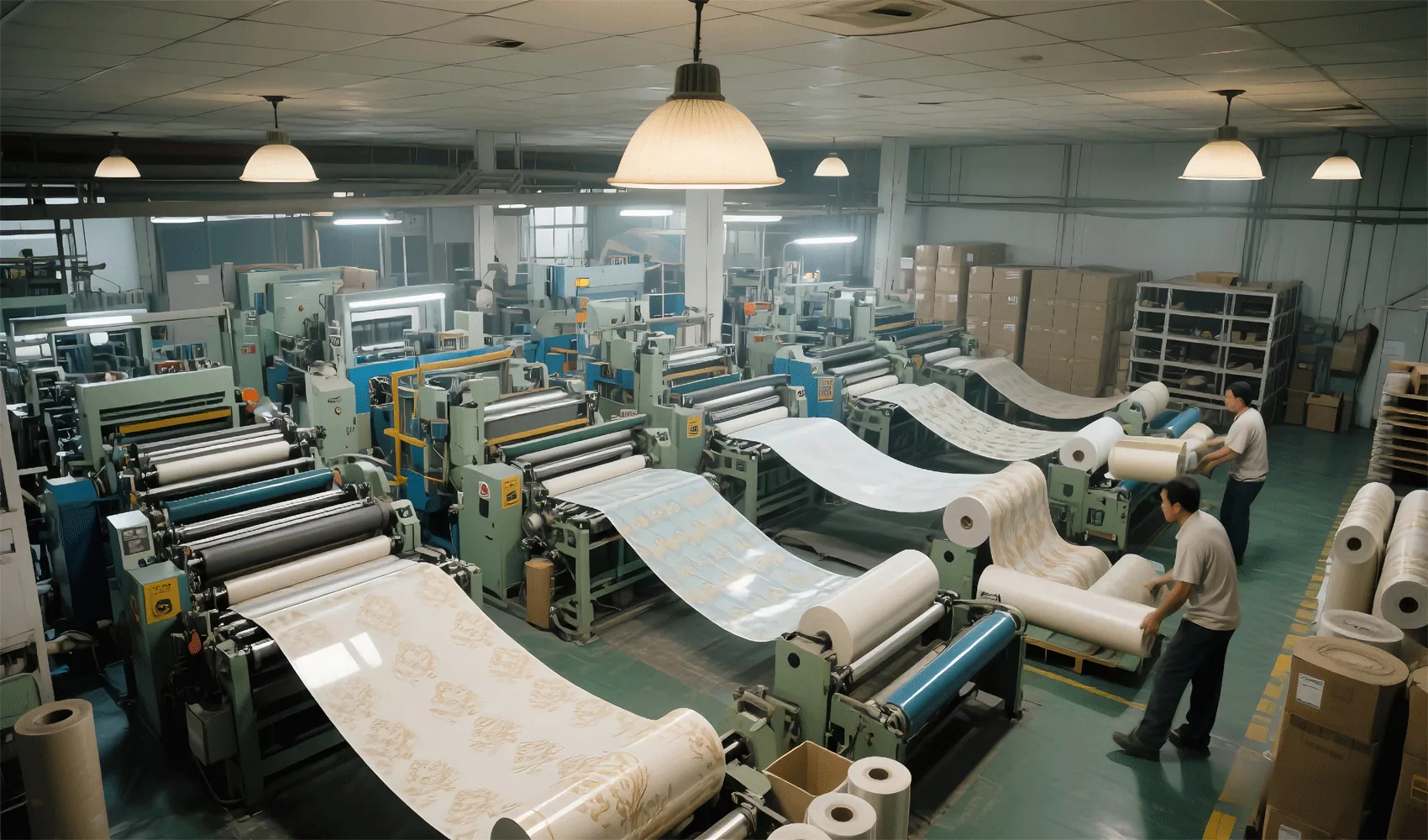
PE stretch film often outperforms alternatives in flexibility and cost, but pairing methods yields best results.
Shrink wrap provides a tighter barrier against moisture and tampering after heat application but needs heat tunnels and is less forgiving on irregular shapes. Stretch wrap is faster and more economical for palletized loads.
Combine stretch wrap with polypropylene or steel strapping for very heavy or stacked loads. Use shrink overwrap when weatherproofing and theft deterrence are critical.
PE stretch film is generally cost-effective and available in recyclable grades. Thinner, higher-performance films reduce material usage and freight weight. Recycled-content films and proper film removal at the destination support circular packaging goals.
– Use pre-stretch machines where volume supports investment to cut film use by 30–50%.
– Train operators on tension and overlap to avoid wasted layers.
– Choose blown film for reusability and puncture resistance in return shipments.
– Film breaks during wrapping: increase ply/gauge or switch to blown film.
– Load shifts in transit: add more top wraps, reduce top-heavy packing, or use bands.
– Film slip on smooth surfaces: add anti-slip coatings, corner boards, or use film with higher cling.
Confirm pallet integrity, weight distribution, corner protection, and enough film overlap. Label and secure loose components inside pallets.
For custom film sizes, gauges, or OEM labeling, Pulivk (https://pvcfilmtec.com/) offers full in-house production and flexible OEM/customization to meet packaging line needs.