Address
304 North Cardinal St.
Dorchester Center, MA 02124
Work Hours
Monday to Friday: 7AM - 7PM
Weekend: 10AM - 5PM
Address
304 North Cardinal St.
Dorchester Center, MA 02124
Work Hours
Monday to Friday: 7AM - 7PM
Weekend: 10AM - 5PM


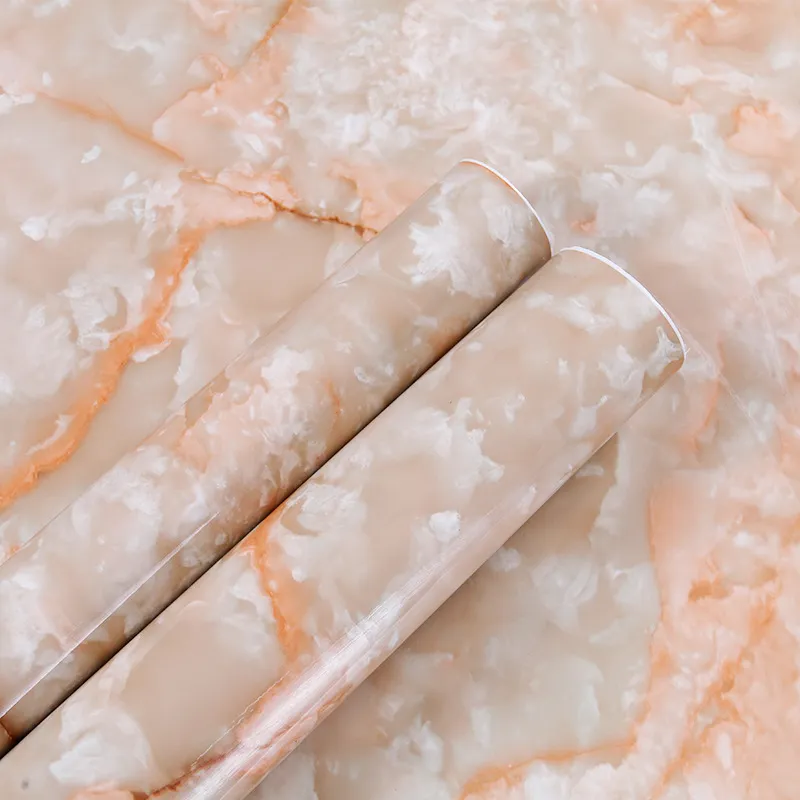
PVC film is a versatile, cost-efficient material increasingly used as glass window film for homes, offices, retail and commercial projects. This article explains when PVC film is appropriate for window applications, its main benefits, common uses, selection tips, and practical installation and maintenance advice to help you make an informed decision.
PVC film is a thin, polymer-based sheet produced in a wide range of finishes—transparent, frosted, patterned, metallic or printed. It can be supplied self-adhesive or as a privacy/laminating layer. For glass windows, PVC film provides an economical way to add privacy, decorative finishes, solar control and surface protection without replacing glazing.
Low cost compared with etched glass or specialty glazing, easy to apply or remove, and available in many finishes. UV-stable grades provide sun control while printed films can mimic frosted, sandblasted, or textured glass at a fraction of the price.
| Benefit | How it Helps |
|---|---|
| Privacy | Opaque and frosted films obscure sightlines while allowing light through. |
| Glare & Heat Reduction | Tinted and reflective PVC films reduce solar gain and indoor glare. |
| Aesthetic Flexibility | Printed and textured films mimic glass finishes (frost, marble, wood grain). |
| Safety & Protection | Clear protective films add a sacrificial layer to prevent scratches and minor impact damage. |
| Cost & Speed | Faster installation and lower upfront cost than glass replacement or acid-etching. |
PVC film suits many applications: interior office partitions, shopfront signage backgrounds, bathroom and shower screens, conference rooms, storefront privacy bands, and temporary protective layers during renovation. It’s especially popular for retail displays and hospitality interiors where design flexibility matters.
PVC films are not a full replacement for high-performance low-e glazing or laminated safety glass where structural safety, full ballistic or hurricane performance is required. For long-term outdoor-exposed windows in extreme climates, choose specialized exterior-grade films or consult glazing professionals.
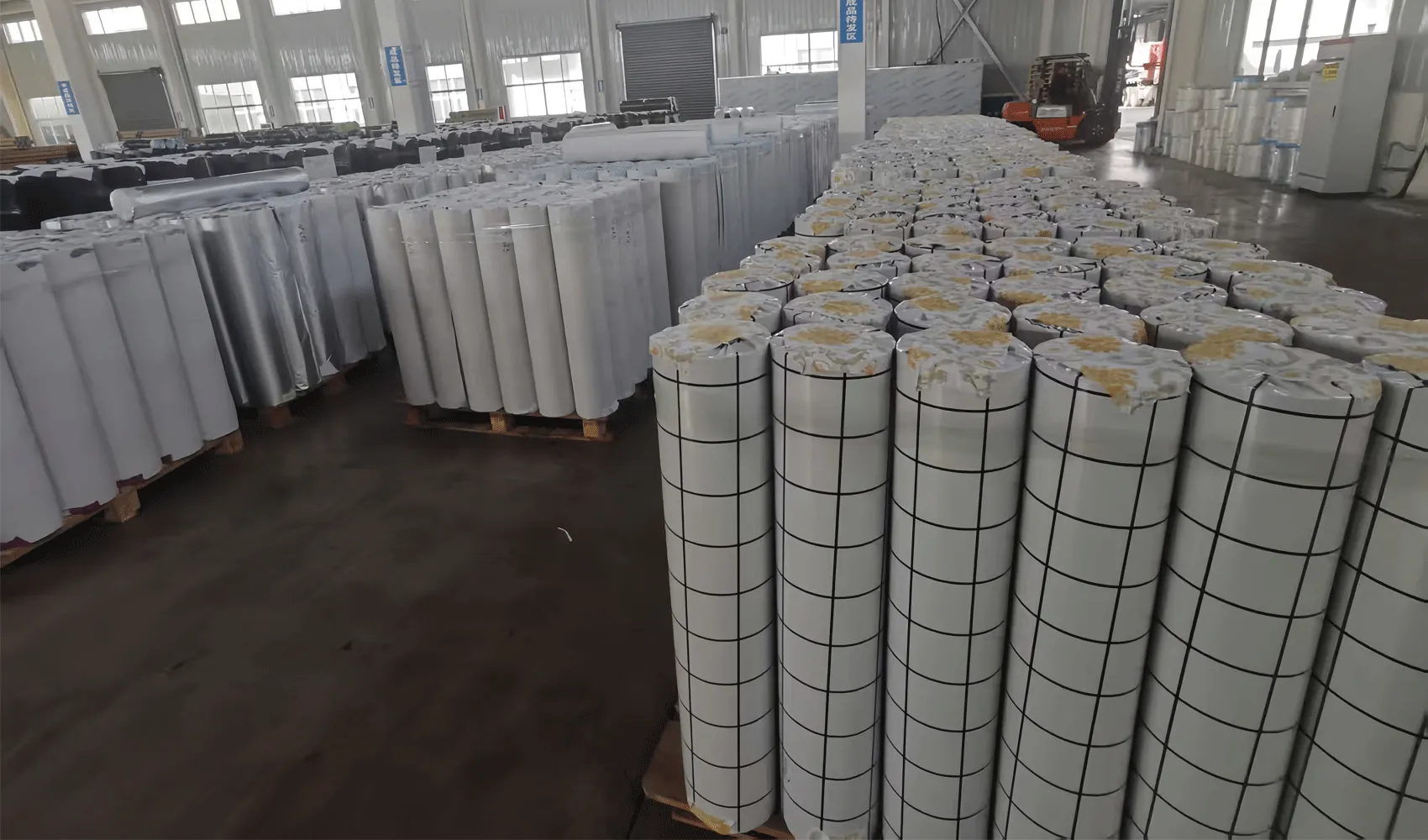
Choosing the right type depends on function and location. Typical options include:
| Film Type | Thickness & Performance | Best Use |
|---|---|---|
| Clear protective | 40–200 µm; scratch resistant | Temporary protection, retail displays |
| Frosted | 50–150 µm; light diffusion | Bathrooms, offices, partitions |
| Tinted/reflective | 75–200 µm; UV/heat control | Sun-facing windows, glare reduction |
| Printed/textured | Varied; decorative | Branding, interior design, hospitality |
Good installation determines longevity. Follow these practical tips for DIY or professional fits.
Use a clean spray bottle with water + a few drops of dish soap, a squeegee, utility knife, tape measure, lint-free cloth, and a heat gun for stubborn bubbles or patterned films.
1. Measure twice and cut a film panel slightly larger than the glass. 2. Thoroughly clean glass—remove grease, dust, and residues. 3. Mist the glass with the soapy water solution liberally. 4. Peel backing and wet the adhesive side of the film. 5. Position the film on the wet glass; slide it to align. 6. Use the squeegee from the center outward to push water and air out. 7. Trim the excess film with a sharp blade while film remains wet. 8. Use a heat gun on low to finish edges and remove micro-bubbles for textured films. 9. Allow 24–72 hours to fully adhere before heavy cleaning.
Clean PVC films gently with a soft cloth and mild, non-abrasive cleanser. Avoid ammonia or harsh solvents. For best life, select UV-stabilized films for sun-exposed façades and ensure proper edge sealing to stop moisture ingress. Typical indoor life ranges from 5 to 10 years depending on quality and exposure; premium grades last longer.
Small bubbles often dissipate within days; larger ones can be reworked by peeling, rewetting, and squeegeeing. Edges that peel may indicate insufficient adhesive contact—reapply or use an edge sealer. Yellowing or discoloration typically indicates low-grade PVC or prolonged UV exposure—choose UV-resistant films next time.
When sourcing PVC film, evaluate UV stability, adhesive type (removable vs permanent), thickness, and warranty. For OEM or bulk orders and reliable in-house manufacturing, consider manufacturers with full calendering, printing and split-packaging capabilities—Pulivk offers end-to-end PVC film production and flexible OEM support for custom colors, prints and sizes.
For best search visibility and results, use descriptive filenames for images (e.g., “frosted-pvc-window-film.jpg”), include short installation video clips, and add practical FAQ content focused on local use cases and climate considerations.