Address
304 North Cardinal St.
Dorchester Center, MA 02124
Work Hours
Monday to Friday: 7AM - 7PM
Weekend: 10AM - 5PM
Address
304 North Cardinal St.
Dorchester Center, MA 02124
Work Hours
Monday to Friday: 7AM - 7PM
Weekend: 10AM - 5PM


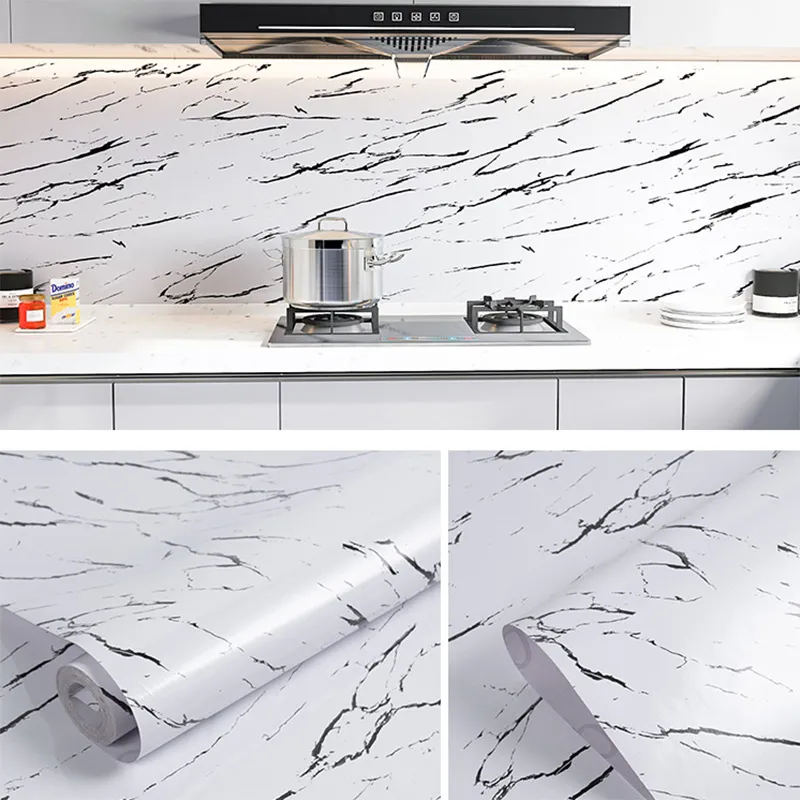
Is PVC decorative film scratch-resistant? The short answer: it depends. PVC decorative films come in many grades and finishes, and their resistance to scratches is driven by surface treatments, film thickness, and production methods. This guide explains what affects scratch performance, how manufacturers test films, practical buying tips, and how to maintain decorative PVC for long-lasting results.
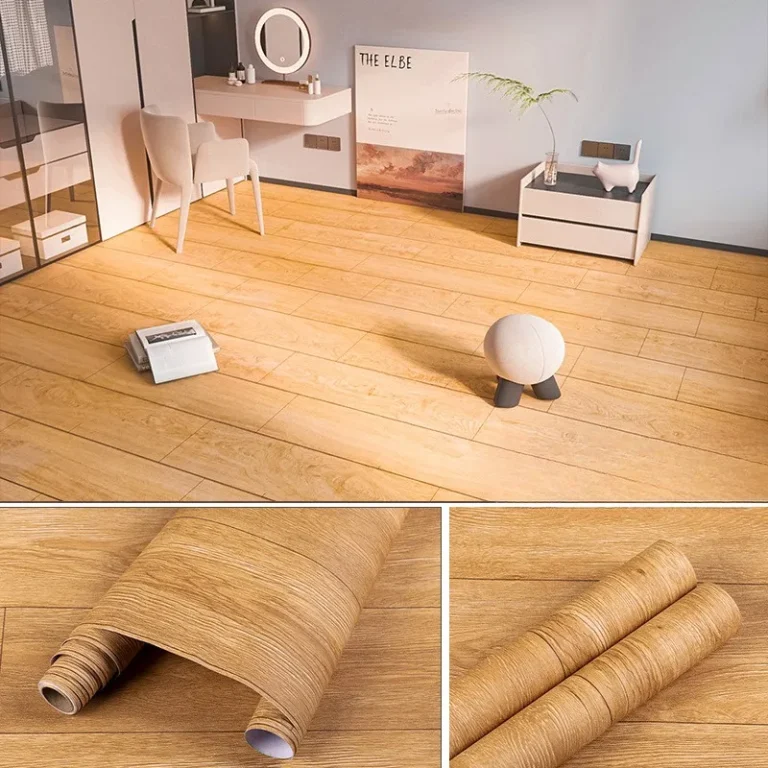
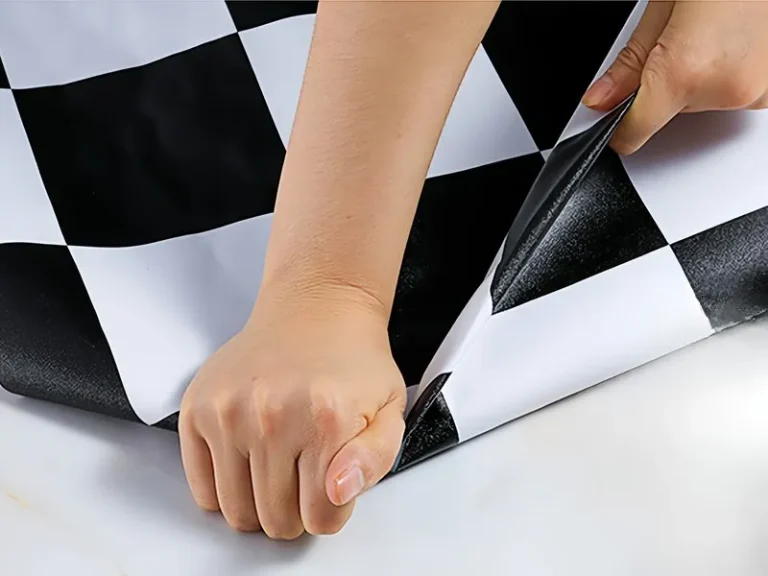
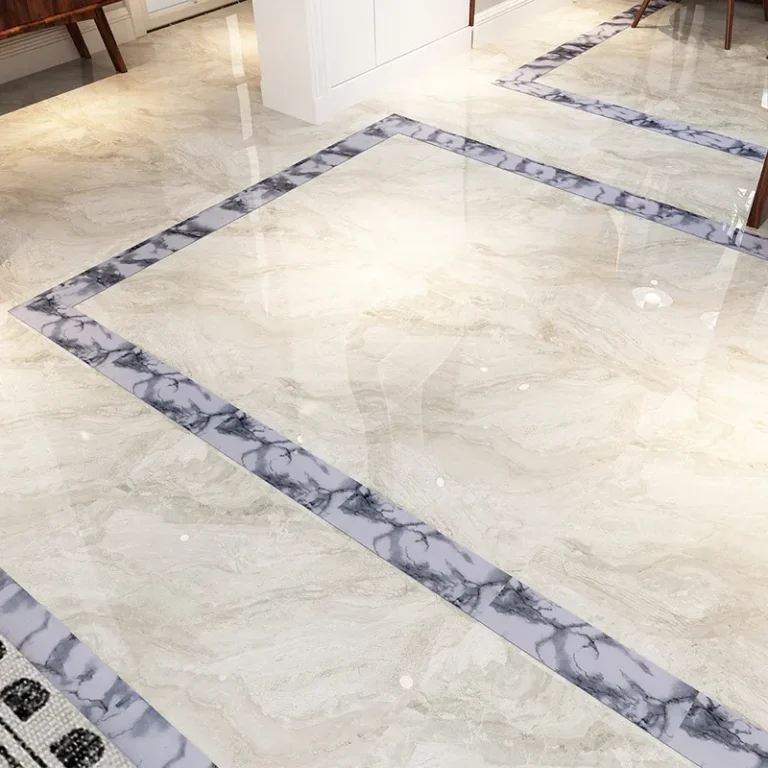
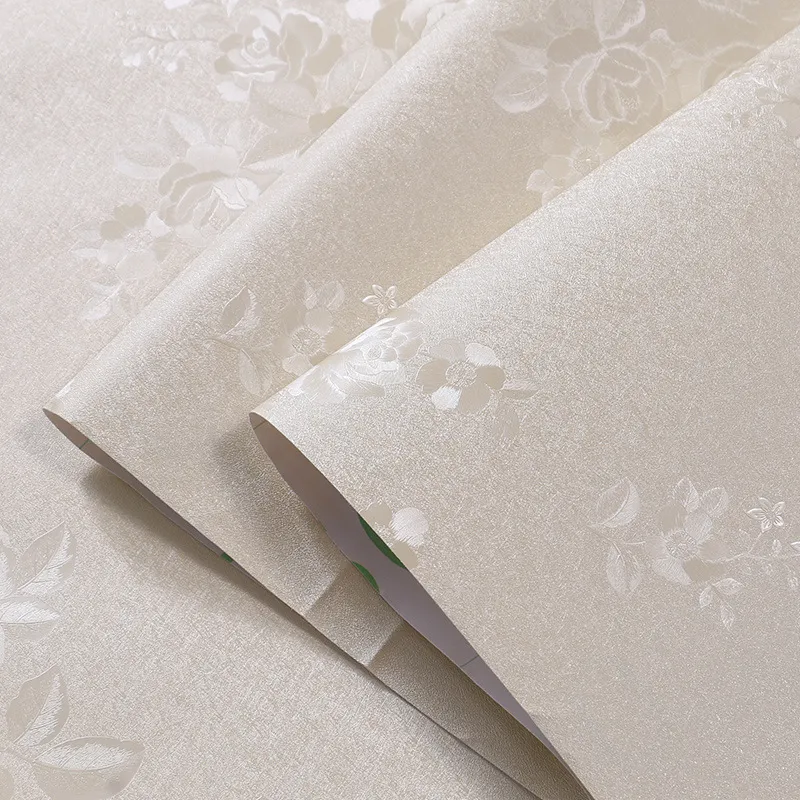
PVC decorative film is a thin polymer layer applied to furniture, doors, skirting boards, and panels to mimic wood, stone, metal, or solid colors. These films are produced in many textures—glossy, matte, embossed, and silk—so visual appeal and functional properties (like scratch resistance and waterproofing) vary widely.
No single PVC film is universally scratch-proof. Scratch resistance is a performance attribute added through surface coatings (hard-coat layers, UV-cured finishes, or anti-abrasion additives) and by adjusting film composition and thickness. Standard decorative PVC without a protective topcoat will be more vulnerable to scuffs and abrasions than films designed with anti-scratch technology.
Manufacturers use options such as UV-cured hard coats, polyurethane (PU) wear layers, and anti-scratch lacquers. These treatments increase surface hardness and abrasion resistance while preserving color and gloss. If scratch resistance is important, look for films explicitly labeled with a wear or hardness rating and ask about the topcoat chemistry.
Common industry tests include:
| Surface / Finish | Typical Scratch Resistance | Best Use |
|---|---|---|
| Glossy PVC (no hard coat) | Low – shows fine scratches | Decorative panels with low wear |
| Matte / Textured PVC with UV coat | Medium – hides light scuffs | Wardrobes, wall panels |
| PU / Hard-Coated PVC | High – resists daily abrasion | Kitchen cabinets, high-traffic furniture |
Routine cleaning with a soft microfiber and mild detergent keeps surfaces free of abrasive grit. For light surface marks, specialized plastic polishes can reduce visibility. Deep scratches may require professional re-coating or replacing the film panel. Avoid harsh solvents and scouring pads that will damage both film and coating.
When sourcing high-performance PVC decorative film, consider manufacturers with full in-house production, coating capabilities, and QC processes. For example, Pulivk (Henan Pulivk New Materials Co., Ltd., https://pvcfilmtec.com/) offers calendering, printing, and coating lines to control quality and deliver anti-scratch options at scale.
Q: Can I make any PVC film scratch-resistant? A: You can improve many films with a hard coat or UV cure, but existing installed films may be hard to upgrade without replacing the surface.
Q: Which finish hides scratches best? A: Textured or matte finishes conceal scuffs better than high-gloss surfaces.
If durability is a priority, ask suppliers for abrasion test data, topcoat chemistry, and real-world samples. Choosing the right film and finish will protect aesthetics and extend the life of decorated surfaces.