Address
304 North Cardinal St.
Dorchester Center, MA 02124
Work Hours
Monday to Friday: 7AM - 7PM
Weekend: 10AM - 5PM
Address
304 North Cardinal St.
Dorchester Center, MA 02124
Work Hours
Monday to Friday: 7AM - 7PM
Weekend: 10AM - 5PM


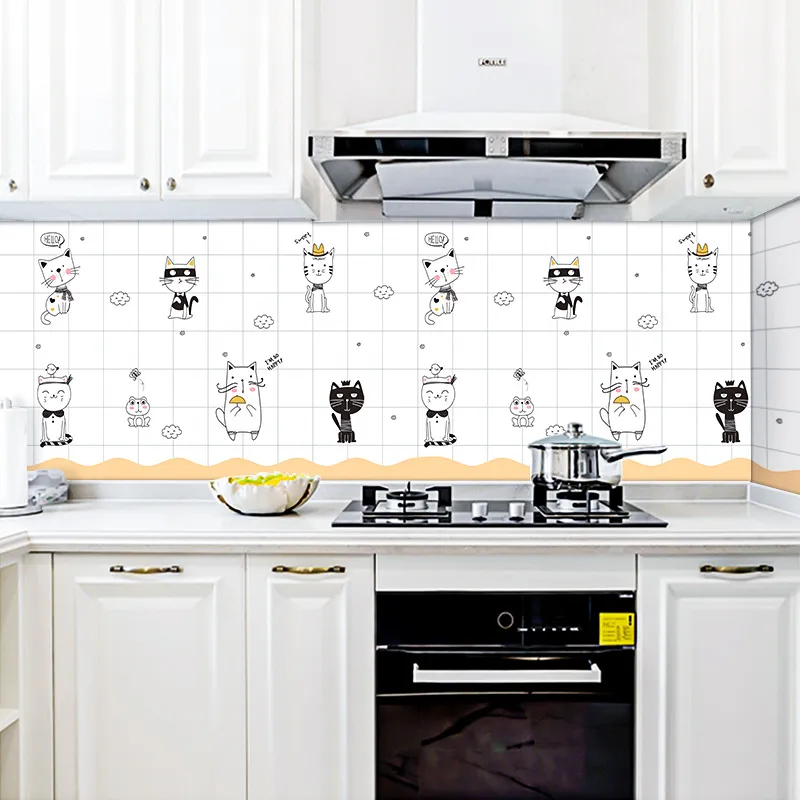
Choosing from today’s top PVC film manufacturers is not just about finding the lowest quote—it’s about securing consistent quality, stable lead times, compliant materials, and a supplier who can scale with your business. Whether you buy PVC film for furniture wrapping, wall panels, flooring, appliances, packaging, or medical-grade protection, the “right” manufacturer is the one that fits your performance targets, local compliance needs, and customization roadmap.
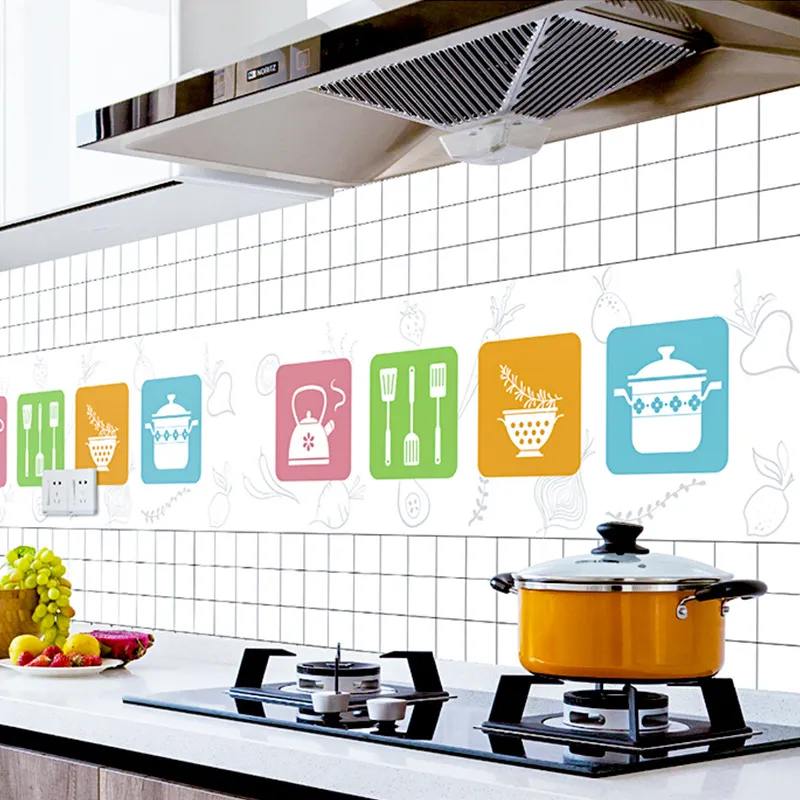
This guide breaks down how to evaluate PVC film suppliers across quality, pricing, and custom needs—with practical checklists you can apply to RFQs, samples, and factory audits.
The best manufacturers typically share a few non-negotiables: process control, repeatable materials, modern equipment, and a track record in your target industry. Look for suppliers that can clearly explain their production method (e.g., calendering), surface finishing, printing capabilities, and how they manage roll-to-roll consistency.
Key sign of a top-tier manufacturer: They control critical steps in-house—calendering, printing, slitting, and packaging—instead of outsourcing and hoping batches match.
“PVC film” is a broad category. Before comparing suppliers, define your application requirements: appearance, durability, adhesion, chemical resistance, and compliance. A supplier who excels at decorative wood-grain may not be the best for anti-static electronic protection.
Tip: If you’re sourcing for retail-facing interior decoration, prioritize color consistency and surface defect control. If you’re sourcing for industrial protection, prioritize mechanical performance and compliance documentation.
PVC film quality is multi-dimensional. A film can look good on day one but fail after lamination, cutting, transport, or months of use. When comparing manufacturers, ask for measurable specs, repeatable test methods, and batch traceability.
If your film is used in indoor environments, consumer products, medical/cleanroom packaging, or exported to regulated markets, request documentation. Strong manufacturers can support standards such as ISO 9001, ISO 14001, and material compliance like REACH, RoHS, and relevant FDA requirements for specific applications—plus third-party reports when needed.
What to request in an RFQ package:
PVC film pricing is influenced by resin cost, formulation, thickness, width, surface treatment, printing complexity, embossing, adhesive layers, packaging, and yield losses. If two quotes are far apart, investigate what is actually included—especially tolerances, coating weight, and defect acceptance standards.
Procurement note: The “cheapest” roll may become the most expensive if it causes lamination rejects, rework, customer complaints, or slow line speed. Align pricing comparisons with total landed cost: defect rate, lead time risk, and consistency.
Many suppliers claim customization. Top PVC film manufacturers prove it with structured sampling workflows, color control, and scalable production plans. If your product line depends on seasonal colors, brand-specific textures, or multiple SKUs, you need a partner with disciplined change management.
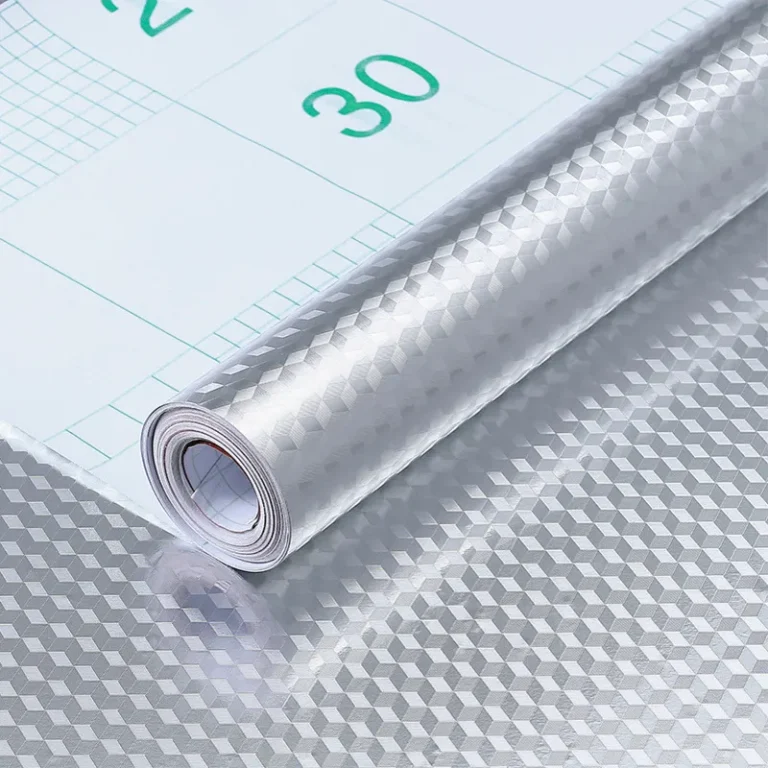
For texture-forward interior designs, confirm the supplier can maintain repeat stability across large runs—especially for premium finishes like 3D Silk Texture Film where visual consistency is a selling point.
In many industries (furniture, building materials, retail decoration), delayed film deliveries can stop downstream production. Strong manufacturers reduce risk through full-process control, scientific scheduling, and inventory management for raw materials and common patterns.
Green flag: A supplier that can run calendering + printing + slitting/packaging under one roof typically ships faster and more consistently because fewer handoffs mean fewer scheduling conflicts.
Red flag: Vague answers like “lead time depends” without offering a capacity plan, production calendar, or confirmed raw material strategy.
If you’re evaluating multiple PVC film manufacturers, use a scorecard so decisions don’t rely on opinions. Score each vendor on objective criteria, then run a sample trial that mirrors your real process (lamination temperature, adhesive system, cutting method, cleaning chemicals, etc.).
The easiest way to avoid mis-sourcing is to link the film type directly to performance expectations. Below are common pairings and what to validate during sampling.
Decorative wood grain, matte, glossy, and soft-touch films are popular for cabinet doors and panels. Validate scratch resistance, stain resistance, and color match under different lighting (showroom light vs home light). For popular patterns, compare options like Wood Grain Film and confirm repeat length consistency.
For wall panels and trim, film flatness, print alignment, and installation convenience matter. If you sell skirting/trim solutions, evaluate edge durability and abrasion near floor level (see: PVC Skirting Film).
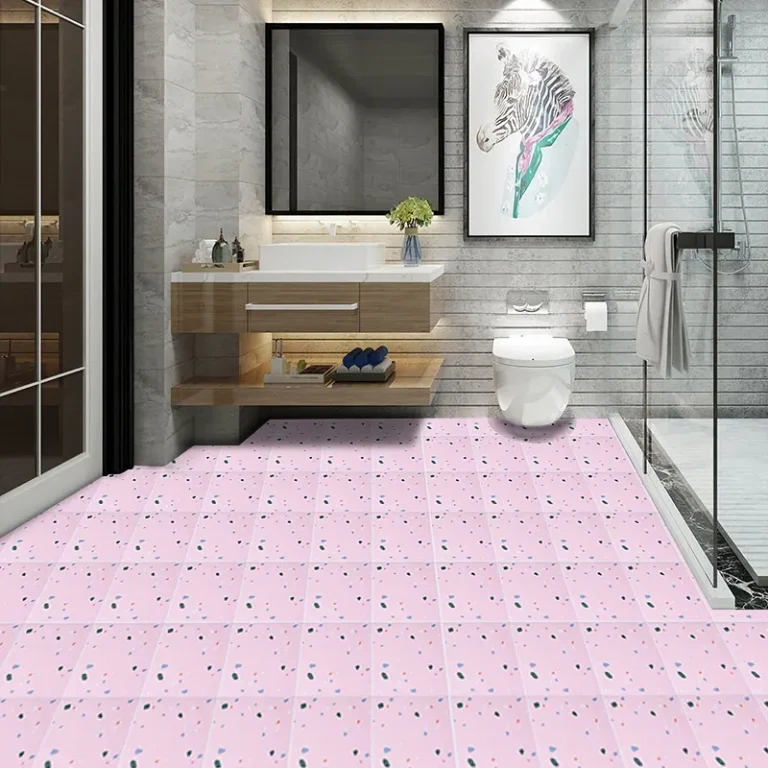
Flooring films must handle abrasion, cleaning chemicals, and long-term foot traffic. Ask for abrasion test parameters and confirm whether anti-slip or wear-layer structures are needed for your market positioning.
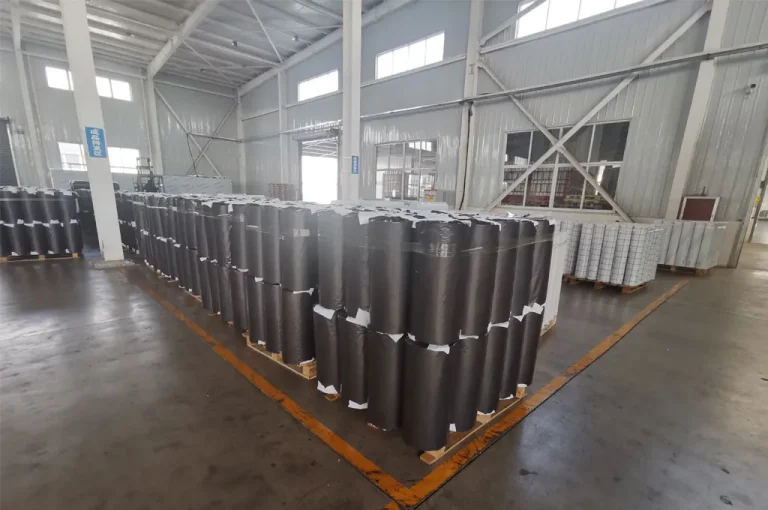
A factory tour—on-site or via video—helps you verify whether the supplier’s claims match reality. You’re not only checking machines; you’re checking discipline: material storage, QC checkpoints, documentation, and packaging practices that prevent damage in transit.
Once you pick a supplier, lock in consistency with a structured approach: define a “golden sample,” confirm acceptance criteria, and agree on how changes are communicated. The best supplier relationships aren’t based on trust alone—they’re based on transparent specs and repeatable procedures.
Focus on repeatability: In PVC film sourcing, the biggest competitive advantage is not a one-time perfect sample—it’s the supplier’s ability to deliver the same result, month after month, while supporting new SKUs when your market evolves.
PVC film is widely used for decorative surfaces (furniture, doors, wall panels), flooring layers, protective and functional films (anti-static, protective), packaging, and specialty environments like medical or cleanroom applications.
Compare thickness tolerance, defect acceptance standards, compliance documents, lead time reliability, and sample-to-mass consistency. Ask for a batch traceability method and test results that match your real process.
Yes. OEM/ODM suppliers commonly customize thickness, width, roll size, surface finish (matte/gloss/soft-touch), functional coatings, printing/patterns, and export packaging with labels and protective wrapping.
Request a technical data sheet, compliance statements (e.g., REACH/RoHS if needed), a golden sample or signed standard, packaging details, confirmed lead time, and a clear MOQ based on your exact specification.
Start with a trial order, run full process testing (lamination/pressing/cutting), verify batch consistency over at least two production lots, and agree on change control so materials and inks don’t shift without notice.