Address
304 North Cardinal St.
Dorchester Center, MA 02124
Work Hours
Monday to Friday: 7AM - 7PM
Weekend: 10AM - 5PM
Address
304 North Cardinal St.
Dorchester Center, MA 02124
Work Hours
Monday to Friday: 7AM - 7PM
Weekend: 10AM - 5PM


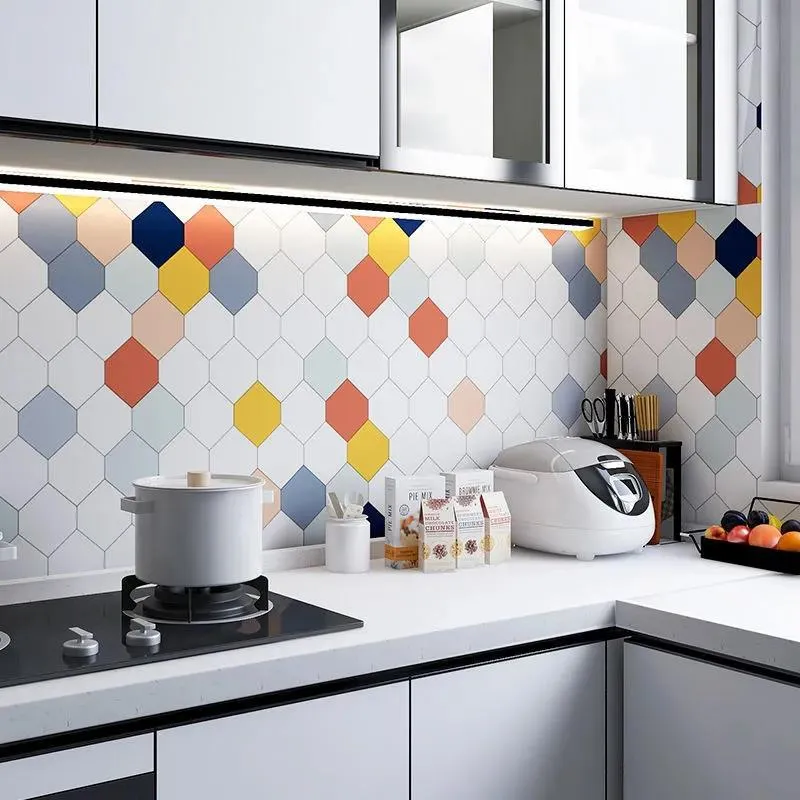
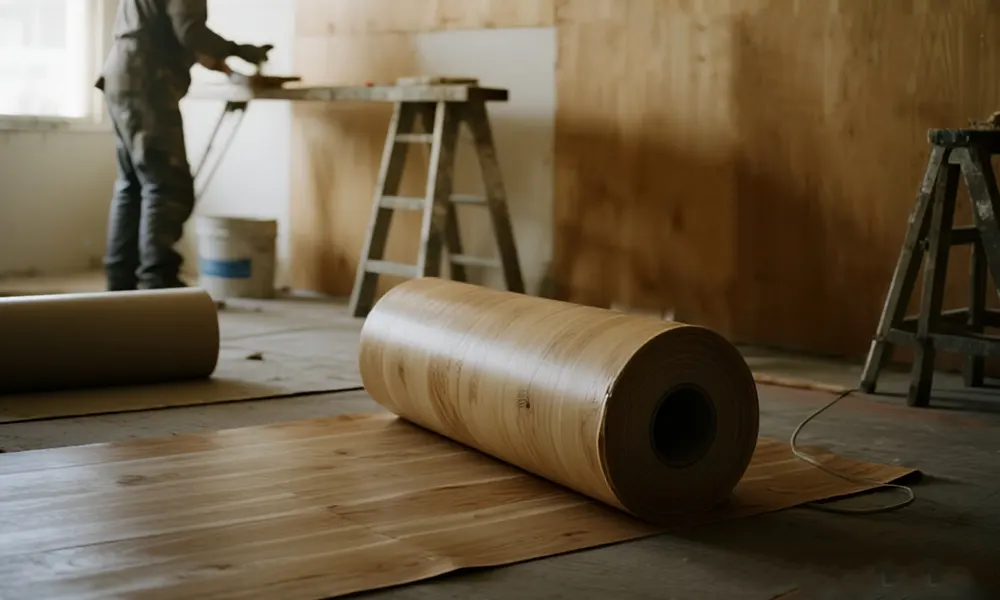
Furniture wrapping PVC film is a practical protective layer designed to shield surfaces from scratches, stains, moisture, and everyday wear—while also enabling fast visual upgrades through patterns like wood grain, marble, matte solid colors, or glossy finishes. Whether you’re a furniture manufacturer, renovation contractor, distributor, or DIY homeowner, choosing the right PVC wrapping film can reduce rework, protect value during transport, and extend product life in real-world use.
Key takeaway:
The “best” protective film is not just the thickest—it’s the one that matches your furniture substrate, surface texture, usage environment, and application method (manual wrapping, lamination, or self-adhesive).
Furniture wrapping PVC film is a polyvinyl chloride-based film used to protect or decorate furniture surfaces such as cabinet doors, wardrobes, tabletops, skirting, panels, and molded profiles. Depending on the type, the film can be transparent for protection, decorative for finishing, or functional (anti-static, oil-resistant, moisture-resistant, etc.).
In manufacturing, PVC films are often applied via lamination or vacuum pressing to create consistent, durable finishes at scale. For logistics and installation, protective wrapping grades help prevent surface damage during cutting, drilling, packing, shipping, and on-site fitting.
✔ Decorative wrapping
Adds color, texture, and pattern (wood, stone, fabric, metallic) to elevate appearance.
✔ Protective wrapping
Shields finished surfaces from abrasion, dust, fingerprints, and minor impact during handling.
✔ Functional wrapping
Adds properties like anti-static, waterproofing, easy-clean, or oil resistance for harsh zones.
Wardrobe doors, cabinet fronts, and tabletops get frequent contact from hands, bags, chairs, and cleaning tools. A properly specified PVC film helps reduce micro-scratches and keeps finishes looking newer for longer—especially in retail furniture, rental apartments, hotels, and offices where “appearance retention” matters.
Humidity and splashes can cause swelling, discoloration, and edge failure on porous substrates. PVC wrapping film offers a protective barrier that helps resist water penetration and common stains. In kitchens, pairing furniture wrapping with dedicated oil-resistant solutions can further reduce maintenance needs.
Tip:
For kitchen zones near cooktops, consider specialized oil-resistant films such as
Kitchen Anti-oil Film
to simplify cleaning and reduce long-term staining.
Compared with paint-based finishing, PVC films can streamline production steps and deliver consistent appearance across batches. In shipping and installation, protective wrapping reduces damage claims and “touch-up” costs, which is especially valuable for flat-pack furniture and export shipments.
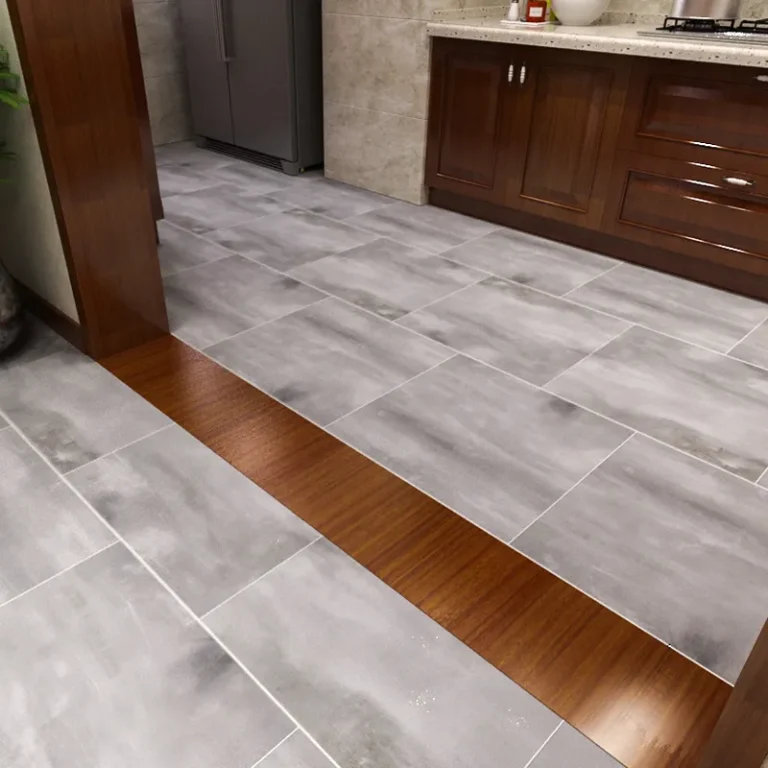
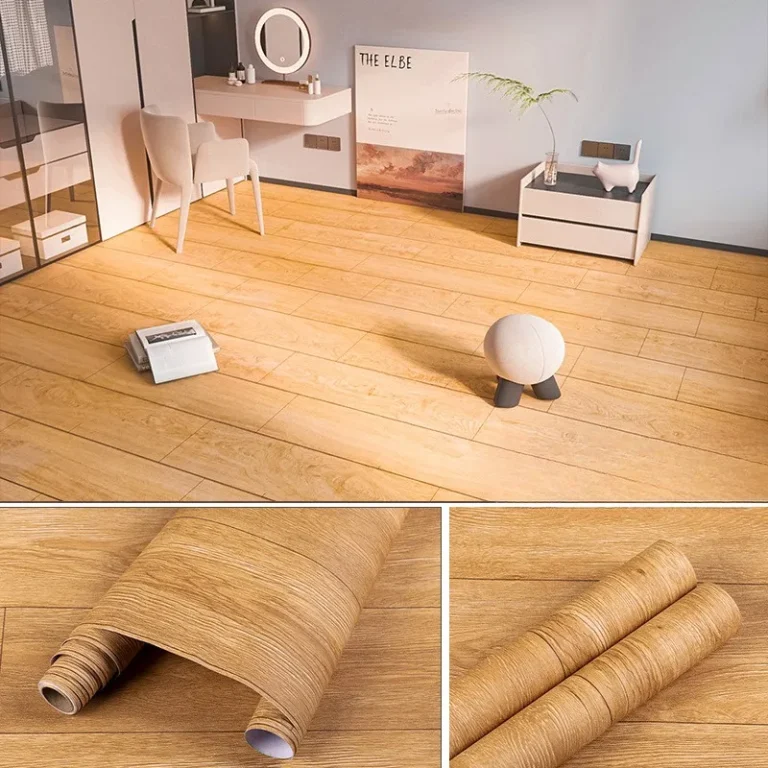
PVC film allows you to keep a stable substrate (MDF, plywood, composite boards, metal sheets) while offering diverse finishes. Popular choices include wood grain for warm interiors, marble for premium looks, and matte solids for modern minimalism.
Examples of decorative options:
Wood Grain Film,
Marble Film,
and tactile patterns like
3D Silk Texture Film.
Kitchen cabinets, wardrobes, TV units, shoe cabinets, bathroom vanities, and bedside tables benefit from easy-clean and scratch resistance—especially for families with children or pets.
Hotel casegoods, reception counters, office workstations, and retail displays require finishes that stay consistent under high traffic. PVC film helps maintain a clean, uniform look with less downtime for maintenance.
Skirting and trim often get kicked, bumped, and cleaned frequently. A dedicated option such as
PVC skirting film
can improve scuff resistance while matching wall or flooring aesthetics.
Calendered film is widely used for decorative and industrial applications due to its consistent thickness, good surface uniformity, and scalable production. It’s commonly selected for furniture surfaces where predictable performance and repeatability matter.
If you’re sourcing for manufacturing or distribution, explore
Calendered Film
as a baseline category and then specify finish, thickness, embossing, and functional coatings.
These focus on preventing scratches and contamination rather than changing appearance. They’re commonly used during manufacturing steps (CNC cutting, drilling, assembly), shipping, and on-site installation. Key selection points include peel strength, residue risk, and clarity.
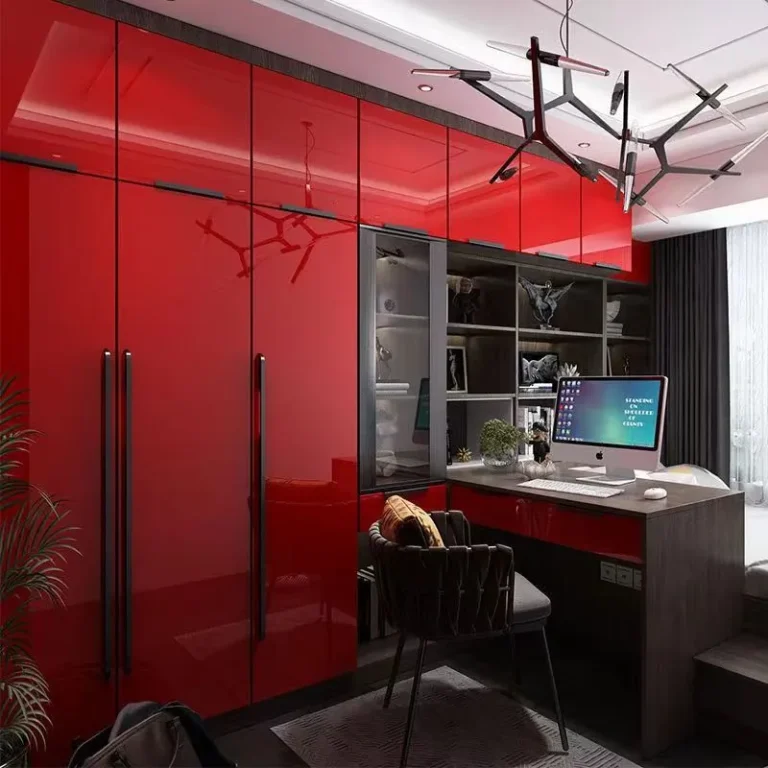
Decorative wrapping films deliver the “final look” of furniture—often replacing painting or veneer in certain product lines. Options include glossy, matte, soft-touch, embossed, metallic, and 3D textures. Matching embossing depth and gloss level to your brand style is crucial for a premium feel.
Selection checklist:
Substrate → Surface finish → Usage environment → Application process → Removal timing → Compliance requirements.
Different substrates behave differently: MDF boards, melamine panels, painted boards, acrylic sheets, metal, glass, and laminates all have unique surface energies and textures. Adhesion must be strong enough to protect, but not so aggressive that it tears, lifts the finish, or leaves residue.
Practical rule: For high-gloss surfaces, prioritize low-residue removal and test on real panels under your expected storage time and temperature.
If you need temporary protection during shipping and installation, choose a film optimized for clean removal. If you need a permanent decorative finish, choose a film engineered for durability, colorfastness, and consistent texture.
Thickness affects puncture resistance and handling stability. For heavy handling, long-distance exports, or high-risk corners/edges, a tougher option reduces damage. For simple dust protection, a lighter film may be sufficient and more cost-effective.
Low risk
Indoor storage, short transit, minimal stacking: prioritize easy peel and clarity.
Medium risk
Routine logistics, multiple handling points: balance toughness and clean removal.
High risk
Export shipping, jobsite installation, edge impacts: emphasize puncture/tear resistance.
Finish is more than appearance—it changes how fingerprints show, how scratches appear, and how easy the surface is to clean. For example, matte and embossed textures can reduce glare and hide minor wear, while high-gloss looks premium but may highlight dust and smudges.
Adhesive behavior changes with time, temperature, and UV exposure. A film that peels cleanly after 7 days may leave residue after 60 days in a hot warehouse. Define your expected protection duration and conduct tests that simulate your real supply chain (stacking pressure, heat, humidity).
⚠ Important:
Always test peel-off on the exact surface finish (paint batch, laminate type, acrylic sheet brand) you will ship—small variations can change residue risk significantly.
For indoor furniture, especially in homes, schools, healthcare spaces, and hospitality environments, compliance and material safety matter. Look for films made with safer material systems and verifiable quality controls (e.g., ISO management systems, REACH/RoHS alignment, and test reports where applicable).
For cabinet doors and shaped components, industrial lamination or vacuum pressing improves conformability and consistency. Process settings (temperature, pressure, dwell time) must match film specification and the substrate’s heat tolerance to avoid shrinkage, gloss change, or edge lifting.
Self-adhesive PVC films are popular for quick remodeling, rental refreshes, and budget-friendly transformations. They are best applied to smooth, stable surfaces; porous or dusty boards may require sealing or priming for reliable adhesion.
Batch-to-batch consistency matters for large projects. Confirm thickness tolerance, gloss range, emboss depth stability, and color matching.
Export-ready packaging (dust-proof inner wrap, labeled rolls, moisture protection) reduces transit defects and simplifies warehouse handling.
Confirm width, thickness, roll length, surface treatment (anti-static, anti-fog), printing, and labeling requirements before sampling.
If you are selecting PVC film as a core material for furniture finishing, prioritizing suppliers with integrated production (calendering, printing, slitting, packaging) helps control lead time and quality. For deeper product exploration and specifications, you can also browse the main catalog at
Product
or reach out directly via
Contact.
Quality signal:
A well-specified PVC wrapping film should maintain stable appearance, resist common household stains, and keep reliable adhesion without bubbling or edge lifting under normal indoor conditions.
1) Does PVC protective film leave residue on furniture surfaces?
It can if the adhesive is too aggressive for the substrate or if the film stays on too long under heat/UV. The best approach is to test on the exact surface and define a safe removal window.
2) Which finish is more practical: glossy or matte?
Matte and embossed finishes hide fingerprints and small scratches better, while glossy finishes look premium but may show smudges. Choose based on usage intensity and cleaning habits.
3) Can PVC wrapping film be used in kitchens and bathrooms?
Yes, many PVC films perform well in humid areas. For kitchens, consider oil-resistant options near cooking zones to reduce staining and simplify cleaning.
4) What should I provide when requesting samples or a quotation?
Specify application (protective vs decorative), thickness, width, roll length, finish (gloss/matte/embossed), color/pattern, adhesive needs, and expected removal time or service environment.