Address
304 North Cardinal St.
Dorchester Center, MA 02124
Work Hours
Monday to Friday: 7AM - 7PM
Weekend: 10AM - 5PM
Address
304 North Cardinal St.
Dorchester Center, MA 02124
Work Hours
Monday to Friday: 7AM - 7PM
Weekend: 10AM - 5PM


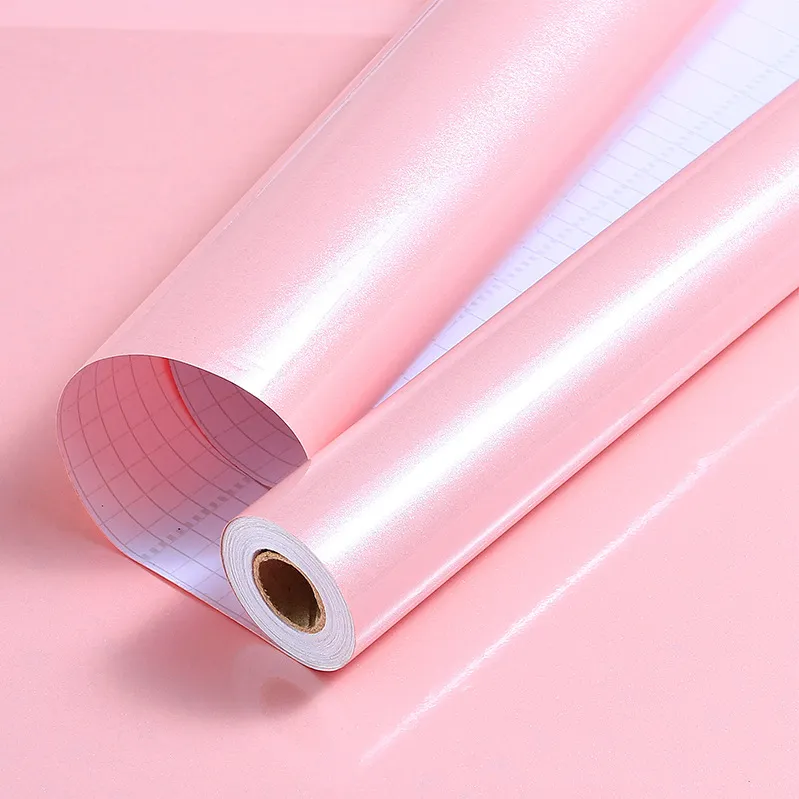
Flexible PVC film is one of the most versatile surface and functional materials used across furniture, construction, electronics, advertising, medical packaging, and everyday home products. But “PVC film” is not a single commodity—performance depends on formulation, calendering stability, surface treatment, printing accuracy, slitting tolerance, and quality control. This guide explains what top flexible PVC film manufacturers do differently, how to evaluate suppliers for your specific industry, and how to reduce risk from sampling to mass production.

What you’ll learn
A top manufacturer is not defined only by price or catalog size. The best suppliers demonstrate repeatable process control, clear compliance documentation, and engineering support that matches your application. Because flexible PVC film is often used as a visible surface (decorative) or a performance layer (protection, anti-static, barrier), consistent production is critical.
Key indicator: Full-process capability
Manufacturers with integrated calendering, printing, and slitting/packing can control thickness tolerance, surface quality, ink adhesion, and roll consistency more reliably than traders or partially outsourced operations.
“Flexible PVC film” covers a wide range of materials. Before you compare manufacturers, you need to define what type of film your product actually requires: decorative, protective, industrial functional, or packaging.
Calendered film is widely used for decorative and industrial applications because it provides a good balance of productivity, thickness control, and surface finish options. For many industries, calendering stability directly affects lamination yield and the final look on boards, doors, panels, or profiles.
Tip for spec writing: Don’t order “PVC decorative film” without defining thickness, surface gloss, emboss depth, ink system, lamination method, and end-use environment (heat, humidity, cleaners, abrasion).
Top flexible PVC film manufacturers usually serve multiple industries, but the best supplier for you is the one whose process windows, QC tests, and material recipes match your real operating conditions. Below are practical criteria by industry.
Furniture-grade films live or die by appearance consistency and lamination performance. If you vacuum press, membrane press, wrap profiles, or flat laminate, ask for data aligned with your process temperature and adhesives.
For wood-look programs, reviewing an established product such as
Wood Grain Film
can help you standardize pattern direction, gloss, and emboss expectations across suppliers.
Building applications often involve long project timelines and large-area visual consistency. Your supplier should be able to hold color and gloss across multiple production runs and provide stable lead times.
Trim programs benefit from suppliers that can hold consistent slitting width and edge quality; for example,
PVC skirting film
requires clean edges and stable winding to avoid installation defects.
Flooring films face abrasion, pressure, moisture, and routine cleaning. Supplier selection should prioritize mechanical properties and long-term consistency over short-term cost.
If your program is specifically floor-focused, referencing a known category like
Floor Film
helps align on performance expectations, thickness ranges, and typical surface finishes.
Electronics applications demand functional reliability. Cosmetic defects are important, but electrical performance, cleanliness, and traceability are often more critical.
Advertising films often prioritize printability, flatness, and fast lead time. If the film is used for lightboxes, displays, or temporary installations, the supplier should understand your ink systems and mounting requirements.
Medical-related use cases often require stricter documentation and safer material choices. Ask early about compliance, test reports, and how the supplier prevents cross-contamination.
When you compare “top flexible PVC film manufacturers,” avoid relying on marketing claims alone. Use a structured evaluation that reveals whether a supplier can maintain quality after the first successful sample.
Ask for the exact QC items they test and the frequency. For decorative films, control of gloss, color, and emboss consistency can be as important as tensile strength.
If you sell into regulated markets or supply to brand owners, compliance is not optional. Confirm whether the manufacturer can provide documentation such as ISO management systems and relevant product compliance (for example, REACH, RoHS, FDA where applicable to the use case).
✔ Documentation to request:
ISO certificates, restricted substance statements, third-party test reports, and a clear change-notice process for raw materials and inks.
Many suppliers say they offer customization. What matters is whether they can control outcomes: matching a color under different lighting, building a custom emboss, or delivering stable adhesive characteristics at your installation speed.
A disciplined validation process reduces the most common failure mode in flexible PVC film sourcing: the first sample looks good, but mass production drifts. Use a staged approach that checks both material performance and manufacturing stability.
Document the exact criteria that affect your yield and customer acceptance: thickness tolerance, gloss range, emboss depth, color tolerance (ΔE), adhesion targets, shrinkage limits, and acceptable defect rate (per square meter or per roll).
Small swatches are useful for design approval, but converting issues show up on real roll lengths. Request a pilot roll that matches your production width, winding tension, and packaging method.
⚠ Common sourcing pitfall
Approving a sample made on a different line or with a different resin/ink batch than mass production. Always ask: Which line was used? and Will mass production use the same configuration?
Laminate, vacuum press, wrap profiles, print, die-cut, or install using your standard settings. Record defects and identify if they are film-related (surface energy, shrinkage, curling) or process-related (temperature, adhesive, pressure).
Agree on a retained reference sample, inspection standards, acceptable defect categories, and what happens if drift occurs. This step separates professional manufacturers from short-term suppliers.
PVC films can be damaged by moisture, dust, and crushing. Require export-ready packing (individual wrap, corner/edge protection if needed, clear labels with batch codes) and define storage conditions in your warehouse.
Use these questions to quickly determine whether a manufacturer is truly ready for stable supply. You can copy-paste them into your RFQ.
Even within the same category, different markets and end-users prioritize different details. For example, premium furniture buyers focus on tactile realism and low-gloss uniformity, while commercial fit-outs may value durability and fast installation more. Align your selection with how customers actually evaluate the finished product: under store lighting, at home lighting, and after repeated cleaning.
If you are building a design set with multiple textures, consider evaluating one tactile SKU such as
3D Silk Texture Film
alongside your standard matte/gloss options to benchmark feel, emboss definition, and fingerprint resistance.
The lowest unit price can become expensive if your film causes lamination failures, print downtime, higher scrap rates, or customer complaints. Full-process manufacturers that control calendering, printing, and converting can often reduce your total cost by:
Bottom line:
Choose the supplier whose process control and QC discipline match your risk profile, not just your first-order budget.
PVC film is used for decorative surfaces (wood/marble/solid color), protective layers, functional industrial uses (such as anti-static), and packaging. Typical applications include furniture panels, doors, wall coverings, flooring surfaces, electronics protection, advertising displays, and clean packaging.
Choose thickness based on forming method, durability needs, and substrate flatness. Thicker films can improve coverage and toughness, while thinner films may reduce cost and improve conformability. Validate thickness with real process trials before mass production.
Yes. Many manufacturers can customize thickness, width, roll length, color/pattern, embossing, printing, surface finish (glossy/matte), and functional treatments such as anti-static or anti-fog. Confirm what is controlled in-house and how consistency is guaranteed across batches.
Common requests include ISO management certificates and compliance statements/test reports such as REACH and RoHS; FDA may be relevant for certain contact-related uses. Ask for third-party test reports when needed and confirm batch traceability.
Approve a pilot roll, lock a golden sample, define CTQ specs (including ΔE, gloss, and defect rules), require batch traceability, and set a clear quality agreement covering inspection methods and change-notice procedures.