Address
304 North Cardinal St.
Dorchester Center, MA 02124
Work Hours
Monday to Friday: 7AM - 7PM
Weekend: 10AM - 5PM
Address
304 North Cardinal St.
Dorchester Center, MA 02124
Work Hours
Monday to Friday: 7AM - 7PM
Weekend: 10AM - 5PM


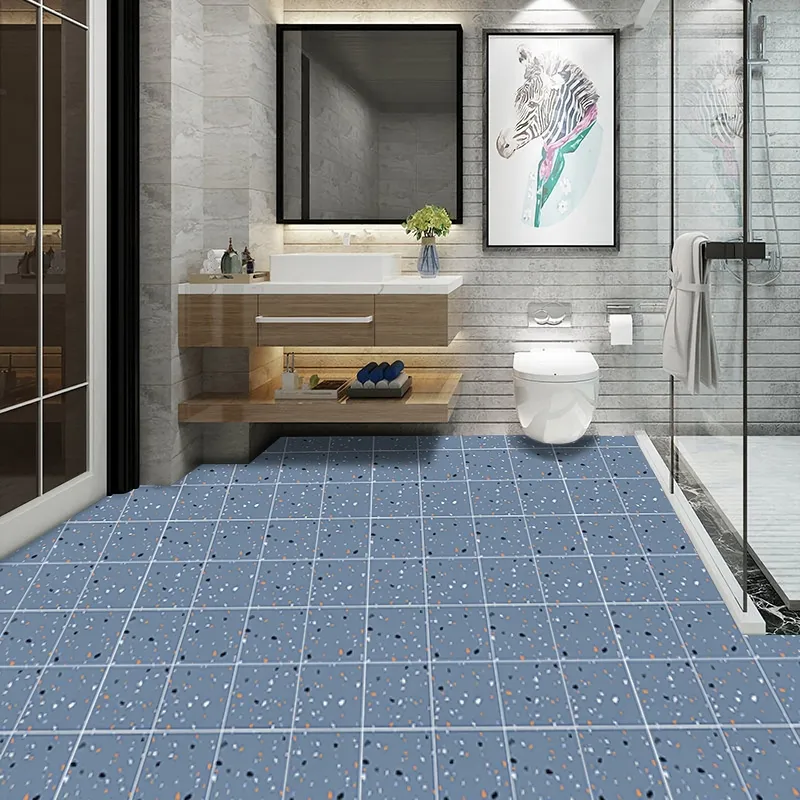
PVC decorative laminate film is one of the most practical ways to upgrade surfaces without rebuilding them. It combines attractive patterns (wood, marble, textile, solid colors, metallic looks) with protective performance such as abrasion resistance, moisture resistance, and easy cleaning. Whether you are producing furniture, renovating interiors, or developing durable commercial spaces, understanding film structure, finish options, and application methods helps you choose a result that looks premium and lasts longer.
In this guide, you will learn the core benefits of PVC decorative laminate film, where it performs best, and how to select the right finish—especially when balancing aesthetics, budget, lead time, and compliance requirements.
PVC decorative laminate film is a thin polyvinyl chloride film engineered to be laminated onto a substrate (such as MDF, plywood, particleboard, SPC/WPC panels, metal sheets, or plastic boards). It provides both visual design and surface protection. Depending on the manufacturing method (often calendering), it can be produced with stable thickness, consistent color, and a wide range of surface effects.
✔ Key idea:
A decorative film is not “just a pattern.” It is a surface system that can be tuned for gloss, texture, scratch resistance, adhesion behavior, and functional treatments (anti-static, anti-fog, food-grade coatings, etc.).
If you want to understand the manufacturing foundation behind stable thickness and performance, explore calendered options such as
Calendered Film,
which are widely used as the base for decorative and industrial laminations.
PVC decorative laminate films can replicate natural materials while offering tighter color control than many veneers or painted processes. This matters for large projects—kitchen runs, hotel rooms, retail stores—where consistent batches improve perceived quality and reduce rework.
With the right topcoat and embossing, PVC films can provide scratch resistance, stain resistance, and easy cleaning. This is especially helpful for high-touch furniture surfaces like cabinet doors, wardrobes, interior wall panels, and office tables.
Compared with repainting or complex veneer finishing, lamination can simplify production lines and reduce odor and downtime. It also enables repeatable finishing in mass production.
Beyond decorative looks (wood, stone, textile, solid colors), PVC films can be offered in matte, glossy, soft-touch, embossed, brushed, pearlescent, transparent, self-adhesive, and more—allowing you to match the surface to the use-case rather than forcing one finish everywhere.
★ Practical advantage:
Film lamination supports both aesthetic customization and production efficiency—a combination that is difficult to achieve with traditional surface materials alone.
For furniture, performance is often defined by abrasion resistance, stain resistance, and color consistency. Cabinet doors and wardrobes frequently require a finish that hides fingerprints and micro-scratches—matte and light-embossed textures are popular for that reason. For premium “clean lines,” high gloss can work well, but it demands stronger surface protection and careful handling in fabrication.
Wood-look options remain the most used. If you want a reliable reference point for wood aesthetics, see
Wood Grain Film.
Interiors benefit from films that are easy to clean and stable under indoor temperature shifts. For wall systems, designers often prioritize low-glare matte finishes to prevent harsh reflections, while public spaces may need higher wear resistance. Trims and skirting boards require strong edge performance and stable color across long runs.
A dedicated option for trims is
PVC Skirting Film,
which is engineered for consistent appearance across linear profiles.
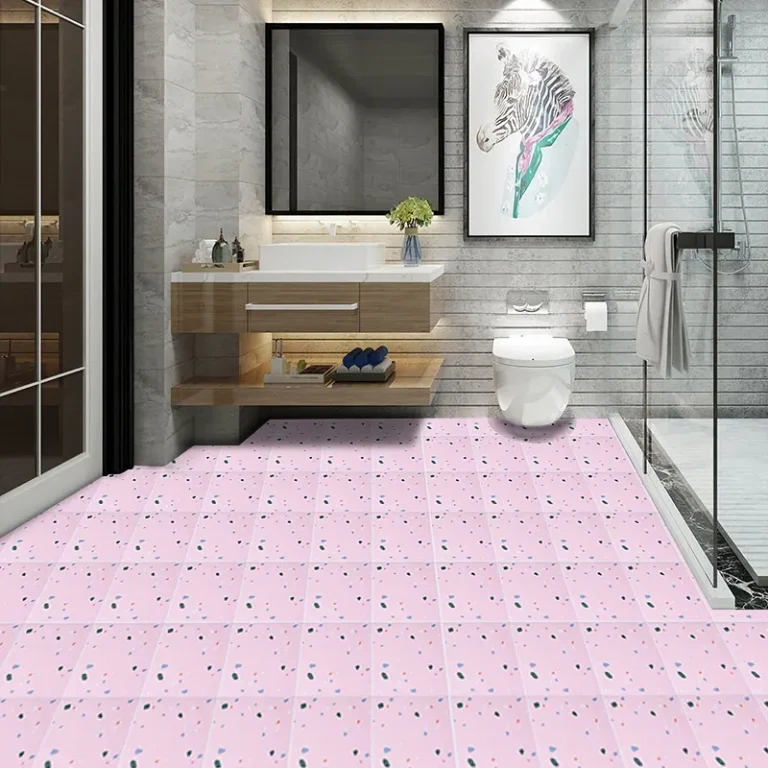
Flooring applications generally demand tougher wear layers, stable embossing, and good dimensional behavior. Anti-slip texture and stain resistance matter more here than high gloss. If your project includes floor protection or floor-facing decorative layers, you can evaluate options like
Floor Film.
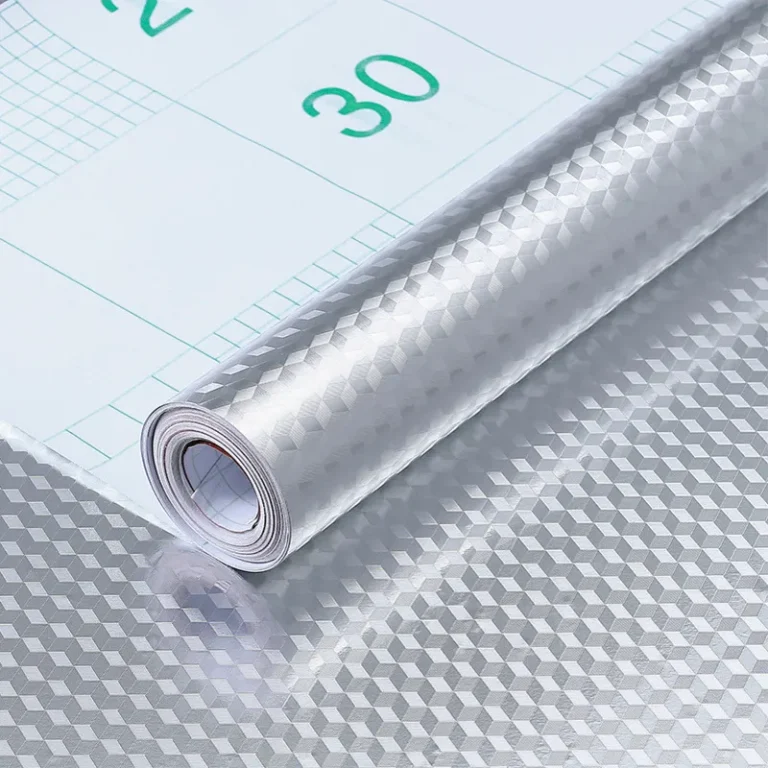
Kitchens and wet zones (laundry, bathrooms) push surfaces with steam, oils, and frequent cleaning. Here, choose films that emphasize moisture resistance, easy wipe-down, and compatible adhesive/lamination processes. For oil-prone areas, specialty solutions like
Kitchen Anti-oil Film
can reduce staining and make maintenance simpler.
⚑ Selection shortcut by scene:
Furniture → fingerprint resistance + scratch resistance;
Walls → low glare + cleanability;
Floors → wear + slip behavior;
Kitchens → oil/stain resistance + easy maintenance.
Glossy PVC decorative film delivers sharp reflections and a modern aesthetic, often used for wardrobes, cabinet fronts, and display furniture. However, gloss surfaces can reveal fingerprints, micro-scratches, and installation dust more easily, so they benefit from stronger protective layers and careful packaging/handling.
Matte films reduce reflections, hide minor defects, and often feel more “architectural.” They are a strong default choice for large surface areas like wall panels and cabinetry—especially in bright rooms where gloss would create glare.
Embossing adds tactile depth—wood pores, textile weaves, stone textures, brushed lines, or 3D effects. Texture can make patterns look more authentic and can also help reduce the visual impact of small scratches by breaking up reflections.
For a refined textile-like feel, see
3D Silk Texture Film,
which is often used to create a calm, premium surface impression without heavy gloss.
Soft-touch surfaces provide a velvety hand-feel and a muted visual. They are popular for high-end cabinetry and interior panels, but they should be evaluated for stain behavior (especially in kitchens) and for the cleaning chemicals used in the target market.
Metallic and pearlescent films add a contemporary highlight, often used for accent panels, trims, or decorative furniture lines. The key is to test lighting conditions: some pigments shift color under warm vs. cool LEDs, and that can either elevate the design or create mismatch across different rooms.
✔ Decision framework:
Match the film to touch frequency, cleaning intensity, lighting, substrate, and process.
If you specify the finish first and ignore the process, you may end up with edge lifting, bubbles, or inconsistent appearance in mass production.
Residential projects tend to prioritize comfort, warmth, and easy cleaning; commercial projects often prioritize wear, consistency, and faster maintenance cycles. For example, a matte textured film may outperform high gloss in public corridors because it hides scuffs and glare.
Adhesion and stability depend on the substrate (MDF, plywood, SPC/WPC, metal) and the lamination method (flat lamination, profile wrapping, membrane pressing, self-adhesive application). A film that performs perfectly on flat MDF may need different parameters for complex profiles or deep wraps.
Lighting changes everything. In bright spaces with large windows, high gloss can create intense reflections that make a room feel colder or visually “busy.” Matte and satin finishes usually feel calmer and are more forgiving. If cleaning staff will wipe surfaces daily, choose a finish that tolerates repeated cleaning without polishing marks.
Texture is not only aesthetic—it can influence perceived durability. A subtle grain or textile emboss can help reduce the visibility of minor scratches and fingerprints. For wood looks, consider whether the texture should align with the print direction to enhance realism.
For indoor decorative surfaces—especially where there may be frequent human contact—buyers often request compliance with standards such as REACH, RoHS, and relevant quality systems. If the film may contact food-related surfaces or needs special functional coatings, confirm the appropriate test reports in advance.
Samples should be tested on the real substrate using your real process settings. Evaluate color under the same lighting customers will see, perform wipe tests for stains, and check edges and corners for lifting after environmental exposure. A short pilot run helps confirm roll consistency and packaging suitability for shipping.
Wood patterns work across modern, classic, and minimalist interiors. Light oak and ash tones can make spaces feel brighter and larger; walnut tones often communicate warmth and luxury. Pair wood prints with pore embossing for a more natural appearance.
Marble looks can elevate countertops, wall accents, and decorative panels—without the cost or weight of real stone. Choose vein scale carefully: large veins can dominate small rooms, while micro-veins create a subtle, upscale backdrop. Testing under warm/cool LEDs is important to avoid unexpected color shifts.
Solid colors are widely used for commercial environments and modern home interiors. They support minimalist design and help brands standardize across locations. Matte solid colors tend to look more premium and reduce glare; satin can add subtle richness without full gloss.
Textile looks can soften the feel of office and hospitality spaces, particularly when you want “quiet luxury” rather than heavy stone or metallic statements. They also work well as wardrobe interiors and decorative wall panels where touch comfort matters.
Consistent thickness supports stable lamination and predictable wrapping around edges. Thickness selection should match the substrate, the profile depth, and your press/wrap conditions.
For multi-room projects or long-term product lines, batch consistency is critical. Ask for traceability practices, and confirm how the supplier handles color matching for repeat orders.
Identify what “durable” means for your market: is it resistance to keys and rings, cleaning chemicals, cooking oils, or frequent sanitizing? Choose finishes and top layers accordingly, then validate through practical tests.
Decorative films are sensitive to dust and pressure marks—especially glossy surfaces. Export-ready packaging, individual roll wrapping, and clear labeling help prevent damage and reduce confusion during receiving and warehousing.
✔ Buying tip:
The lowest film price can become the most expensive option if it increases scrap rate, causes edge lifting, or creates color mismatch across batches. Prioritize process stability and repeatability.
If you are developing a brand-specific look or serving multiple client segments, OEM/ODM customization can be a competitive advantage. Typical customization includes film thickness, width, roll length, pattern development, color matching, surface finish (gloss/matte/emboss), and functional coatings such as anti-static or anti-fog.
Use a soft cloth with mild detergent when needed. Avoid abrasive pads that can dull gloss or flatten texture over time. For kitchens, wipe oils sooner rather than later to reduce staining risk—especially on soft-touch or deep matte finishes.
If surfaces will be frequently disinfected (healthcare, public areas), confirm the film’s chemical resistance and test with the exact cleaners used on-site. A finish that looks perfect in a showroom can degrade quickly if the cleaning chemistry is too aggressive.
For areas near windows or heat sources, confirm the film’s stability and consider the project’s typical indoor climate. Matching the right film type to the environment improves long-term appearance and reduces callbacks.
It is laminated onto substrates to provide both decoration (wood, marble, solid color, textile looks) and protection for furniture, wall panels, trims, and other interior surfaces.
<h5 style="color:#192B83; font-weight:700; margin:10px 0 8px