Address
304 North Cardinal St.
Dorchester Center, MA 02124
Work Hours
Monday to Friday: 7AM - 7PM
Weekend: 10AM - 5PM
Address
304 North Cardinal St.
Dorchester Center, MA 02124
Work Hours
Monday to Friday: 7AM - 7PM
Weekend: 10AM - 5PM


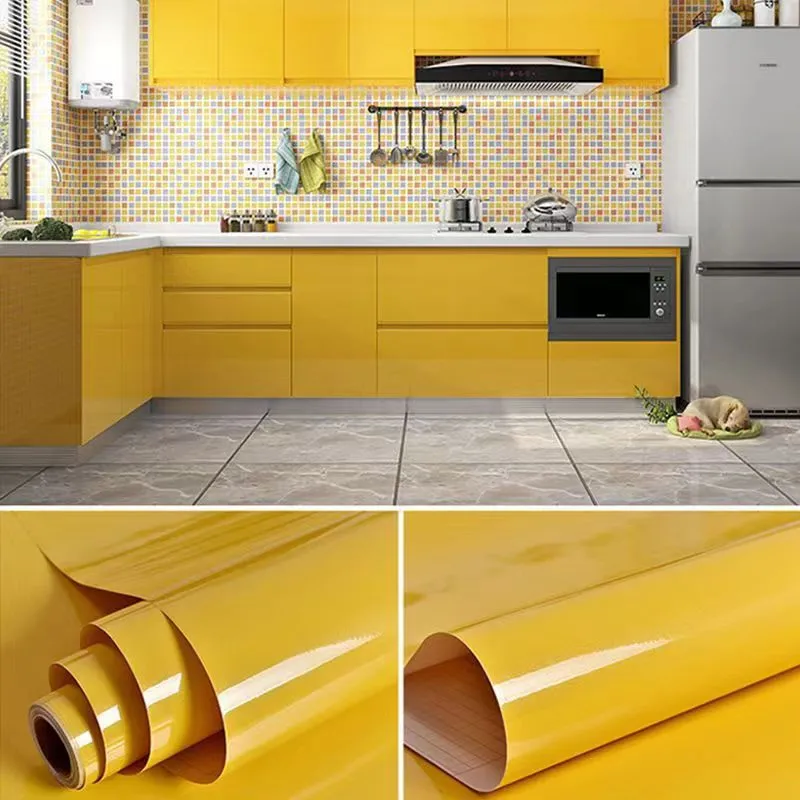
In Japan, PVC decorative film is a practical way to refresh interiors and products without replacing the whole surface. From compact Tokyo apartments and rental rooms that prioritize clean removal, to high-humidity areas where wipeable finishes matter, decorative PVC films help homeowners, contractors, and manufacturers balance design, durability, and cost. This guide explains typical uses in Japan, key benefits, how to select specifications, and how to evaluate suppliers—so you can buy confidently for furniture, wall panels, doors, cabinetry, flooring, and more.
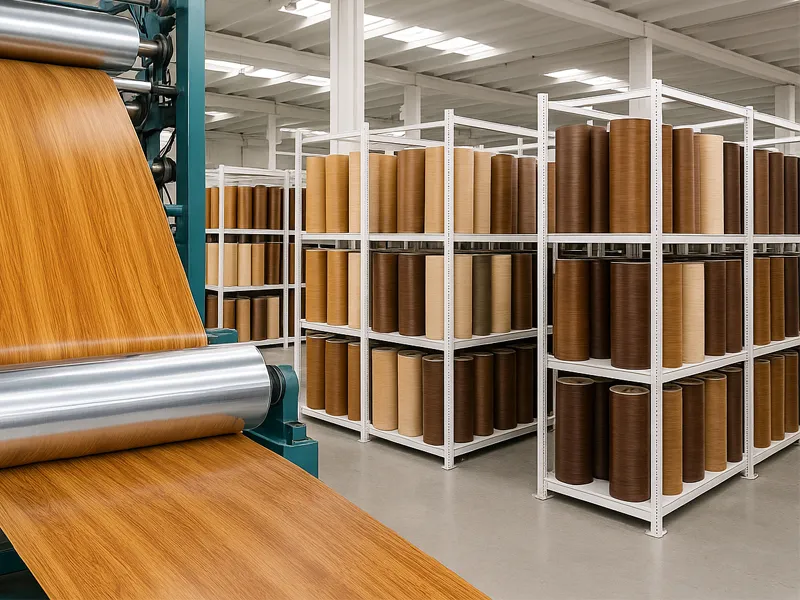
Key idea: Decorative PVC film is not “just a pattern.” In real projects it functions like a wear layer that impacts scratch resistance, stain resistance, cleanability, and long-term appearance—especially important for Japan’s frequent cleaning habits and high standards for neat finishes.
PVC decorative film is a thin polyvinyl chloride layer produced by calendering and/or printing, then finished with textures (glossy, matte, embossed, soft-touch, brushed, 3D). It is laminated or wrapped onto substrates such as MDF, plywood, PVC boards, metal sheets, and composite panels to create wood, stone, fabric, or solid-color looks.
In Japan, decorative films are widely used because they align with everyday preferences for tidy surfaces, minimal maintenance, and precise detailing. Renovation cycles for retail spaces, apartments, and offices can be short; films offer quick visual upgrades while controlling budget and downtime.
PVC decorative film is used across furniture manufacturing, interior fit-outs, and light renovation. The best results come from matching the film’s thickness, surface texture, and adhesive/lamination method to the usage scenario.
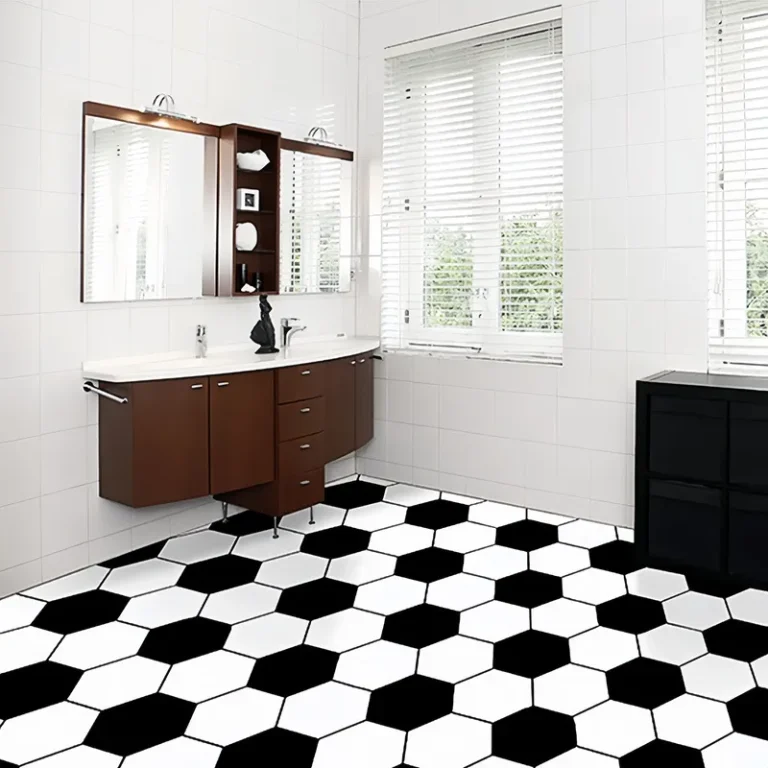
For flooring-related applications, you’ll generally use dedicated floor films with higher wear performance and slip considerations. If you are sourcing for floor overlays or protection layers, review products like
Floor Film
and confirm the target use (commercial traffic vs. light residential).
✔ Japan-specific tip (humidity & cleaning): If the surface will be cleaned frequently (kitchens, rental turnover, retail), prioritize stain resistance and scratch/abrasion performance over purely visual texture. Matte textures hide fingerprints, while glossy finishes show micro-scratches more easily.
✔ Detail expectation: Japanese buyers often judge quality by edge finishing, seam visibility, and color consistency across batches. Plan for batch control and spare rolls for future repairs.
Wood, marble, fabric, metallic, and solid-color looks can be produced consistently at scale. For many projects, film enables design upgrades without replacing substrates, which reduces demolition waste and labor time.
Properly selected PVC films can resist daily wear such as light scratching, common stains, and repeated wiping—important for kitchens and commercial fit-outs where surfaces must stay neat.
Films provide predictable material costs and faster project execution compared with many natural surfaces. For OEM manufacturing, consistent roll production supports stable assembly planning.
Many suppliers can tailor thickness, embossing, pattern, gloss level, width, and roll length to match your production line and product positioning—especially useful for Japan’s segmented market (entry-level rentals vs. premium condos vs. retail flagship stores).
Decorative film performance depends on both the film structure and how it’s applied (lamination, wrapping, adhesive, heat, pressure). Below are the key parameters buyers in Japan typically confirm before ordering.
Thickness affects flexibility, coverage of minor substrate imperfections, and resistance to dents/scratches. Thicker isn’t always better: ultra-thick films may be harder to wrap on tight radii, while ultra-thin films may show substrate defects.
If you’re supplying chain stores or large apartment developments, confirm how the supplier controls color deviation between batches. In Japan, even slight differences become noticeable under strong indoor lighting and at close viewing distance.
Ask for documentation aligned with common global requirements such as REACH and RoHS, and confirm low-odor and indoor suitability. If the film may touch skin frequently (furniture edges, hand-contact surfaces), request relevant test reports and material statements.
Decorative PVC films support many sectors that are active in Japan’s urban markets, where space efficiency and clean appearance are priorities.
Cabinet doors, wardrobe panels, office partitions, tabletops—wood grain, cloth grain, and soft-touch options are common.
Wall panels, decorative boards, ceiling features, skirting applications—films help deliver uniform aesthetics at scale.
Anti-static, protective, and brushed effects can be used where light protection and appearance are both needed.
Japan has strong standards for finishing quality and reliability, so supplier evaluation should be systematic. Some buyers source locally for convenience, while others import from experienced manufacturers to gain better customization, capacity, and cost control—especially for large or repeated programs.
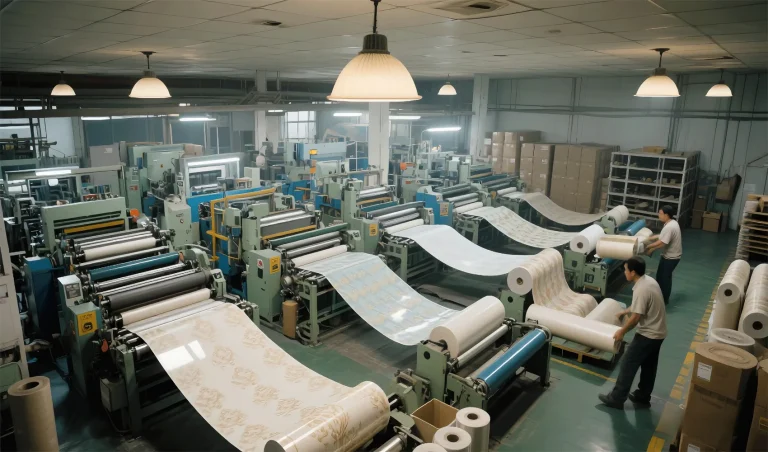
Pulivk Film example capability (typical of strong manufacturers): A full workflow covering calendering, printing, and slitting/packaging can improve consistency and shorten lead time. Films may include transparent, matte, embossed, pearlescent, colored, anti-static, self-adhesive, and multi-layer structures—packed with dust-proof PE film or kraft paper and labeled for safe transport.
If you need a starting point for base material: check the structure of
Calendered Film
and confirm whether it will be printed/embossed for your decorative target.
Start with where the film will be used (kitchen door, wall panel, wardrobe, retail counter) and what it will be laminated onto (MDF, plywood, PVC board, metal). This determines flexibility needs, adhesive selection, and performance requirements.
Japan’s interiors often use bright, uniform lighting that reveals surface imperfections. Request physical samples and check them in the actual environment (daylight + indoor lighting). For wood grain, evaluate pore realism; for marble, evaluate pattern repetition and scale.
If the surface will be wiped daily (kitchens, stores), choose finishes and coatings that resist stains and cleaning agents. For high-contact public spaces, prioritize abrasion resistance and easy repair strategy (spare material, replaceable panels).
A good RFQ includes thickness, width, roll length, pattern code, surface finish (gloss/matte/emboss), quantity, packaging requirements, and destination port in Japan. Mention whether you need OEM/ODM color matching, private labeling, or special packing for damage prevention.
Before committing, run a pilot on the same laminating/wrapping process used in production. Evaluate adhesion, edge performance, shrink behavior, appearance after cleaning, and consistency across multiple panels.
If you are importing or producing products for Japan, design alignment matters as much as technical performance. Many customers prefer calm, balanced tones and surfaces that keep looking clean with everyday use.
Q1: Is PVC decorative film suitable for kitchens in Japan?
Yes, when you choose a film designed for frequent cleaning and confirm stain resistance. For kitchen doors and panels, prioritize matte or easy-clean coatings and run a sample test with your actual cleaners.
Q2: What’s the difference between decorative film and calendered film?
Calendered film often refers to the base PVC film made by calendering; decorative film typically adds printing, embossing, and surface finishing to create patterns and textures for visible surfaces.
Q3: How do I reduce color mismatch across different shipments?
Approve a physical master sample, request batch traceability, and order buffer quantity for future repairs. For phased renovations, ask the supplier to reserve the same production batch when possible.
Q4: Can I order custom patterns and packaging for OEM projects?
Many manufacturers support OEM/ODM customization including thickness, width, roll length, colors/patterns, surface treatment, and export packaging. Confirm MOQ, sample lead time, and printing/embossing limits early.
Q5: What should I check first when comparing suppliers?
Start with in-house production coverage, QC standards, sample consistency, compliance documentation, and packaging quality. Then validate performance through a pilot run on your own lamination/wrapping process.