Address
304 North Cardinal St.
Dorchester Center, MA 02124
Work Hours
Monday to Friday: 7AM - 7PM
Weekend: 10AM - 5PM
Address
304 North Cardinal St.
Dorchester Center, MA 02124
Work Hours
Monday to Friday: 7AM - 7PM
Weekend: 10AM - 5PM


On busy job sites and in lived-in homes, floors take the first hit—dusty boots, ladders, trolleys, paint spills, dropped tools, and constant foot traffic.
PVC floor protective film is a practical way to shield finished surfaces during
construction, renovation, and moving, helping teams hand over cleaner, damage-free floors while reducing rework and cleaning time.
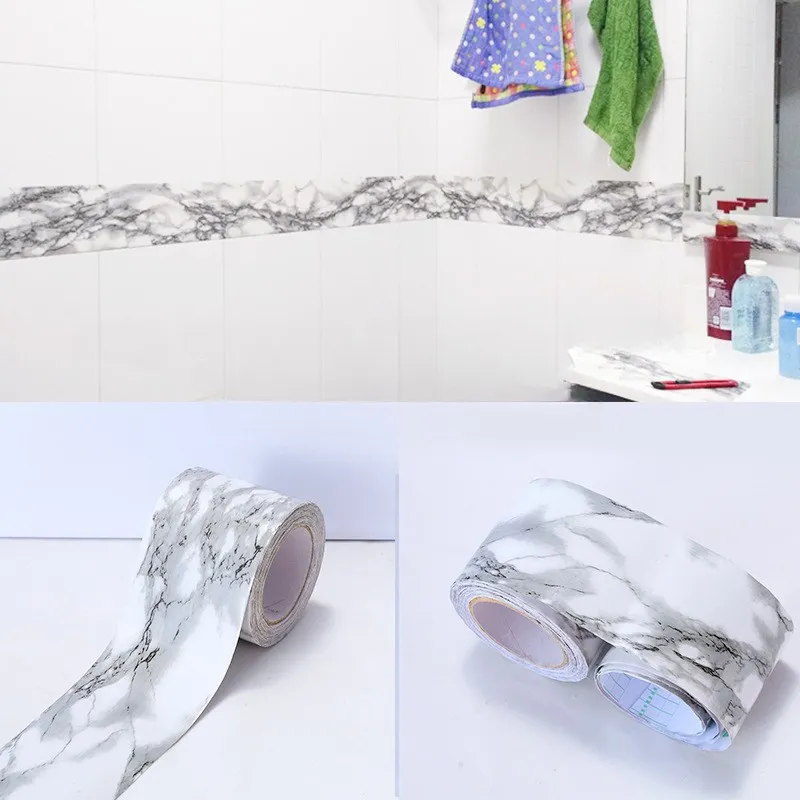
Key idea:
A good floor protection film should balance surface safety,
strong but removable adhesion, and
job-site durability—without leaving residue or pulling coatings.
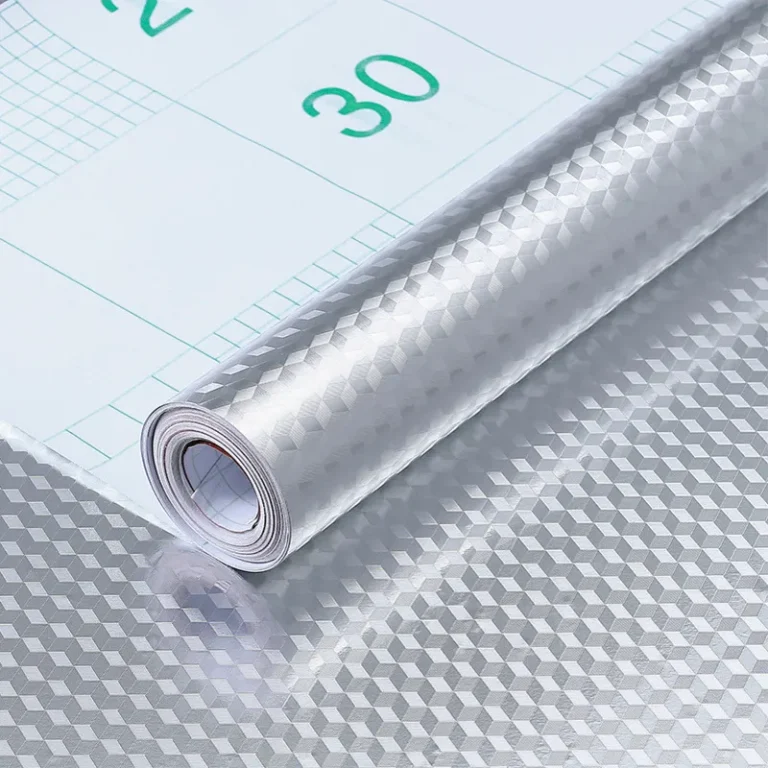
PVC floor protective film is a flexible plastic film designed to cover and protect floor finishes temporarily. It is commonly supplied in rolls
and applied by laying or lightly pressing onto the surface. Depending on the product structure, it can be plain film, lightly textured for
slip resistance, or built with a removable adhesive layer for secure placement.
Compared with paper-based covers, PVC film typically offers better moisture resistance and tear resistance—useful when work involves wet trades
(painting, plastering, tile cutting) or when cleaning happens repeatedly throughout the project.
Ideal for protecting floors after installation but before handover—especially when multiple trades overlap. It helps prevent
abrasion from traffic, scratches from tools, and staining from dust, adhesives, and paint splatter.
When residents remain in the property, protection film supports “clean work” standards: less tracking of debris, easier daily cleanup,
and reduced risk of damaging existing flooring during furniture shifting and material deliveries.
Temporary floor protection is a simple upgrade for moving companies, landlords, and property managers. It helps reduce claims and
touch-up costs by preventing scuffs at entryways, corridors, elevators, and high-traffic rooms.
PVC protective film can be used on many common floor types, but the most important rule is to match the adhesive level
and surface compatibility to the substrate. Typical applications include:
⚠️ Practical reminder:
For newly applied finishes (fresh coatings, new varnish, new adhesive-bonded floors), wait until the surface is fully cured before applying any
protective film. When in doubt, test a small corner first.
Job sites create constant friction: grit under shoes, dragging cartons, moving dollies, and ladder feet. A durable PVC film provides a sacrificial
layer that absorbs this wear, helping preserve the original sheen and preventing micro-scratches that show under bright lighting.
PVC is inherently moisture resistant, which helps during wet cleaning, paint work, and general site humidity. It also reduces the risk of staining
from splashes, dirty water, and common site liquids—making end-of-day cleanup faster.
Protective film is designed for quick coverage over large areas with minimal tools. With the right adhesive level, removal should be clean and
controlled—no excessive scraping, no residue, and fewer touch-ups before handover.
Beyond protection, film helps keep floors presentable for inspections, client walkthroughs, real-estate staging, and phased handovers.
This is especially useful in retail fit-outs and hospitality projects where opening dates and visual standards are strict.
Not all films behave the same. Selection should consider the floor material, project duration, traffic intensity, and environmental conditions.
Use the checklist below to choose a film that protects without creating removal problems.
If your project also involves wall panels, skirting, or decorative surfaces, sourcing materials from one stable film supplier can simplify
color/texture coordination and logistics. For example, Pulivk Film manufactures multiple PVC film categories through integrated
calendering, printing, and slitting/packaging lines—supporting consistent quality and more predictable lead times.
If you’re comparing different film bases, start with Calendered Film,
which is widely used as a foundation for durable PVC solutions. For floor-focused applications, explore
Floor Film
options designed for surface protection and interior use.
Renovation projects often touch multiple zones. If you also need matching trim protection or decorative continuity, related solutions like
PVC skirting film
can help keep edges and transitions looking clean. For wall refresh projects where crews want fast visual upgrades, a coordinated
solid color wallpaper
can reduce the time spent on repainting while keeping a consistent interior palette.
Sweep and remove grit first. Fine particles are the main cause of swirl marks under protection film because foot traffic grinds dust against
the surface. If the floor is damp from cleaning, let it dry to avoid trapping moisture.
Especially on coated wood, luxury vinyl, or specialty finishes, apply a small piece in an inconspicuous corner. After a short dwell time,
remove it to confirm there is no residue and no surface change.
Apply the film in straight strips. Avoid stretching the film too tightly, which can cause edge lift later. Overlap seams slightly where needed
to prevent debris from entering between strips, especially in corridors and doorways.
Entryways, elevator lobbies, and turning points for carts deserve extra attention. If heavy rolling loads are expected, consider using thicker
film and ensuring seams are pressed down firmly so wheels don’t catch edges.
💡 Tip for cleaner handovers:
Keep an extra roll on-site for “last-day protection.” Apply fresh film after deep cleaning and before final inspections to maintain a pristine look.
Residue usually happens when adhesive is too aggressive, the surface wasn’t fully cured, or the film stayed down longer than recommended in hot
conditions. Use a removable-adhesion product matched to your floor type, follow dwell-time guidance, and avoid placing film over fresh coatings.
Edges lift when the floor is dusty, the film is stretched, or traffic repeatedly catches seams. Clean the surface, apply in shorter runs, and
press down edges carefully in high-traffic areas. Consider a slightly textured film for better grip where safety is a concern.
If the floor is damp at application, moisture can be sealed underneath. Ensure the surface is dry, and avoid using protective film as a substitute
for proper curing time of adhesives, screeds, or coatings.
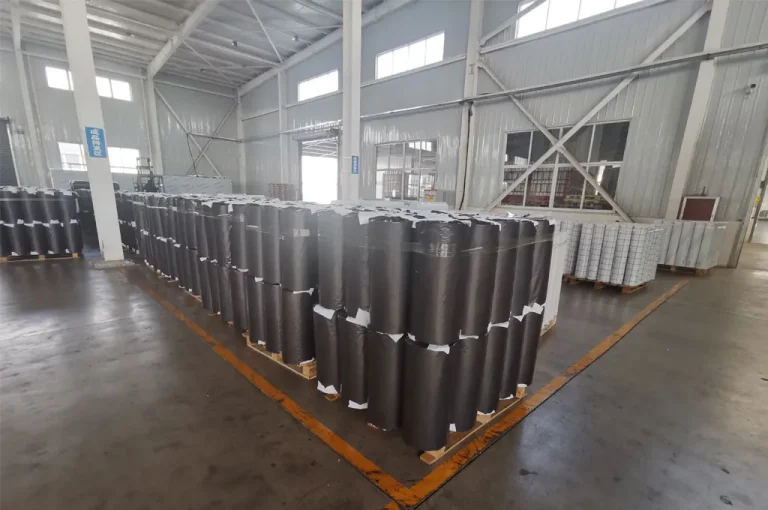
Large contractors, distributors, and brand owners often need consistent specifications across many sites. With OEM/ODM services, you can tailor
film thickness, width, roll length,
surface finish, and adhesion to match your workflow.
Packaging can also be customized for warehouse handling and export shipping, improving on-site distribution and reducing waste.
For interiors—homes, hotels, offices, retail—materials should be suitable for indoor environments. Many professional PVC films are manufactured
with controlled formulations and tested for consistency, including checks for thickness stability, tensile strength, and adhesion performance.
When sourcing for export or regulated projects, request documentation aligned with common market expectations (for example, REACH/RoHS where applicable).
When matched correctly to the surface and applied after full curing, it is designed to protect without damage. Always test a small area first,
especially on fresh coatings or delicate finishes.
It depends on adhesive type, temperature, and traffic. For longer projects, choose a film designed for extended dwell time and remove it on schedule
to reduce residue risk.
Yes, but only after the floor and any adhesives/coatings are fully cured. If the surface is still off-gassing or soft, wait and re-test before full coverage.
Construction with heavy tools and multi-trade traffic typically benefits from thicker, more puncture-resistant film. Moving jobs often prioritize fast application,
reliable grip, and clean removal—thickness should match load and traffic.
Prepare your target specifications (floor type, width, roll length, thickness, adhesion level, and quantity). Suppliers can then recommend the right option and provide samples for site testing.