Address
304 North Cardinal St.
Dorchester Center, MA 02124
Work Hours
Monday to Friday: 7AM - 7PM
Weekend: 10AM - 5PM
Address
304 North Cardinal St.
Dorchester Center, MA 02124
Work Hours
Monday to Friday: 7AM - 7PM
Weekend: 10AM - 5PM


UV printable PVC film is a versatile, cost-efficient material used to create durable, high-impact graphics and functional surface finishes across advertising, interior décor, retail displays, and industrial labeling. With the right film structure, surface treatment, and ink compatibility, it can deliver sharp color, strong adhesion, and reliable performance on flat or lightly curved substrates—while keeping production fast with UV curing.
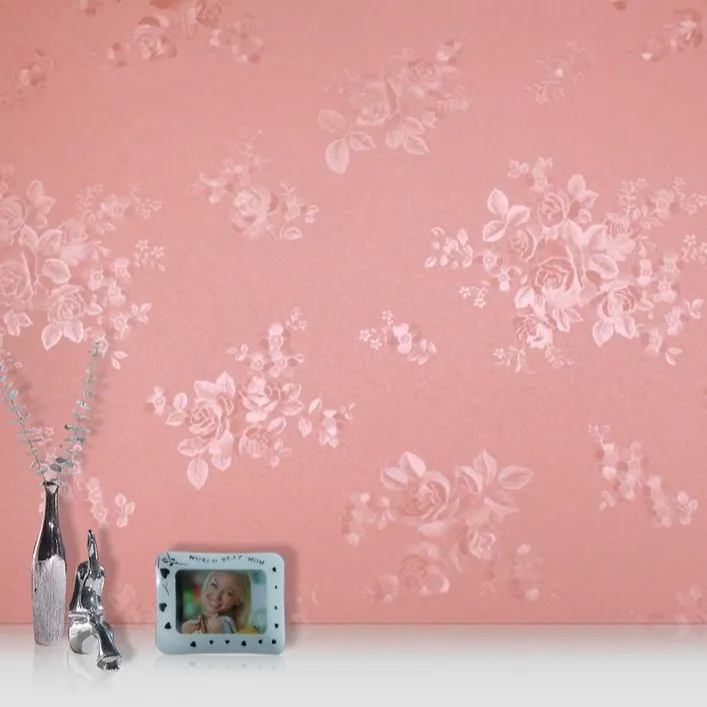
UV printable PVC film is a PVC-based sheet or roll film engineered for direct printing with UV-curable inks. During printing, UV lamps instantly cure the ink, creating a tough ink layer with excellent rub resistance and vibrant color output. Depending on the application, the film may be:
For reliable UV printing, the surface is often optimized with a coating or corona treatment to improve ink wetting, dot gain control, and adhesion.
UV ink cures immediately, so prints can be handled, cut, and packed quickly—ideal for tight project timelines and batch customization.
A good printable top layer supports crisp text, smooth gradients, and strong solid fills for branding and retail visuals.
PVC film can be engineered for scratch resistance, chemical resistance, and easy cleaning—important for public spaces, kitchens, and commercial interiors.
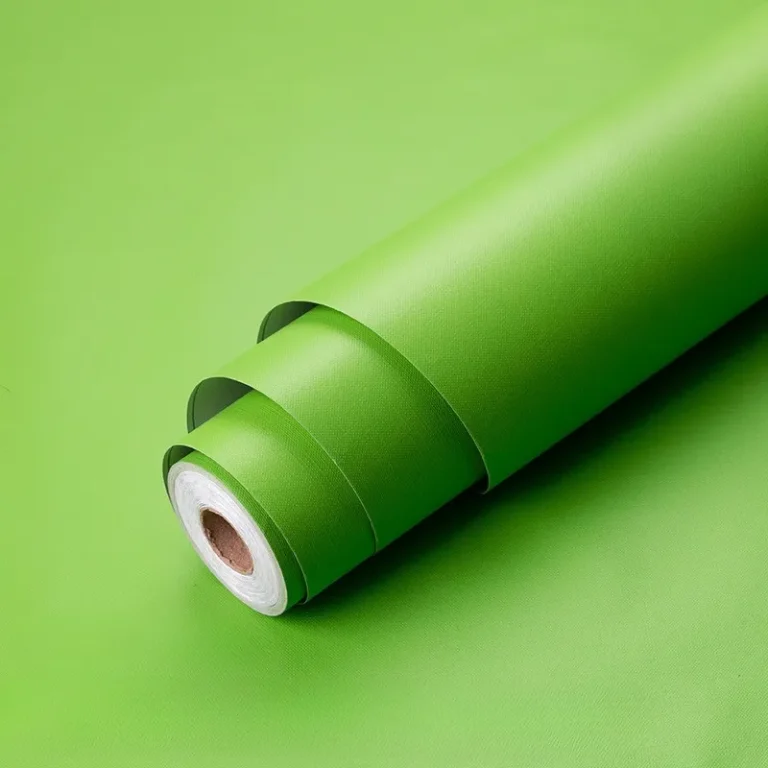
Choose from wood grain, marble, solid colors, metallic looks, embossed textures, and soft-touch finishes. UV printing also enables short runs and variable data.
Tip: When evaluating “printability,” always test under your real press settings (lamp power, speed, ink set, primer use). A film that prints well on one UV system may need a different surface treatment on another.
UV printable PVC film is frequently used for promotional signage, POP displays, light-duty labels, and decorative panels. For production consistency, many buyers start from stable base materials such as calendered film, then select surface options based on gloss level and adhesion needs.
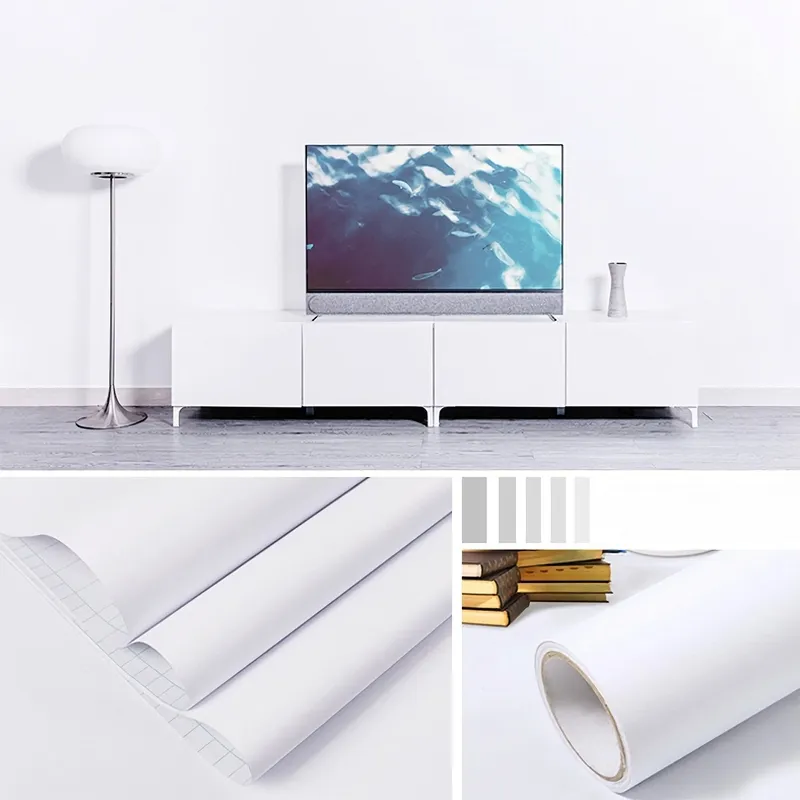
In interior décor, UV printing enables customized patterns for cabinets, wardrobes, doors, wall panels, and partitions. Textures can elevate the final look—especially for boutique retail or hospitality—where films such as 3D silk texture film add tactile depth while still supporting high-resolution printing.
UV printable PVC film can be used for printed skirting and trim wraps that match flooring and wall tones. A product category like PVC skirting film is often chosen for consistent color control and surface durability in high-traffic areas.
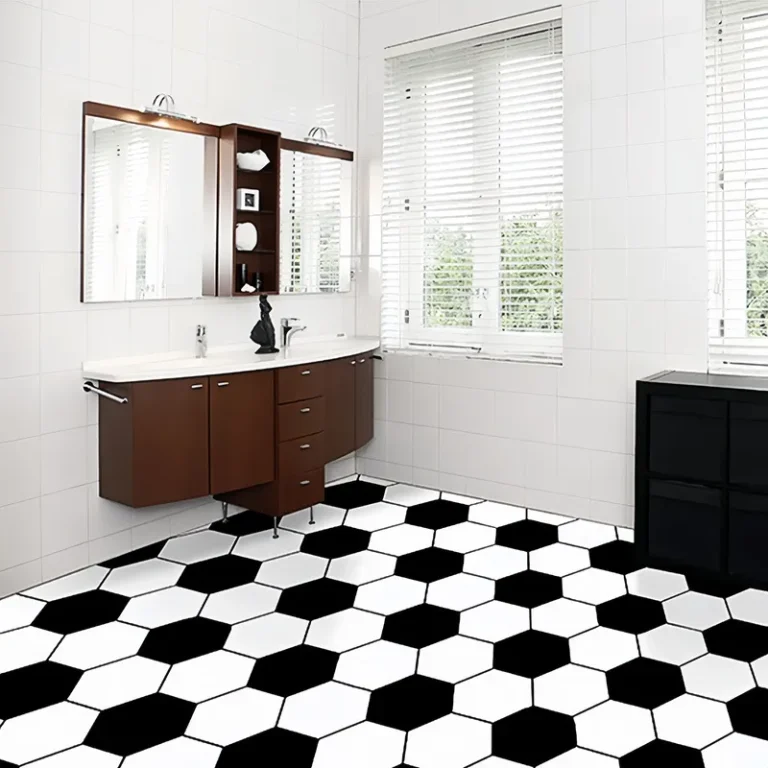
For floor-related decoration (depending on local regulations and required slip ratings), UV printed graphics can be applied to protective layers or specialized floor films. If your project involves heavier wear, consider materials designed for flooring environments such as floor film, and validate abrasion resistance, cleaning chemical resistance, and anti-slip performance.
Films can be specified with functional properties (anti-static, insulation, protective overlays). For control panels and appliance trims, UV printing offers crisp legends and durable icons—especially when combined with the right topcoat and controlled curing.
A widely used option balancing cost and dimensional stability. Suitable for many signage and decorative applications where extreme shrink resistance isn’t required.
Best for: general signage, flat lamination, decorative overlays.
Adds tactile appeal (silk, leather, wood pore, geometric). Texture can influence ink laydown, so it’s important to test small text and dark solids for uniformity.
Used for window graphics, privacy effects, or layered decorative builds. Ensure the film has the right haze/clarity and that white ink (if needed) cures properly.
Even within “PVC film,” differences in plasticizer system, topcoat chemistry, thickness tolerance, and emboss depth can change ink adhesion, curling, and color appearance. Always qualify the exact spec you will mass-produce.
Start with where the film will live: indoors vs outdoors, heat exposure, humidity, cleaning chemicals, and abrasion. For example, a retail sign in a climate-controlled shop needs different durability than a decorative surface near cooking oil or cleaning agents.
Thickness affects handling, flatness, and perceived quality. Too thin can cause curling and show-through; too thick may reduce conformability and increase cost. Also confirm thickness tolerance—consistent gauge improves color stability and registration.
Glossy finishes boost color pop and sharpness; matte finishes reduce glare and fingerprints. Embossed textures can hide minor surface defects and create premium tactile feel, but may require adjusted ink limits for uniform coverage.
Adhesion depends on the topcoat and your UV system. Evaluate with cross-hatch tests, rub tests, and chemical wipe tests. If your production requires bending or wrapping, test after flexing to ensure the ink layer doesn’t crack.
Depending on industry, films may require anti-static, anti-fog, stain resistance, or food-grade and low-VOC considerations. If the film will be touched frequently (e.g., cabinet fronts, retail counters), consider a surface designed for fingerprint resistance and repeated cleaning.
UV printable PVC film is commonly delivered in rolls, slit to width, and protected with dust-prevention wrapping. If you will die-cut labels or plotter-cut shapes, prioritize flatness and consistent release behavior (if adhesive-backed). Packaging matters too: individual roll wrapping reduces transit scuffs and contamination.
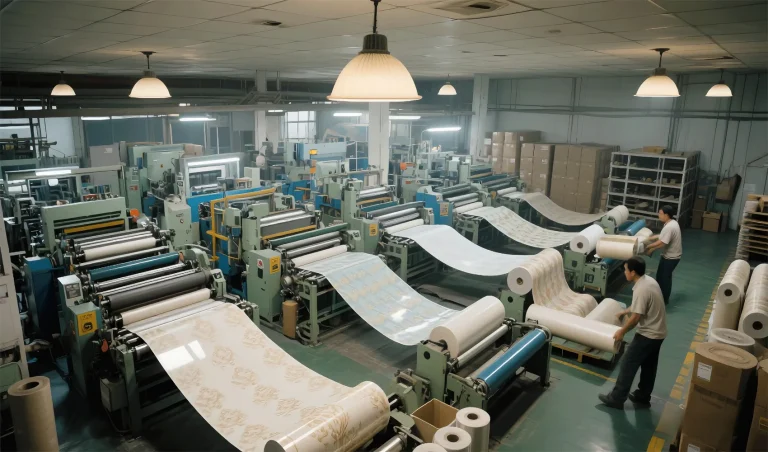
Suppliers with integrated calendering, printing, and slitting/packing lines can better control gauge, surface energy, and lot-to-lot variation. This is especially valuable for multi-roll projects where color and adhesion must remain stable from batch to batch.
When sourcing at scale, ask about QC routines such as thickness measurement, adhesion checks, optical inspection, and batch traceability. If you export or serve regulated sectors, also confirm compliance needs (e.g., REACH/RoHS, heavy-metal and phthalate control, ISO management systems) based on your market requirements.
For customized UV printable PVC film, define thickness, width, roll length, finish (gloss/matte/emboss), color target, and print method. After the first successful trial, keep a signed reference sample and agreed testing method so future lots match.
Application: (signage / furniture wrap / wall panel / trim / other)
Film type: (calendered / transparent / textured / self-adhesive / composite)
Thickness & width: (target + tolerance if needed)
Surface: (gloss/matte/emboss + printable coating requirement)
UV system: (printer model, ink series, lamp type if known)
Quantity & delivery: (trial + monthly volume + destination)
No. UV printability depends on surface energy and coating compatibility. Some PVC films require a dedicated printable topcoat or primer to achieve stable adhesion and color.
Use a film with appropriate flexibility and validate curing (over-curing can make ink brittle). Run bend tests after full cure and after 24 hours to confirm durability.
Glossy enhances color vibrancy and perceived sharpness; matte reduces glare and fingerprints. The “better” choice depends on viewing environment and touch frequency.
Ask for thickness tolerance, surface treatment/coating details, recommended UV ink systems, QC methods, and whether you can approve a reference sample for lot consistency.
Yes. Common options include thickness, width, roll length, finish (gloss/matte/emboss), color matching, printing layers, and protective packaging based on your converting workflow.