Address
304 North Cardinal St.
Dorchester Center, MA 02124
Work Hours
Monday to Friday: 7AM - 7PM
Weekend: 10AM - 5PM
Address
304 North Cardinal St.
Dorchester Center, MA 02124
Work Hours
Monday to Friday: 7AM - 7PM
Weekend: 10AM - 5PM


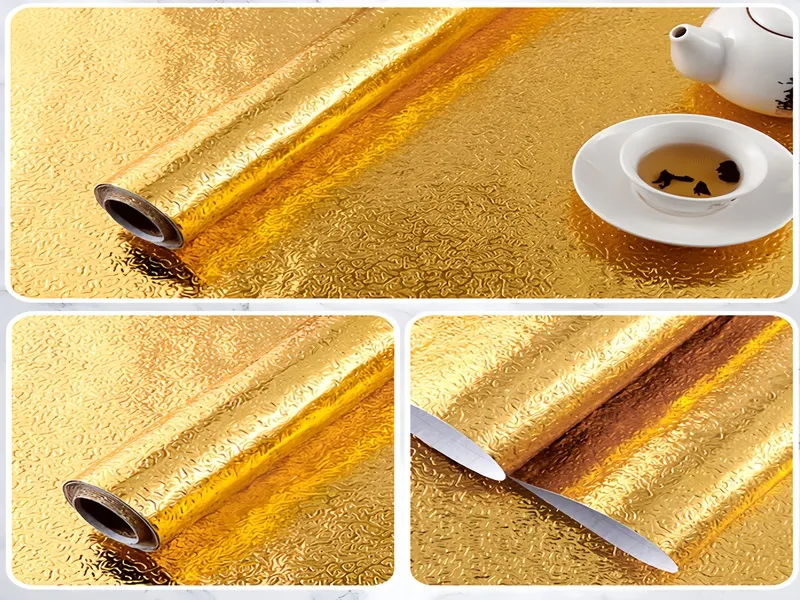
PVC label film is one of the most versatile face materials in modern labeling—balancing durability, printability, and cost for everything from retail packaging to industrial identification. If you need labels that stay readable, resist scuffs, and look consistent across batches, choosing the right PVC label film thickness and finish is the decision that protects both your product image and your compliance needs.
This guide explains how PVC label film works, where it performs best, what benefits matter most in real production, and how to select thickness, finish, and optional treatments (anti-static, anti-fog, etc.) for your exact application—whether you’re labeling consumer goods, appliance panels, furniture parts, or export cartons.
✔ Quick definition:
PVC label film is a polyvinyl chloride-based film used as a label face stock. It can be produced in calendered constructions for stable thickness and high output, and can be finished as glossy, matte, textured, transparent, pearlescent, embossed, or functional-coated surfaces.
Tip:
If you’re comparing film families, start with calendered PVC for cost-effective performance; explore specialized textures when tactile branding matters.
A label is only as reliable as its face stock. PVC label film is widely used because it offers a practical combination of chemical resistance, flexibility, and dimensional stability—especially useful when labels must conform to curves, survive handling, or remain legible in humid or oily environments.
Most PVC label films are produced via calendering, which delivers consistent thickness and smooth surface formation for printing and coating. If you want to understand the base material category, see:
Calendered Film.
Paper labels can be economical and high-quality for indoor, dry, short-lifecycle products. PVC label film is often chosen when you need water resistance, tear resistance, abrasion resistance, and longer service life. It also handles curved surfaces better and keeps graphics intact under frequent touch.
PET can offer higher temperature resistance and stiffness; PP is lightweight and often used for squeezable packaging. PVC label film stands out for balanced flexibility and robust surface options—especially when you need embossed textures, soft-touch feel, or high-gloss depth without overcomplicating converting.
PVC label film supports a wide range of industries because it can be engineered in finish, thickness, and functional coatings. Below are the most common use cases where PVC label films consistently deliver value.
Ideal for branded stickers, promotional labels, and packaging labels that need visual impact + scuff resistance. Glossy and clear options help premiumize packaging, while matte reduces glare under store lighting.
Used for model labels, warning labels, control panel graphics, and protective overlays. Consider anti-static options for electronics areas and abrasion-resistant finishes for frequent-touch zones.
Useful for product information, SKU labels, care labels, and branding elements on furniture and panels. If your brand likes tactile, fabric-like textures, textured films can complement interior aesthetics (for example, silk-style textures on display samples).
PVC label film helps maintain barcode readability and text clarity in humid warehouses or long-distance shipping. It’s a strong choice when cartons face friction, condensation, or repeated handling.
Great for labels exposed to splashes, cleaning, or oily residues—where paper can wrinkle or stain. If your label is near cooking oils, pairing the right film with the right adhesive system becomes especially important.
Beyond performance, PVC films can also be produced with eco-conscious, non-toxic inks and designed to meet major compliance expectations (often including REACH/RoHS and related requirements), which is important for export and regulated industries.
Thickness affects stiffness, conformability, durability, and how “premium” a label feels in hand. There’s no single perfect thickness; the right choice depends on the application surface, expected abrasion, and the converting process (die-cutting, dispensing, and labeling speed).
Note: Actual specs vary by formulation and supplier. Always validate with samples and end-use testing.
| Thickness Range | Best For | What to Watch |
|---|---|---|
| 50–80 μm | High-speed labeling, cost-sensitive runs, smoother surfaces | Less “rigid feel”; may show surface defects underneath |
| 80–120 μm | Most general-purpose product labels, good balance | Confirm die-cut settings and dispensing behavior |
| 120–200 μm | Premium feel, higher abrasion zones, equipment ID, durable tags | Stiffer; may bridge over deep textures or tight curves |
If your label must conform to a bottle shoulder, textured plastic, or rounded corners, a thinner, more flexible film can reduce edge-lift risk. If your label is flat and faces abrasion (warehouse handling, frequent wiping), a thicker film may preserve print longer.
★ Field rule:
If you are torn between two thicknesses, choose the one that improves dispensing stability on your labeling line—then increase durability via finish/coating rather than excessive thickness.
Finish is not only about appearance; it affects scratch visibility, fingerprinting, readability, and how your label looks under different lighting (retail LEDs, warehouse fluorescents, sunlight through windows).
Best for bold colors and premium shine. Great for retail branding, but may show glare and fingerprints. If your product is frequently handled, consider a slightly textured or protective topcoat.
For decorative glossy surfaces in related applications, explore:
Glossy Wardrobe Film.
Reduces reflections for better readability, especially for instructions, QR codes, and warning labels. Often hides scuffs better than high gloss.
Adds tactile branding and can reduce fingerprint visibility. Textures can also help minor surface scratches blend in. For a refined tactile option, see:
3D Silk Texture Film.
Enables “no-label look” designs and lets packaging colors show through. Ensure your printing system supports white underprint if needed for contrast.
Many label failures come from the environment—not the graphic design. If your labels face condensation, static dust attraction, frequent cleaning, or high-touch use, consider these functional upgrades.
PVC label film can be engineered for different ink systems and print methods. Before mass production, validate:
ink adhesion, curing behavior, rub resistance, and color consistency—especially on matte and textured surfaces.
Converting success depends on thickness consistency, liner/adhesive pairing, and die settings. If labels will be automatically applied, confirm smooth dispensing at target speeds and temperatures. A small thickness change can improve feeding stability more than you expect.
⚑ Production checklist:
Test at least 3 conditions—room temperature, high humidity, and post-rub/handling—then adjust finish/coating before changing artwork.
Some label applications overlap with interior decoration and product styling—especially for furniture components, showroom samples, and brand displays. If you need labels that visually match interior surfaces, decorative PVC films can inspire a coherent look across product lines.
For design-driven patterns used in related surface solutions, you can reference:
Wood Grain Film
and
Marble Film.
If you’re sourcing PVC label film at scale or need a unique performance target, OEM/ODM customization can reduce total cost by ensuring the film is built for your process (printing, lamination, die-cutting, labeling speed) rather than forcing workarounds.
For projects requiring stable lead times and consistent batches, full-process production (calendering, printing, slitting, and packing) helps control quality and delivery—especially when you export to multiple regions and need predictable performance across climates.
For general labeling, 80–120 μm is a common balance. Use thinner films for better conformability and high-speed dispensing, and thicker films for premium feel and abrasion-heavy environments.
Choose glossy for maximum color pop and shelf impact; choose matte for readability, reduced glare, and better scuff hiding in frequent-touch use.
Yes. Many suppliers offer anti-static, anti-fog, and enhanced chemical resistance options, plus custom thickness, finish, color, and roll sizes for your converting process.
In many cases, yes—PVC label film’s moisture resistance is a key advantage. For oily or frequently cleaned surfaces, also confirm ink rub resistance and the correct adhesive pairing.
Request samples and test print adhesion, rub resistance, die-cut/dispensing performance, humidity exposure, and real-surface adhesion. If exporting, request relevant compliance reports and batch consistency information.