Address
304 North Cardinal St.
Dorchester Center, MA 02124
Work Hours
Monday to Friday: 7AM - 7PM
Weekend: 10AM - 5PM
Address
304 North Cardinal St.
Dorchester Center, MA 02124
Work Hours
Monday to Friday: 7AM - 7PM
Weekend: 10AM - 5PM


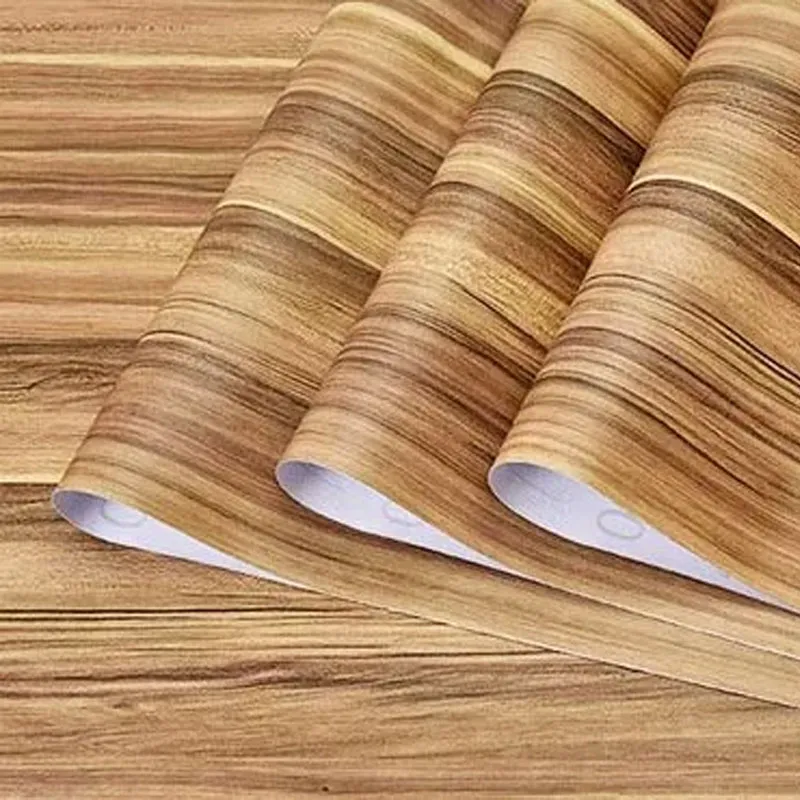
Electronics travel with us everywhere—phones in pockets, tablets in backpacks, laptops in meeting rooms, and smart devices in workshops. In daily use, micro-scratches, dust, fingerprints, and packaging abrasion can quickly reduce the appearance and resale value of screens and device surfaces. PVC protective film is a practical, scalable solution designed to deliver anti-scratch, dustproof, and surface protection for electronics from manufacturing to end-user use.

This guide explains how PVC protective film works, where it performs best, how to choose specifications, and how professional production control improves consistency. If you want to explore PVC film categories beyond electronics, you can also visit Pulivk Film for an overview of film solutions and capabilities.
PVC protective film is a thin, flexible film designed to temporarily cover device surfaces during production, assembly, storage, shipping, retail display, and even short-term consumer use. It helps reduce defects and returns caused by cosmetic damage.
PVC protective film is commonly applied to smooth and semi-smooth surfaces where appearance matters and minor damage is costly. Typical electronics and components include:
Phone screens, tablet glass, touch panels, monitor bezels, and glossy protective windows can pick up hairline scratches during assembly and packing. A clean peel-off film reduces surface rework and improves yield.
PC cases, laptop lids, glossy trims, brushed-look panels, and decorative inserts often need protection from fingerprints, scuffs, and rubbing during shipping or retail handling.
Control overlays and glossy panel surfaces on appliances can be protected before final installation, reducing cosmetic issues for both installers and end customers.
Anti-scratch performance depends on film thickness, surface hardness, and adhesive balance. In electronics packaging and production, most scratches come from light abrasion: dust particles, carton fibers, plastic trays, gloves, and repetitive contact in logistics. A well-selected PVC protective film reduces these micro-damages without leaving residue or causing haze.
✔ Practical tip: If your surface is high-gloss (piano black, mirror-like acrylic, coated glass), prioritize a film designed for clean peel and low contamination. For textured or matte surfaces, focus on conformability and stable adhesion so the film doesn’t lift at edges.
⚠ Avoid over-adhesion: Strong adhesive can increase the risk of residue, especially after long storage or heat exposure. The goal is secure hold + clean removal.
Dust is a major cause of cosmetic rejects—especially on screens and glossy panels where particles are easy to see under bright inspection lights. PVC protective film acts as a barrier during:
For high-sensitivity environments, adding functional options such as anti-static can help reduce dust attraction, improving cleanliness and minimizing wipe-down effort before final packaging.
Thicker films generally provide better cushioning and abrasion resistance, while thinner films improve conformability and cost. Your ideal thickness depends on whether you need light scratch protection (warehouse handling) or stronger protection (long-distance logistics, multi-layer stacking).
Transparent protective film keeps product color and branding visible, which is useful for quality checks and retail presentation. Matte/frosted options can reduce glare and show fewer fingerprints during handling. For consistent clarity and stable properties, many manufacturers start from calendered film as a base and tune surface/adhesive to match the application.
Electronics protection requires controlled adhesion: strong enough to resist edge lifting and bubbles, but gentle enough to remove without residue or surface marks. For sensitive coatings and premium finishes, clean peel performance is often more important than maximum tack.
Protective films often fail not because the idea is wrong, but because the supply is inconsistent—variation in thickness, haze, adhesion, or winding quality can cause application defects, wrinkles, or removal problems. A manufacturer with full-process capabilities can control these variables more effectively.
If you’d like background on capabilities and standards, see About Us.
Electronics brands and component factories often require tailored specifications to fit their processes and product geometry. With OEM/ODM, PVC protective film can be adjusted for:
Thickness, width, roll length, core size, and winding direction can be aligned to manual use or automatic laminating machines.
Options may include anti-static properties, controlled peel strength, and surface treatments for smoother application and removal on sensitive finishes.
Color-tinted protective film or light printing can help production teams quickly identify protected areas, differentiate SKUs, or communicate peel direction.
For product selection references and broader film categories (including decorative and functional films), you can browse the Product section and compare options suitable for different surfaces.
For electronics supply chains—especially those serving multiple regions—material compliance and consistency are essential. PVC film for protective use is often evaluated for:
If you need documentation, testing support, or specification alignment, check the official FAQ or request details through the supplier’s contact channel.
Properly matched adhesion and controlled storage conditions help ensure clean removal. For premium glossy surfaces, choose clean-peel formulations and avoid long exposure to heat during storage.
There is no single “best” thickness. Light-duty protection may use thinner films for better conformability, while longer shipping cycles and stacking may require thicker films for improved abrasion resistance.
Yes. Anti-static options can reduce dust attraction, which is especially useful for display panels, glossy trims, and clean packaging workflows.
Yes. Specifications such as width, roll length, thickness, surface finish, and peel strength can be customized to match your production line and device surface requirements.
Prepare your target surface type, film thickness, size/roll format, adhesion preference, and estimated quantity, then submit an inquiry via the supplier contact page for a fast response and sampling arrangement.