Address
304 North Cardinal St.
Dorchester Center, MA 02124
Work Hours
Monday to Friday: 7AM - 7PM
Weekend: 10AM - 5PM
Address
304 North Cardinal St.
Dorchester Center, MA 02124
Work Hours
Monday to Friday: 7AM - 7PM
Weekend: 10AM - 5PM


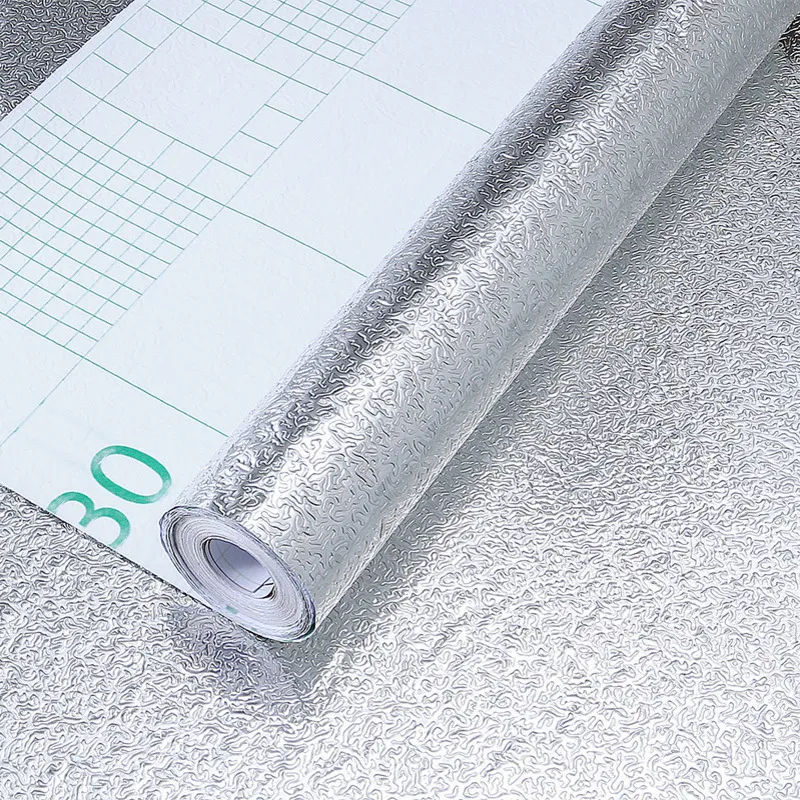
Glass surfaces look premium, but they are also easy to damage during transport, installation, renovation, daily cleaning, and high-traffic use. A high-quality Glass Protection PVC Film acts as a durable, scratch-resistant surface shield for windows, mirrors, and panels—helping reduce rework, preserve optical clarity, and keep finished projects looking “new” from factory to final handover.
Even tempered or laminated glass can suffer from micro-scratches, abrasion haze, cement splashes, paint mist, tool marks, or adhesive residue from tapes. On mirrors, small surface defects are especially visible under lighting. Protective PVC film provides a controlled sacrificial layer so the glass itself remains untouched until you intentionally remove the film.
✔ Loading/unloading and pallet friction
✔ Fabrication steps: cutting tables, edge grinding areas, temporary stacking
✔ Jobsite exposure: dust, cement slurry, sealant smears, overspray
✔ Cleaning & handover: accidental abrasive wiping, tool bumps
Glass protection PVC film is a calendered PVC sheet engineered for temporary surface shielding. Depending on the project, it may be supplied as clear or lightly tinted film, with options for matte or glossy appearance, and with controlled adhesion (commonly self-adhesive variants) to keep the film stable while still allowing clean removal.
For manufacturers and contractors who need consistent thickness and stable unwinding, calendering is a proven method for producing durable, uniform rolls. Explore calendered options here:
https://pvcfilmtec.com/product/calendered-film/
PVC’s toughness helps absorb rubbing from packing materials, gloves, tools, and debris. This reduces surface haze and prevents “swirl” marks that become visible in strong sunlight or showroom lighting.
The right adhesive balance keeps the film firmly in place during processing and transport, yet allows removal at the final stage. A well-engineered film minimizes glue transfer and reduces post-removal cleanup time.
Clear protection films allow visual checks of glass quality without frequent removal. This supports faster QC and fewer handling risks.
Windows: from factory staging to onsite fitting, film prevents scratches from spacers, suction cups, ladders, and masonry dust.
Mirrors: protection is critical during bathroom and retail fit-outs, where bright lights expose tiny defects.
Glass panels: partitions, balustrades, cabinet glass, and display panels benefit from a removable shield until final cleanup.
● Keep the film on through dusty, wet, or abrasive stages (plastering, grouting, sanding).
● Remove only after final cleaning and before client handover to reveal a flawless surface.
Not every protective film performs the same. Selecting the right specification depends on the glass type, the expected handling, and how long the film must stay in place. Below are the key decision factors that procurement teams and installers typically review.
Thicker film generally improves puncture and abrasion resistance, while thinner film can be easier to conform and more cost-effective for short-term protection. For large panels, slightly higher stiffness can also help prevent wrinkling during lamination and packing.
Adhesion should be strong enough to prevent lifting at edges, but not so aggressive that removal becomes difficult. Medium tack is common for general glass protection; low tack may suit sensitive coatings; higher tack can help in humid, dusty jobsites—when tested for residue-free removal.
Glossy films maintain visibility for inspection; matte surfaces can reduce glare and show fewer handling marks. Some projects choose matte simply to make the presence of the film obvious to site workers, reducing accidental scraping on unprotected zones.
In electronics workshops, cleanrooms, or dusty fabrication lines, anti-static treatment can reduce dust attraction. For humid environments, anti-fog options may keep visibility clearer. These upgrades can improve handling efficiency and reduce cleaning time.
Proper application reduces bubbles, edge lift, and premature peeling—especially important for large windows and wall-mounted mirror panels. The steps below are suitable for factories, glass processors, and onsite installers.
Remove dust, fine grit, and moisture. Any particles trapped under the film can create pressure points that look like scratches after removal.
Start from one edge, align carefully, and tack a short section first. This controls skew and reduces waste.
Use a squeegee or roller, pushing air outward. For large panes, apply in lanes to prevent trapped bubbles.
If the film will remain through heavy construction phases, ensure edges are pressed firmly to reduce dust ingress and peeling.
Some coated or treated glass types (low-E coatings, anti-reflective coatings, decorative printed glass, and certain mirror backings) may require extra validation. The safest approach is to perform a small trial:
apply → wait under expected conditions → remove → inspect for residue or optical change.
⚑ Avoid applying to hot glass directly under strong sun; let the surface cool for stable adhesion.
⚑ Don’t leave protective film on longer than the recommended period for your environment (heat/UV can affect removability).
⚑ For mirrors, protect edges carefully—edge chips are common during installation.
Pulivk Film focuses on PVC film R&D and manufacturing, supporting industries such as furniture, construction, electronics, advertising, medical, and home applications. With in-house calendering, printing, and slitting/packaging capability, we can manage every stage from raw material to finished roll—helping customers achieve stable quality, shorter lead time, and better cost control.
Beyond transparent protective options, production can support matte, embossed, pearlescent, colored, anti-static, self-adhesive, single-layer and multi-layer composite structures, and custom roll slitting with dust-proof wrapping. OEM/ODM is available for thickness, width, color, printing, and packaging design.
If you want to understand more about our product categories and how films are selected for different scenarios, you can visit:
https://pvcfilmtec.com/product/
and our knowledge hub:
https://pvcfilmtec.com/knowledge/.
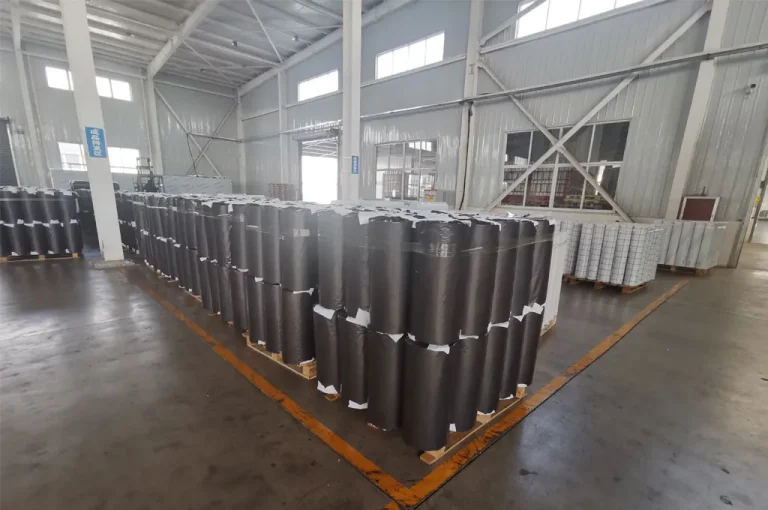
Protection film only works if it arrives clean, flat, and ready to apply. Export-ready packaging—such as individual roll wrapping with dust-proof materials and labeled specifications—reduces contamination risk and improves warehouse identification. For long-distance shipping, moisture protection and safe edge handling help preserve adhesion consistency and unwind smoothness.
✓ Confirm glass type and any coatings (trial recommended).
✓ Define required protection duration (days/weeks) and exposure (UV/heat/dust).
✓ Choose thickness + tack level + finish based on handling intensity.
✓ Decide roll width/slitting specs to match your lamination table or cutting workflow.
Many contractors and manufacturers prefer sourcing multiple surface films from one system to maintain consistent color, texture, and quality control across a project. Depending on your interior or fabrication needs, these options may also be relevant:
• Floor protection and finishing films:
https://pvcfilmtec.com/product/floor-film/
• Decorative stone look for panels and furniture:
https://pvcfilmtec.com/product/marble-film/
• Solid color surface finishing for interiors:
https://pvcfilmtec.com/product/solid-color-wallpaper/
For indoor environments—homes, offices, hospitals, and retail—material safety matters. Pulivk Film uses environmentally friendly, non-toxic inks and emphasizes durable performance even in demanding conditions. For compliance-focused projects, it’s important to confirm applicable standards and request documentation when needed (e.g., REACH/RoHS/FDA-related requirements for specific use cases).
Properly specified temporary protective film is designed for clean removal. However, residue risk depends on adhesion level, surface coating, heat/UV exposure, and how long the film is left in place—trial testing is recommended for coated or specialty glass.
Use low tack for sensitive coatings, medium tack for general handling and transport, and higher tack for tougher jobsite conditions—then validate removability under your expected temperature and time window.
It can, but outdoor heat and UV may affect adhesion and removability. Define the protection duration upfront and choose a film designed for your exposure conditions; remove within the recommended timeframe.
Clear film is great for inspection and visibility; matte film reduces glare and can make the protected area more obvious to workers. The “best” choice depends on your workflow and site conditions.
Yes. OEM/ODM customization commonly covers thickness, width, roll size, surface treatment (e.g., anti-static), color/printing, and export-ready packaging to match your production and logistics needs.