Address
304 North Cardinal St.
Dorchester Center, MA 02124
Work Hours
Monday to Friday: 7AM - 7PM
Weekend: 10AM - 5PM
Address
304 North Cardinal St.
Dorchester Center, MA 02124
Work Hours
Monday to Friday: 7AM - 7PM
Weekend: 10AM - 5PM


UV protection PVC film (also called UV resistant PVC sheet or UV-stabilized PVC film) is designed to slow down the damage caused by sunlight—especially ultraviolet radiation that leads to yellowing, fading, brittleness, and loss of gloss. Whether you’re laminating furniture panels, protecting decorative surfaces, or producing durable interior materials for high-light environments, choosing the right UV-resistant film is a practical way to extend service life and reduce maintenance.

Key takeaway:
UV protection is not a single “feature”—it is the combined result of formulation (UV absorbers/stabilizers), film structure, thickness, surface finish, and proper installation.
PVC film is a flexible or semi-rigid plastic sheet made from polyvinyl chloride. When formulated for UV resistance, the film contains additives that help reduce photodegradation. In real-world terms, UV protection PVC film helps preserve color stability, surface integrity, and appearance when exposed to sunlight or strong indoor lighting.
However, UV resistant does not mean “sun-proof forever.” Performance depends on exposure intensity, temperature, installation substrate, and whether the film is used indoors, semi-outdoors (behind glass), or outdoors. For applications that face direct outdoor weathering, you may need additional protective layers or a different polymer system.
If you’re evaluating film structure and consistency, starting from a stable base matters. For example, calendered film is commonly selected for controlled thickness, uniform appearance, and predictable lamination behavior.
UV light breaks chemical bonds in polymers over time. In PVC-based decorative systems, the visible problems usually appear as:
What to watch for (field symptoms):
UV-stabilized PVC film is often chosen not just for durability, but for predictable performance in production and end-use. The most valuable benefits include:
Decorative laminations are purchased for appearance—grain depth, gloss level, texture, and color harmony. UV protection helps the surface look “new” longer, especially near windows, glass facades, or strong showroom lighting.
In furniture, wall panels, and interior partitions, UV fading can trigger complaints and replacements. A UV resistant PVC sheet lowers the risk of premature color mismatch between sun-exposed and shaded areas.
UV degradation often goes together with reduced flexibility and strength. UV-stabilized films help keep edges, corners, and wrapped profiles more reliable during normal use.
If you produce multiple SKUs (wood grain, marble, solid colors), UV protection supports more consistent long-term appearance—especially important for repeat orders or large commercial projects.
UV resistant PVC film is used across furniture, construction decoration, electronics, advertising, medical/cleanroom packaging, and home products. Below are the most common scenarios where UV protection brings measurable value.
🔎 High-ROI placements for UV-resistant films:
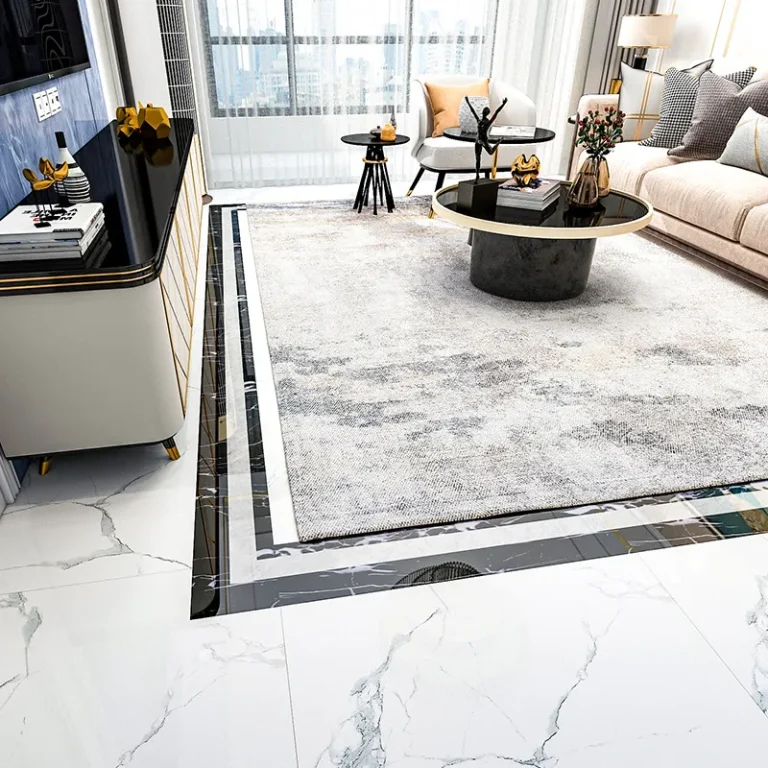
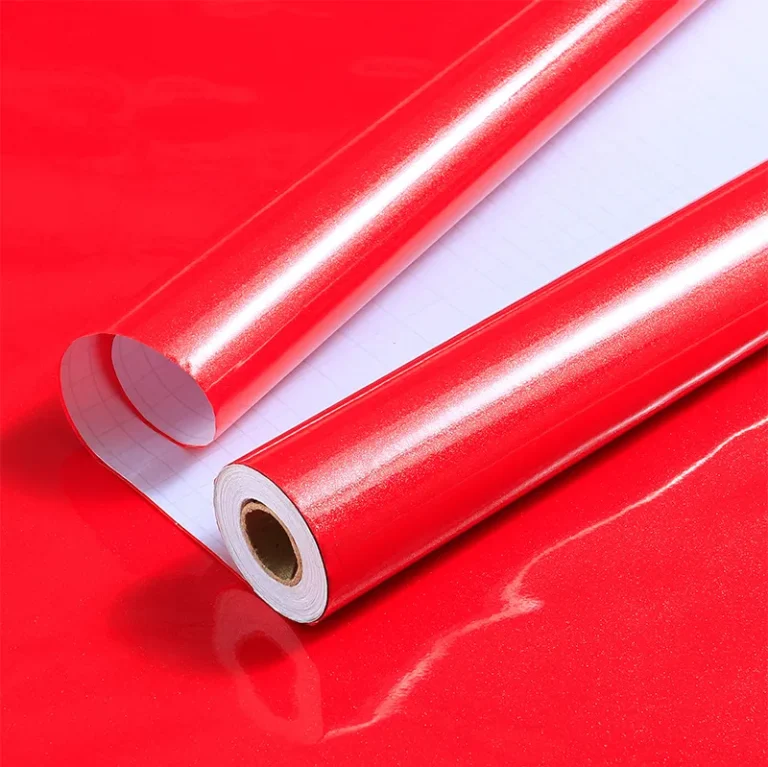
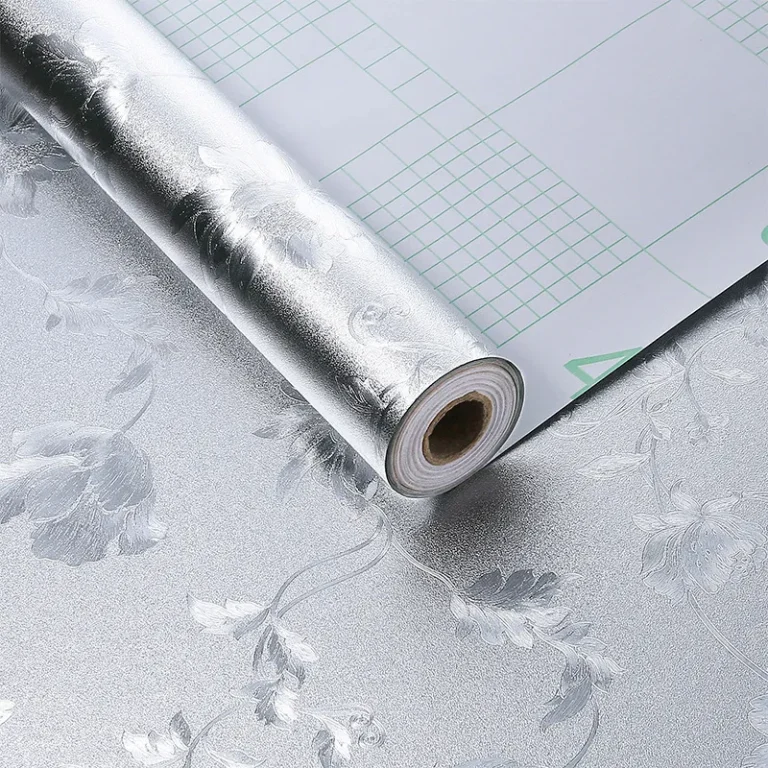
Decorative films—wood grain, marble, solid colors, and textured styles—are widely used on furniture boards and interior finishing. If your design theme depends on stable tone (for example, warm oak, cool grey marble, or pure white), UV stabilization becomes critical.
Popular decorative options include wood grain film and marble film, which benefit from UV protection to reduce fading and maintain pattern contrast over time.
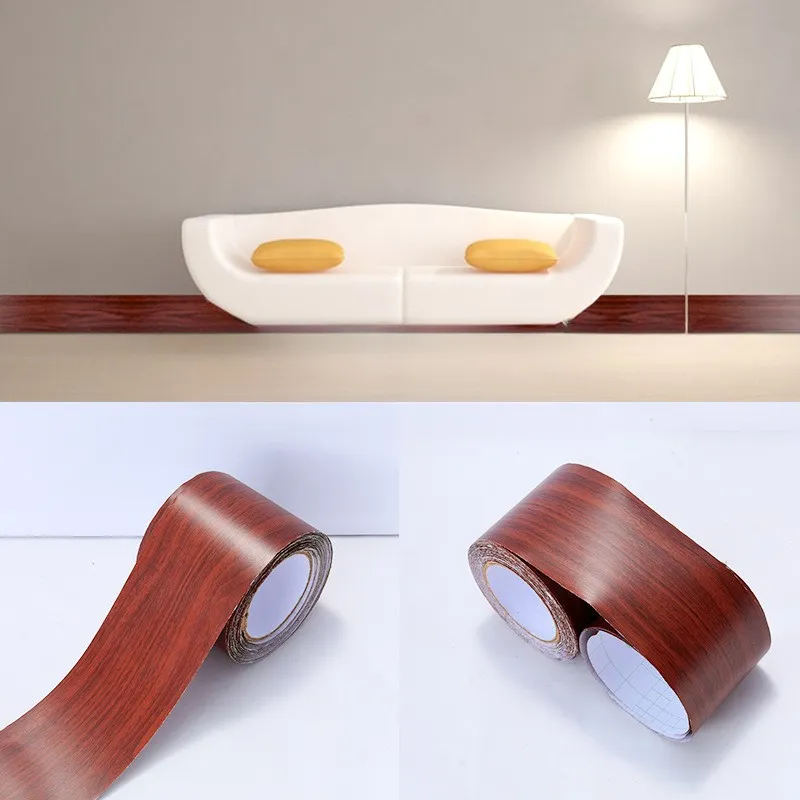
Baseboards and skirting lines sit right where sunlight angles in and cleaning routines are frequent. A UV resistant PVC sheet can help reduce discoloration at the most noticeable boundary between wall and floor. If skirting is part of your project, consider a dedicated solution such as PVC skirting film engineered for consistent surface finish and easy processing.
Floors receive both light exposure and abrasion. UV protection helps keep the surface from dulling too quickly in sunlit zones and supports long-term appearance matching across the room. For projects that require floor-surface materials, you can reference floor film options depending on embossing, thickness, and end-use requirements.
Selecting UV protection PVC film is easiest when you translate your project into technical requirements. Use the checklist below to avoid under-specifying (leading to fading complaints) or over-specifying (leading to unnecessary cost).
Thickness affects handling, lamination behavior, and durability. Thicker films often provide better coverage and wear resistance, while thinner films can be easier for certain wraps and cost-sensitive applications. If you are laminating boards or forming profiles, match thickness to:
UV protection should be compatible with the finish. High-gloss surfaces can reveal yellowing or gloss drop more clearly, while matte/embossed surfaces can hide minor wear but may trap dirt if texture is too deep for the cleaning method used. For premium decorative feel, textures can add value—but confirm UV stability of pigments and topcoat systems.
✔ Quick matching tip:
If your project uses light colors (white/cream/grey) or transparent film, prioritize anti-yellowing performance. If it uses dark or saturated colors, prioritize resistance to fading and gloss change.
Many buyers need films that are suitable for indoor decoration and human contact. Ask suppliers to confirm compliance such as ISO management systems and material regulations (commonly requested: REACH, RoHS, and phthalate/heavy metal restrictions). If the film is used near food-contact surfaces or sensitive environments, clarify which standards apply and request documentation.
UV resistance should be validated with relevant aging tests and real-use simulation. When comparing suppliers, ask for:
Even a high-quality UV resistant PVC sheet can underperform if processing is inconsistent. These practical actions help preserve the designed performance:
Dust, oil, or moisture can reduce adhesion and cause edge lifting—exposing the film edge to accelerated aging. Ensure substrates are clean, dry, and properly prepared, and keep lamination temperature/pressure within the supplier’s recommended range.
Excessive heat can distort embossing, change gloss, or stress the polymer. If your application involves wrapping and forming, use stable parameters and verify corner performance after cooling.
Harsh solvents and abrasive pads can damage the surface layer and reduce UV protection effectiveness. Recommend mild cleaners and soft cloths for routine care, especially for matte/soft-touch surfaces.
UV performance is strongly tied to process stability. Consistent calendering, printing, and slitting/packaging reduce variation in thickness, color, and surface behavior. Full-process control also helps shorten lead time and lowers overall cost by reducing rework and waste—important for projects with strict deadlines.
Production capabilities that support consistency:
To get accurate quotations and comparable samples, include these points in your inquiry:
Some UV-stabilized PVC films can handle semi-outdoor conditions (for example, behind glass or in shaded areas), but direct outdoor exposure requires higher weathering performance. Confirm the intended environment and request UV aging results before specifying.
It significantly slows down aging, but it cannot stop it entirely. Final performance depends on UV intensity, heat, pigments, film thickness, and cleaning/maintenance habits.
Ask for the same test method and acceptance criteria (for example, color shift ΔE and gloss retention after a specified UV aging duration). Also compare batch consistency controls and sample-to-mass-production matching.
UV durability is mainly formulation-driven, but finish changes how aging looks. Glossy surfaces show gloss loss and yellowing more clearly; textured/matte surfaces can visually mask minor changes but still require UV stabilization.
Provide application, thickness/width/roll length, finish/pattern, exposure conditions, compliance requirements, and expected quantity. This helps suppliers recommend the right UV-resistant formulation and prepare comparable samples.