Address
304 North Cardinal St.
Dorchester Center, MA 02124
Work Hours
Monday to Friday: 7AM - 7PM
Weekend: 10AM - 5PM
Address
304 North Cardinal St.
Dorchester Center, MA 02124
Work Hours
Monday to Friday: 7AM - 7PM
Weekend: 10AM - 5PM


A car color change vinyl film wrap is one of the fastest ways to refresh your vehicle’s look without committing to permanent paint. Whether you want a sleek satin black, a vibrant gloss red, or a subtle matte gray, modern wrap films can deliver a factory-like finish while adding a layer of protection to the original paint. This guide breaks down the best options, real benefits, typical costs, and practical installation tips so you can choose confidently.
Color change vinyl film is a thin, flexible, adhesive-backed material applied over painted body panels. Instead of altering the paint, it “covers” it, creating a new visible color and finish. High-quality films are engineered with:
stable pigments, UV resistance, and conformable PVC constructions that can stretch around curves and recesses.
✔ Key idea:
A wrap changes appearance without sanding, spraying, or permanent modification. When removed correctly, the underlying paint can remain intact and protected.
“Best” depends on your goals: maximum gloss, low maintenance, bold styling, or understated luxury. Below are the most common film finish categories and what to expect.
Gloss wraps aim to mimic a painted clearcoat shine. They’re popular for daily drivers because they look “OEM” from a distance and photograph well. If you want a clean showroom vibe, gloss is a safe choice—especially in classic colors like white, black, silver, and red.
Matte reduces reflections for a stealthy, modern appearance. It highlights body lines and looks premium on sports cars and SUVs. Keep in mind matte surfaces can show stains and fingerprints more easily, so gentle washing habits matter.
Satin sits between gloss and matte—soft sheen, less glare, and generally easier to maintain than true matte. Satin black and satin dark gray are top sellers because they look aggressive without appearing “flat.”
Metallic and pearl films add depth using reflective flakes or pearlescent layers. These can look stunning under sunlight and streetlights, but they require skilled installation to avoid visual inconsistencies across panels.
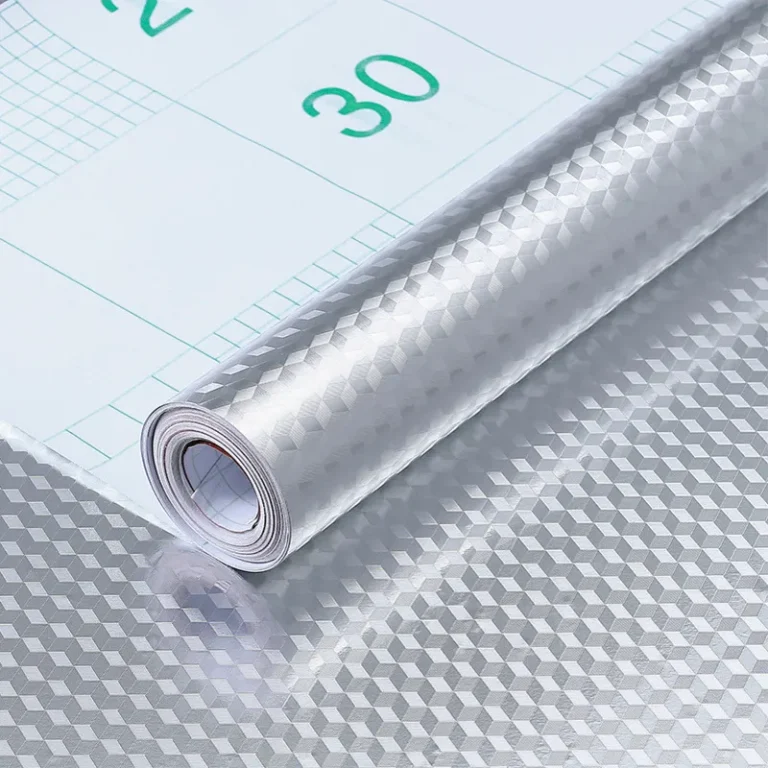
Textures (like silk, brushed effects, or subtle fabric-like finishes) create a high-end, tactile look. For example, a silk-like surface can be a refined alternative to matte. If you’re exploring textured decorative materials, you can also review finishes like
3D silk texture film
to understand how texture changes visual depth and light reflection.
Not all vinyl films behave the same. A reliable color change wrap should be consistent in thickness, stable in color, and designed for controlled stretch during installation.
Manufacturing quality plays a big role—especially for large panels like hoods, roofs, and doors.
● Conformability: can it stretch smoothly around curves without whitening or distortion?
● Adhesive control: allows repositioning, then locks down firmly.
● Color consistency: panel-to-panel match under sunlight and indoor light.
● Durability: resistance to UV, weather, minor scratches, and road grime.
If you want to learn more about how calendering influences film stability and surface uniformity, see
calendered film
specifications and typical use cases. While “car wrap vinyl” and “decorative PVC film” are not always identical categories, understanding production methods helps you ask better questions about thickness tolerance, surface finish, and batch consistency.
A well-installed wrap can be both a style upgrade and a practical decision. Here are the biggest advantages most vehicle owners care about.
You can switch colors seasonally, follow trends, or build a unique look without repainting. This is ideal for leased vehicles, newer cars you want to preserve, or owners who enjoy changing aesthetics over time.
Vinyl film takes the hit from small abrasions, light scratches, UV exposure, and road contaminants. While it won’t stop major impacts, it can reduce wear and help preserve resale value if your original paint stays in better condition.
Professional wraps often take a few days depending on vehicle size and complexity. A full repaint can take longer due to sanding, curing, and multiple spray stages—plus higher risk of dust nibs and mismatched panels.
★ Practical note:
If your goal is protection first, consider combining a color change wrap with additional high-impact protection on the front bumper/hood (depending on your local road conditions).
Wrap pricing depends on vehicle size, paint condition, chosen film, and installation complexity (mirrors, bumpers, door handles, sensors, trims). Costs generally fall into three buckets:
materials, labor, and prep/finishing.
1. Vehicle type: compact car vs. full-size SUV vs. van.
2. Color/finish: gloss is often simpler than complex metallic/pearls.
3. Panel complexity: deep recesses, sharp edges, wide bumpers.
4. Disassembly: removing trims, badges, handles improves finish but adds labor.
5. Paint condition: chips, peeling clearcoat, rust, or heavy swirl marks increase prep.
In many markets, a professional full wrap is commonly priced from the mid hundreds to several thousand USD depending on the factors above. If you see a quote far below the local average, verify the film brand, surface prep process, and warranty terms—cheap wraps often fail early at edges and high-heat zones.
Wrapping is not just “sticking vinyl” onto a car. The best results come from proper preparation, controlled heat use, and careful finishing around edges and panel gaps.
Surface preparation determines whether the wrap looks smooth and stays bonded. Any dirt, wax, or oil will reduce adhesion.
✔ Wash thoroughly, then decontaminate (tar/iron remover if needed).
✔ Remove waxes and silicones with an appropriate panel wipe.
✔ Repair peeling clearcoat; vinyl will not “hide” failing paint.
✔ Ensure the car is fully dry—water trapped in gaps can cause lifting.
Heat makes vinyl pliable, but over-stretching can cause thin spots, gloss change, or early failure. Skilled installers use controlled tension and heat, then “post-heat” critical areas to lock the film into its new shape. Edges, recesses, and bumper corners are the most failure-prone areas if not finished correctly.
Some vehicles require seams or inlays due to extreme curves. This is not automatically a sign of poor work—done neatly, it improves durability. Ask where seams will be placed and how edges will be wrapped (or trimmed) to reduce visible lines and lifting risk.
The first week matters: avoid aggressive washing while the adhesive stabilizes. After that, hand washing is best. If using a pressure washer, keep distance, avoid blasting edges directly, and don’t use overly hot water on vulnerable corners.
● Park in shade when possible to reduce UV load.
● Clean bird droppings and bug splatter quickly (they can stain).
● Use wrap-safe cleaners; avoid strong solvents unless approved by the installer.
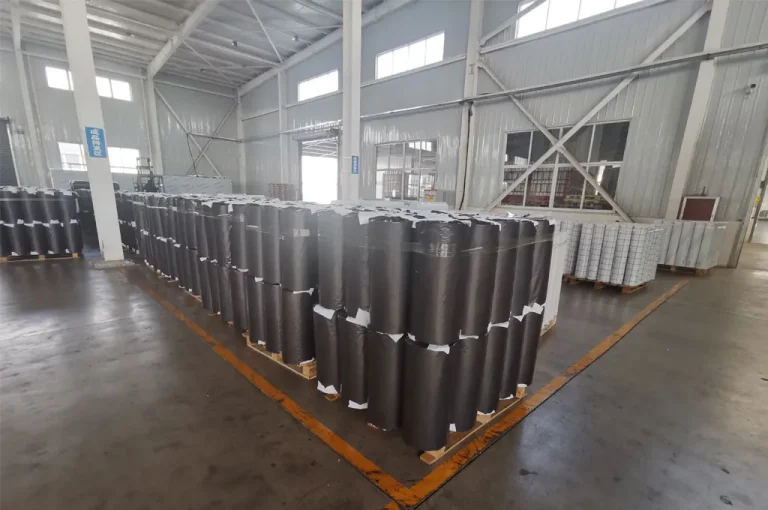
If you’re sourcing film for a wrapping business or managing multiple vehicles, supplier capability becomes a real advantage. Consistent batches, reliable lead times, and flexible customization can reduce waste and rework. Manufacturers with complete production lines—covering calendering, printing, and slitting/packing—often deliver better control over
thickness consistency and surface uniformity.
For broader material exploration and specifications, you can browse
product categories
or read technical content in the
knowledge
section. If you’re requesting samples or a quotation for OEM/ODM needs, the quickest path is typically a direct inquiry through
contact,
including required thickness, roll width, finish, and expected volume.
Many wrap problems are preventable. If you want a finish that stays tight and clean, avoid these typical issues:
⚠ Skipping paint correction where clearcoat is failing (vinyl won’t save it).
⚠ Wrapping over wax/ceramic residue without proper panel wipe.
⚠ Over-stretching film into deep recesses instead of using an inlay.
⚠ Not post-heating edges and corners (a common reason for lifting).
Lifespan varies by film quality, climate, parking habits, and maintenance. Many well-installed wraps can look good for several years, but intense sun exposure and harsh washing reduce durability faster.
If the paint is healthy and the wrap is removed properly, it’s often safe. Risk increases if the underlying paint is already peeling, repainted poorly, or if the film was baked on for too long in extreme heat.
In many cases, yes—especially compared with a high-quality full repaint. However, premium films and complex vehicles can still be a significant investment, so compare quotes based on prep quality and warranty, not just price.
Light swirls may be hidden depending on film thickness and finish, but chips, rust, dents, and peeling clearcoat should be repaired first. Vinyl will telegraph many surface defects, especially under gloss finishes.
For the easiest maintenance, many daily drivers choose gloss or satin. Matte can look stunning but shows staining and washing marks more easily, so it’s best if you’re willing to maintain it carefully.