Address
304 North Cardinal St.
Dorchester Center, MA 02124
Work Hours
Monday to Friday: 7AM - 7PM
Weekend: 10AM - 5PM
Address
304 North Cardinal St.
Dorchester Center, MA 02124
Work Hours
Monday to Friday: 7AM - 7PM
Weekend: 10AM - 5PM


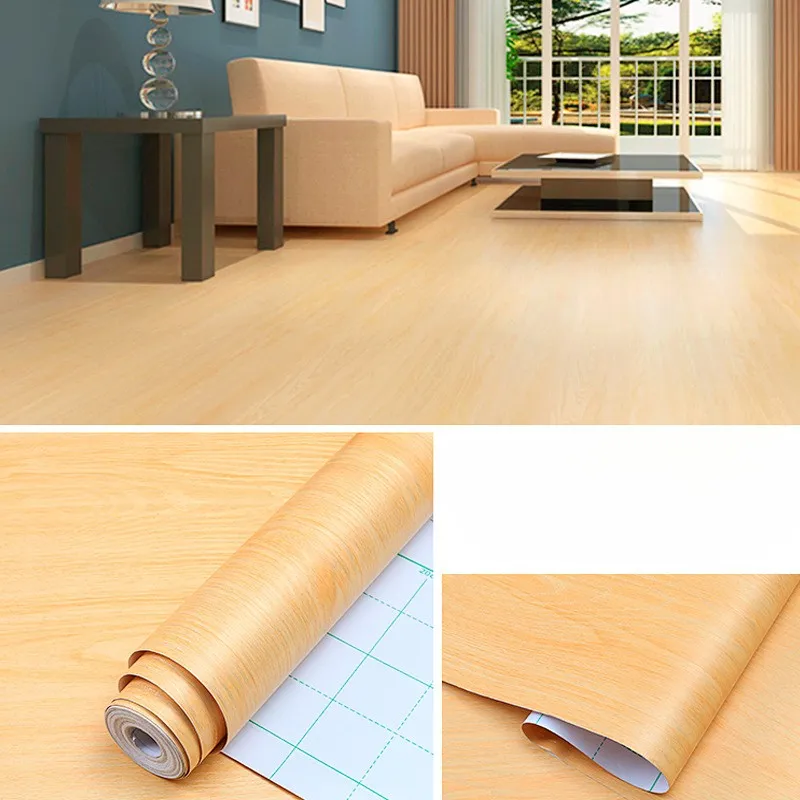
Glossy PVC decorative film is a high-shine surface material designed to upgrade furniture, wall panels, doors, and interior elements with a clean, reflective finish. It delivers a modern “lacquer-like” look while helping protect substrates from moisture, stains, and daily wear—often at a lower cost and with faster installation than repainting, laminates, or full replacement.
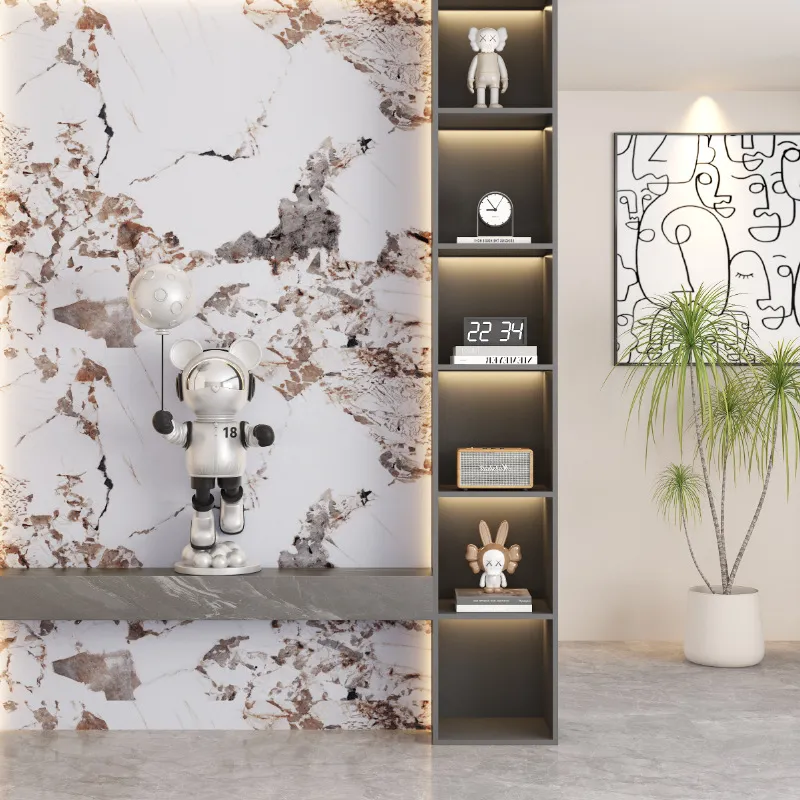
Glossy PVC film is popular in contemporary interiors because it combines high visual impact with practical protection, and it can be produced in consistent colors, patterns, and widths for scalable projects.
Glossy PVC decorative film is a flexible sheet made from polyvinyl chloride (PVC) that is engineered for surface finishing. Unlike paint, it arrives as a controlled, factory-made surface—meaning the gloss level, color consistency, and texture are repeatable across batches. Many glossy films are produced via calendering, a process that forms a uniform film thickness and smooth surface ideal for reflective finishes.
In manufacturing and fit-out work, glossy PVC film is commonly laminated or wrapped onto MDF, plywood, metal, or composite boards. Depending on the product line, it can also be supplied as self-adhesive film for quicker refurbishment jobs.
If your project requires stable thickness and scalable output, explore Calendered Film.
For wardrobe and cabinet surfaces with a bright, premium look, see Glossy Wardrobe Film.
Gloss is not only about shine. In interior design, it influences brightness, perceived space, and cleanliness. A glossy surface reflects ambient light, helping smaller rooms feel more open and “finished.” That’s why glossy cabinet doors, vanity units, and accent wall elements remain staples in modern apartments, showrooms, and hospitality interiors.
✔ High visual impact: Creates a smooth, reflective finish similar to lacquer without complex painting workflows.
✔ Easier upkeep: Many glossy films wipe clean quickly—useful for kitchens, wardrobes, and high-touch areas.
✔ Moisture resistance: Helps protect the underlying board from humidity and splashes when edges and seams are treated correctly.
✔ Consistent production: Suitable for batch projects where color matching and repeatability matter.
✔ Cost and speed advantages: Can reduce rework, drying time, and labor compared with painting or re-lacquering.
Glossy PVC decorative film can be applied across residential and commercial interiors. Performance depends on matching the film type (thickness, adhesive system, and surface coating) to the environment and substrate.
Kitchens demand surfaces that handle frequent cleaning, occasional splashes, and light abrasion. Glossy PVC film works well for cabinet doors, drawer faces, and decorative panels—especially when paired with edge-banding and proper sealing. For grease-prone zones, consider specialized options such as Kitchen Anti-oil Film depending on your maintenance expectations and installation area.
Wardrobes benefit from the “premium flatness” of glossy finishes and their ability to keep a consistent tone across multiple doors. For large runs (multiple units or a property project), consistency in roll-to-roll color and gloss level becomes a major purchasing criterion.
Used as an accent, gloss can elevate reception areas, retail interiors, or TV back panels by adding depth and reflection. If you want a quieter, more textured “soft shine,” texture films (e.g., silk-like) can complement glossy surfaces in the same design language.
Trim is often overlooked, but it frames the entire space. When matching color systems across doors, panels, and skirting, films help achieve cohesive results. For purpose-built options, see PVC skirting film.
High gloss highlights reflections and can show fingerprints more easily than matte. In busy homes, hospitality spaces, or retail, plan for regular wipe-downs and consider darker colors carefully if you expect frequent touching.
Selecting glossy film is not just “pick a color.” You’ll want to confirm performance details that affect fabrication yield, installation stability, and long-term appearance.
Thickness impacts feel, handling during lamination/wrapping, and resistance to minor surface imperfections from the substrate. Thicker films may mask slight irregularities better, while thinner films can be more cost-efficient and easier for certain profiles. For multi-layer structures (or composite films), confirm what each layer does (decor layer, protective top layer, adhesive compatibility, etc.).
“Glossy” does not automatically mean “scratch-proof.” Ask for test indicators relevant to your application: abrasion resistance, stain resistance, chemical resistance for cleaning agents, and whether a protective coating is included. In kitchens and public interiors, cleaning performance is often the deciding factor.
Confirm whether the film is designed for lamination, vacuum pressing, wrapping, or self-adhesive application. Different methods require different adhesive systems and heat/forming behavior. If you are wrapping complex profiles, verify forming range and edge behavior to reduce lifting and spring-back.
Request samples from the same production route to evaluate gloss and color under your lighting. A glossy white can look cooler or warmer depending on environment, while bold colors may shift visibly under mixed lighting. For multi-room or multi-unit projects, batch consistency and traceability matter.
For interiors, confirm that the film meets applicable safety and environmental expectations. Many buyers request compliance aligned with ISO systems and chemical restrictions (for example, REACH/RoHS considerations) and prefer films made with eco-friendly, non-toxic inks for indoor applications.
• Application: cabinet doors / wall panels / trim / furniture wraps
• Substrate: MDF / plywood / metal / composite board
• Film spec: thickness, width, roll length, gloss target
• Performance: scratch/stain/chemical resistance expectations
• Order plan: sample approval, MOQ, lead time, packaging, shipping method
Gloss shows everything. Before lamination or wrapping, ensure the substrate is flat, clean, and dry. Dust, bumps, or uneven sanding can appear as visible distortions after application. For adhesive-based methods, remove oils and residues that can weaken bonding.
Moisture intrusion often begins at edges. Use compatible edging processes, seal high-risk areas, and avoid leaving raw board exposed—especially around sinks or wet zones.
Use a soft microfiber cloth with mild detergent and water. Avoid abrasive pads and harsh solvents unless the film’s chemical resistance is confirmed for those agents. For high-touch areas, a consistent cleaning routine keeps gloss looking uniform and reduces visible fingerprints.
• Applying over damp boards or dusty substrates
• Using strong solvents without verifying compatibility
• Ignoring edge sealing in kitchens and bathrooms
Glossy surfaces can look sleek and architectural, but balance is essential. Designers often combine glossy fronts with matte walls or textured elements to reduce glare and create depth.
Neutral gloss (white, cream, light gray): Reflects light and suits smaller apartments, galleries, and minimalist interiors.
Deep tones (navy, charcoal, black): Creates a luxury feel but may show fingerprints and dust faster—great for feature areas or low-touch zones.
Two-tone cabinetry: Pair glossy uppers with matte or wood-grain lowers for a balanced, high-end look.
Glossy solid colors are often used as the “quiet” base, while stone or wood patterns become the focal point. For example, pair glossy cabinet doors with a marble-look panel for a modern kitchen statement; see Marble Film for pattern-driven design options.
When sourcing glossy PVC decorative film for interior design projects, supplier capability affects more than price. A manufacturer with integrated calendering, printing, and slitting/packing can control quality across the process, keep schedules stable, and reduce variability between lots.
For example, full-process production helps ensure consistent thickness, predictable gloss, controlled printing alignment (for patterned films), and careful packaging to protect the surface during shipping. Professional roll packaging—such as dust-proof PE film or kraft paper with clear specification labels—reduces transit damage and simplifies receiving inspections.
1) Do you offer OEM/ODM customization for width, thickness, color, printing, and packaging?
2) What QC checks are performed (thickness, adhesion, optics, batch traceability)?
3) Can you support sample approvals and stable lead times for repeat orders?
4) What export packaging options are used to prevent moisture and surface scuffs?
Yes, it’s widely used in kitchens and can work in bathrooms for cabinetry and decorative areas. The key is correct edge sealing, proper installation, and selecting a film designed for moisture and cleaning demands.
Scratch resistance varies by surface coating and film structure. Request performance data and test samples under your real cleaning routine and usage conditions before large orders.
Use a soft microfiber cloth and mild detergent. Avoid abrasive pads and unverified solvents. Frequent light cleaning usually looks better than occasional aggressive scrubbing.
In most cases, yes. Many manufacturers support OEM/ODM services to match design palettes, production needs, and shipping requirements.
Send the application, thickness/width/roll length, color or pattern reference, required quantity, and your target lead time. If you need compliance documents or test reports, mention them upfront.