Address
304 North Cardinal St.
Dorchester Center, MA 02124
Work Hours
Monday to Friday: 7AM - 7PM
Weekend: 10AM - 5PM
Address
304 North Cardinal St.
Dorchester Center, MA 02124
Work Hours
Monday to Friday: 7AM - 7PM
Weekend: 10AM - 5PM


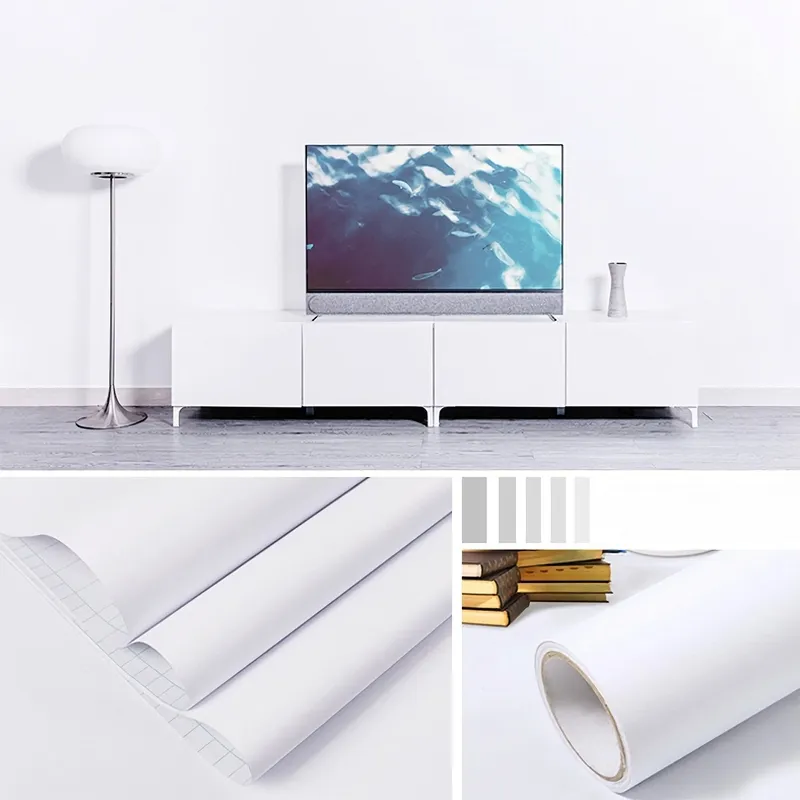
OEM PVC film production is no longer just “make to order.” Today, brands and distributors expect repeatable color, stable embossing, predictable adhesion, and export-ready packaging—while still keeping costs competitive and lead times short. This guide explains how custom PVC films are manufactured (from formulation to calendering, printing, and slitting), how professional quality control is built into every stage, and how to estimate total cost for your project.
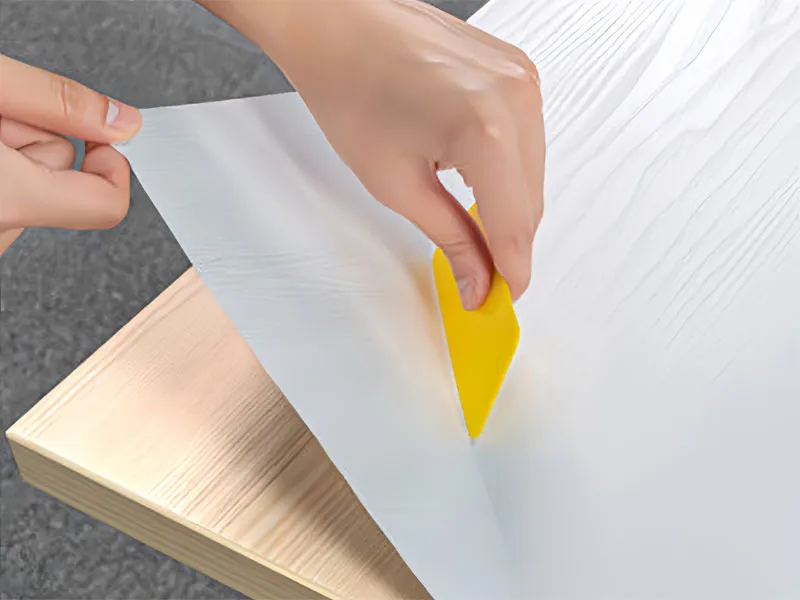
A reliable OEM program starts with a clear manufacturing route. Pulivk Film’s integrated capability—calendering, printing, and slitting/packaging—reduces handoffs, improves traceability, and helps stabilize both delivery and cost. Below is how the production chain typically works for decorative and industrial PVC films.
Before compounding or scheduling any machine time, define the target application: furniture wrapping, wall panels, doors, skirting, flooring, appliance surfaces, medical packaging, or advertising. The same thickness can behave very differently depending on hardness (plasticizer level), emboss depth, and top-coat formulation.
Key spec items to confirm:
PVC film performance is largely determined in the recipe: PVC resin selection, plasticizer system, stabilizers, pigments, fillers, lubricants, and special additives. For indoor decorative use, many buyers prioritize low odor, stable color, and safety compliance (e.g., REACH/RoHS/FDA where required). For industrial use, buyers may prioritize anti-static properties, clarity, or chemical resistance.
Consistent OEM output depends on controlled raw-material sourcing and disciplined batch management—especially for color-matching across multiple lots. In practice, compounding stability is the foundation for consistent thickness, embossing response, and print adhesion later in the line.
Calendering converts compounded material into a continuous sheet with controlled thickness and surface finish. This is the workhorse process for many decorative and technical films because it enables stable output, good mechanical properties, and excellent surface consistency for printing or laminating.
For buyers sourcing calendered film, key performance indicators include thickness uniformity across width, low gel count, controlled shrinkage, and predictable hardness. When films are intended for thermoforming or wrapping, calendering parameters and formulation must be balanced to avoid whitening, cracking, or excessive rebound.
Decorative PVC films frequently use printing to create wood grain, marble, metal, fabric, or artistic textures—then use embossing to add tactile realism. A strong OEM partner treats printing and embossing as a system: ink compatibility, drying/curing, register control, and top-coat performance must align with the film’s plasticizer migration characteristics.
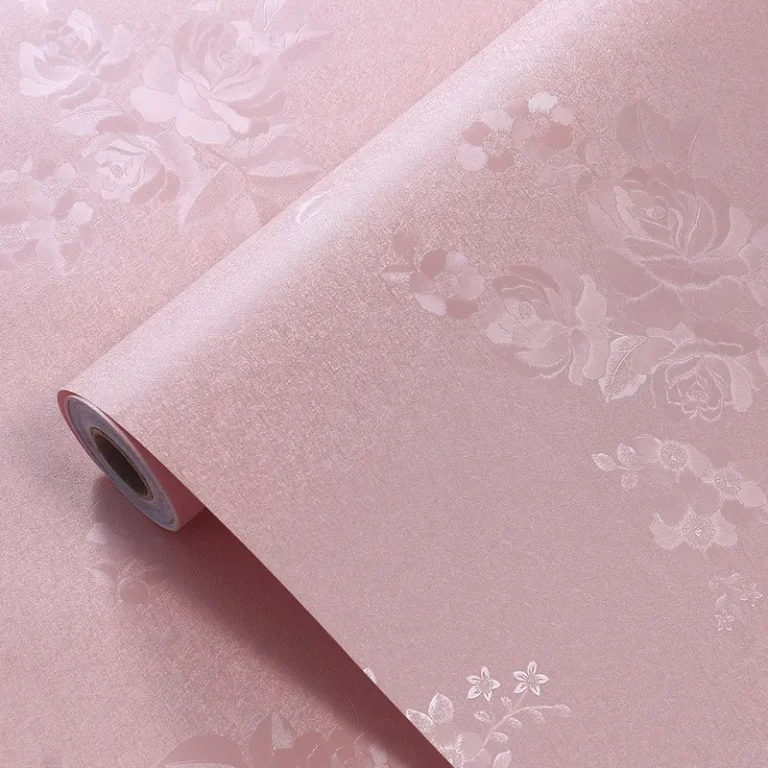
If you are developing a premium tactile finish, textured offerings like 3D silk texture film illustrate how pattern, gloss control, and touch-feel come together. For architectural or furniture markets, repeatability matters: the same pattern must match across shipments and across production dates.
Slitting and rewinding determine how easy your film will be to use on the customer’s line. Edge quality, roll tightness, telescoping control, and splice policies can directly affect lamination uptime. Pulivk Film supports customized roll conversion and typically wraps each roll with dust-proof PE film or kraft paper and applies specification labels to improve traceability and protect during transport.
For product categories like floor film, packaging and moisture protection become especially important because warehouses and shipping lanes may expose rolls to humidity swings that can affect flatness and adhesion behavior.
“Quality” in PVC film is not only about passing a final inspection. It is built through process control, batch traceability, and consistent test methods. A professional QC system checks raw materials, in-process parameters, and finished roll performance—then ties results to each batch so that corrective actions are fast and specific.
① Incoming raw materials
② In-process control (calendering/printing)
③ Finished roll inspection
Many international buyers require documentation and testing support. Pulivk Film indicates compliance capabilities aligned with ISO 9001, ISO 14001, REACH, RoHS, and FDA-related needs (depending on the intended application). Films may also be formulated with eco-friendly, non-toxic inks to support indoor use and human-contact scenarios.
If your market is sensitive to odor and indoor air perception—such as residential furniture, children’s rooms, or healthcare environments—ask for low-odor formulation options, migration considerations, and storage recommendations. Good OEM partners will provide practical guidance on handling, storage temperature, and shelf-life to keep performance stable from factory to end user.
✔ Buyer’s checkpoint:
Request batch traceability (lot codes), test reports aligned to your application, and a clear acceptance standard (what counts as acceptable minor defects, splice limits, and roll length tolerances).
OEM PVC film cost is a combination of material cost, process complexity, yield loss, quality standard, and packaging/logistics. Understanding the cost structure helps you compare quotations fairly and avoid surprise surcharges later.
Export-ready packaging is part of the total cost, not an afterthought. Dust-proof wrapping, protective corners, palletization, moisture barriers, and labeling standards reduce risk during shipping—especially for long-distance routes and humid environments.
Choosing the right film type upfront saves time and reduces downstream complaints. Below are common segments and how OEM customization typically focuses in each.
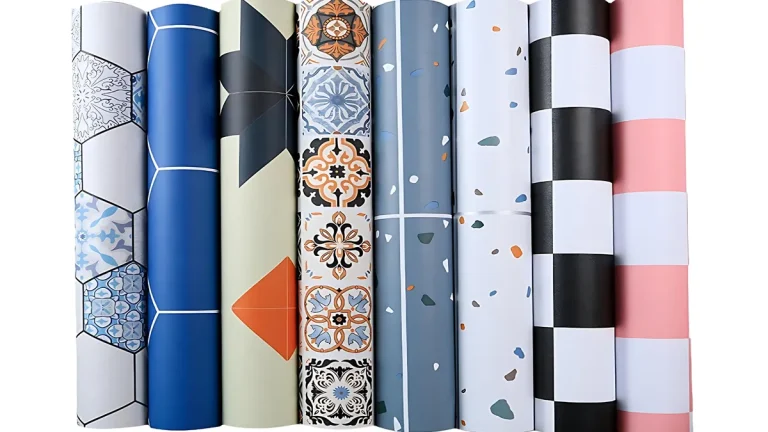
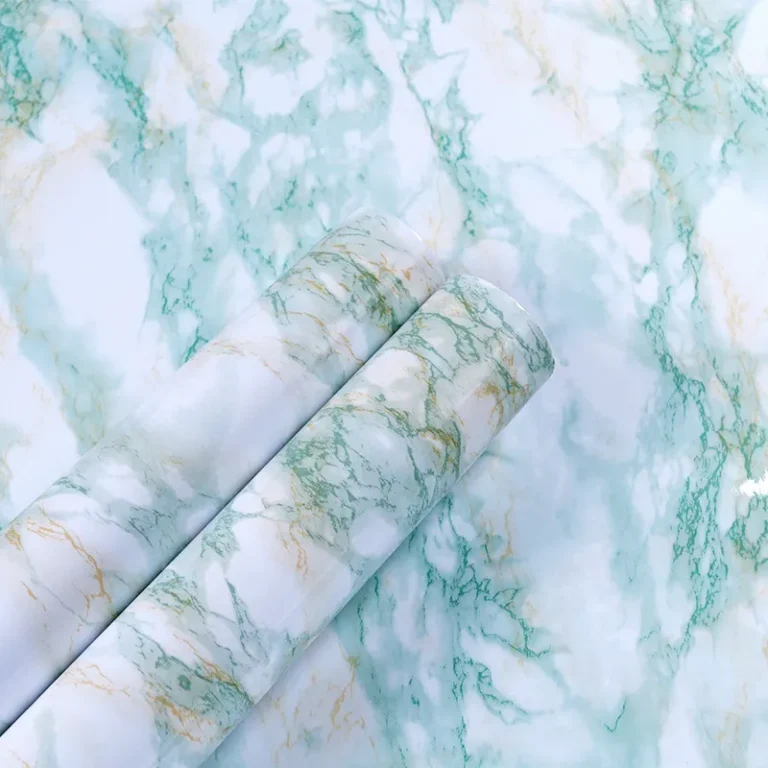
Wood grain, cloth grain, stone grain, glossy, matte, and soft-touch films dominate furniture applications. Key priorities are repeatable color, scratch/stain resistance, and stable forming behavior during vacuum pressing or wrapping. For popular patterns, you can reference wood grain film as a baseline category for pattern development and surface customization.
Architectural buyers often need abrasion resistance, easy-clean surfaces, and stable dimensions to avoid edge lift. When supplying trim areas, dedicated solutions such as PVC skirting film can be configured for width, emboss, and installation method.
Electronics applications frequently require anti-static behavior, insulation capability, and controlled surface defects (appearance is critical). Coating and adhesion tests become especially important, because films may be laminated onto metal or plastic substrates and then cut, formed, or heat-exposed.
These applications emphasize cleanliness, consistent thickness, and safety compliance. When films are intended for human-contact or sensitive environments, material selection and documentation are as important as the film’s physical properties.
Lead time depends on customization depth, tooling readiness, production scheduling, and QC requirements. A common OEM workflow for new projects typically follows this sequence:
If your team cannot visit in person, a virtual factory tour and live video inspection can help validate line capability, QC checkpoints, and packaging practices before committing to large volume.
Many “quality issues” are actually expectation gaps. Preventing them is mostly about setting measurable standards, confirming compatibility with your process, and documenting what is approved.
Color drift can happen due to pigment variations, processing heat history, or inconsistent print conditions. Avoid it by approving a master standard sample, requiring delta limits, and ensuring batch traceability for raw materials and inks.
Adhesion problems often come from mismatch between film surface energy, coating chemistry, adhesive type, and the customer’s lamination settings. Provide your lamination method, temperature range, substrate type, and target peel strength so the supplier can tune the surface treatment and recommend processing conditions.
Telescoping, uneven tension, edge damage, or incorrect winding direction can cause downtime. Define roll build standards, maximum splice count, and packaging requirements (edge protectors, moisture barrier, pallet type) in the purchase spec.
★ OEM success formula:
Clear specs + measurable QC standards + traceability + packaging discipline = stable long-term supply.
PVC film is widely used for decorative and functional surfaces such as furniture panels, cabinets, doors, wall coverings, flooring layers, electronics protection, and packaging. OEM projects typically customize thickness, surface finish, and roll format to match the customer’s process.
Yes. OEM/ODM services commonly cover thickness/width/roll length, gloss or matte, embossing texture, printed patterns (wood/stone/metal), and packaging/labels based on your requirements.
Consistency is achieved through controlled raw materials, in-process monitoring (thickness, color, defects), finished roll inspection, and batch traceability. You should also align acceptance criteria for defects, splices, and tolerances before mass production.
MOQ and lead time depend on film type, customization depth (printing/emboss/tooling), thickness tolerance, and production scheduling. Trial orders may be possible, while complex patterns may require additional preparation time.
Many OEM PVC films can be produced to meet common requirements such as REACH, RoHS, and other market-specific needs. If your application involves indoor use or human contact, confirm documentation and test reports during the sampling stage.