Address
304 North Cardinal St.
Dorchester Center, MA 02124
Work Hours
Monday to Friday: 7AM - 7PM
Weekend: 10AM - 5PM
Address
304 North Cardinal St.
Dorchester Center, MA 02124
Work Hours
Monday to Friday: 7AM - 7PM
Weekend: 10AM - 5PM


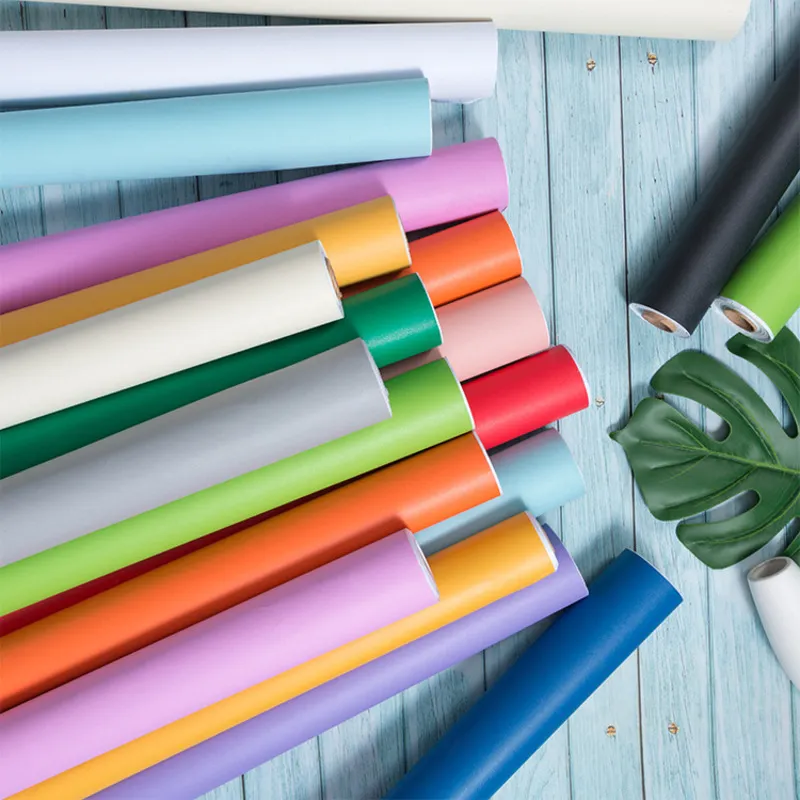
Custom wood PVC film has become a practical, design-forward solution for modern furniture and interior decor—especially when you need the warmth of natural wood without the cost, variability, and maintenance challenges of real veneer. From cabinet doors and wardrobes to wall panels, skirting, and commercial fit-outs, tailor-made wood-look PVC films allow brands and factories to control grain direction, color consistency, surface feel, and roll dimensions across large production runs.
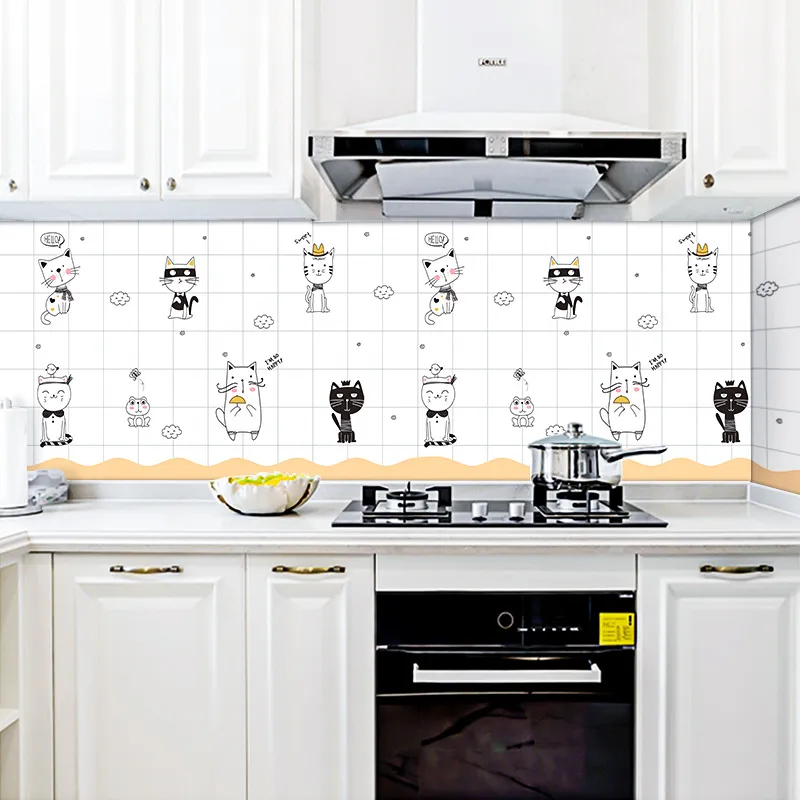
This article explains how custom wood PVC film is engineered and specified—covering design, textures, sizes, performance options, and OEM production—so you can match the right film to your furniture lines and interior projects with fewer risks and faster timelines.
Wood PVC decorative film is designed to deliver a consistent wood aesthetic while improving manufacturing efficiency. Compared with natural veneer or paint, it supports stable mass production and simplified upkeep.
For projects where visual harmony matters—matching doors, panels, skirting, and furniture fronts—customization is the difference between “close enough” and a premium, brand-consistent finish.
A strong custom program starts with visual intent: rustic vs. minimalist, warm vs. cool undertones, matte Scandinavian woods vs. deep classic walnut. With custom printing and pattern development, you can specify:
grain scale (fine/linear vs. cathedral),
contrast level (subtle vs. dramatic),
tone (honey, neutral, smoked, espresso),
and repeat length (to reduce repetition on large panels).
Tip: For wardrobes, wall cladding, and long cabinet runs, specify a longer pattern repeat and clear rules for grain direction to avoid “tiling” visual artifacts.
If your product line already uses a reference veneer or paint, color matching can be done through sampling cycles. The goal is not only a good match under one lighting condition, but stability under mixed lighting (daylight, warm LEDs, showroom spots) and across different substrates.
Texture is where wood PVC film becomes convincing. Beyond visual grain, you can select embossing patterns that mimic pores, saw marks, brushed effects, or ultra-smooth contemporary finishes. Common texture routes include:
If your design brief calls for a fabric-like premium tactile effect, you can also explore specialty textures such as
3D silk texture film
for high-end decorative applications that need a refined, contemporary touch.
Size customization impacts both performance and production efficiency. By defining the right width and roll parameters, you reduce waste, speed up lamination, and keep your line stable. Typical custom specifications include:
For manufacturers seeking stable base film quality, calendering is a key foundation. You can learn more about the structure and manufacturing approach of
calendered film
used as a reliable base for decorative surfaces.
Wood-look PVC film is widely used for kitchen cabinets, wardrobes, office desks, hotel furniture, and modular systems. It supports repeatable aesthetics across doors, side panels, toe kicks, and trims. For furniture brands, it also helps maintain a unified look across multiple factories or outsourcing partners—because the film specification defines the surface, not individual finishing skills.
In interior decor, custom wood PVC film is popular for feature walls, reception areas, hallway panels, and retail fixtures. Designers often choose it to achieve a wood atmosphere while keeping cleaning easy and ensuring consistent visuals across large areas.
Matching skirting to flooring and cabinetry elevates the perceived quality of a room. Custom film allows you to coordinate tone and grain so the transition looks intentional rather than patched. If your project includes baseboard finishing, consider dedicated options such as
PVC skirting film
for consistent wrapping and durability.
A successful decorative surface must align with real-world usage: humidity, cleaning routines, abrasion, and daily handling. When specifying custom wood PVC film, prioritize the performance features that match your application environment.
Key decision point: The “best” film is not the thickest or the most textured—it’s the one that fits your forming method (flat lamination, vacuum press, profile wrapping), substrate, and daily-use expectations.
A professional OEM/ODM process makes customization predictable. Pulivk Film supports end-to-end production—from calendering and printing to slitting and packaging—so quality stays under control while lead times remain stable.
To speed up sampling and pricing, prepare a clear spec pack:
Sampling validates color, print sharpness, and texture under real lighting. For furniture applications, it’s recommended to test samples on the actual substrate (MDF, plywood, WPC, metal, etc.) and with the same adhesive/lamination process you will use in production. This reduces surprises like unexpected gloss changes, tone shifts, or edge-lifting caused by incompatible adhesives.
Consistency comes from process control and QC checkpoints—from raw materials through printing and finishing to final roll inspection. A robust system typically includes thickness checks, adhesion and strength testing, surface inspection, and batch traceability. For indoor decor, it also matters that inks and materials are designed for safety and long-term stability.
Not every film behaves the same during forming. Flat lamination on boards, vacuum membrane pressing, and profile wrapping around edges each place different demands on flexibility, thickness, and heat response. Share your process details early so the film structure and surface layer can be selected accordingly.
In some furniture segments, “premium” means ultra-matte, soft-touch, and minimal grain. In others, it means deep embossing, rustic pores, and dramatic cathedral patterns. Set your priorities across look, feel, durability, and cost, then customize around the one or two features customers will notice first.
Many interior projects look best when wood tones are coordinated across multiple surfaces. If you’re building a complete scheme, you may pair wood films with complementary materials such as stone or floor finishes. For example, for floor-related surfaces and protection layers, you can explore
floor film
options that help align the overall visual language of a space.
In large furniture and interior programs, shipping damage and roll contamination can create costly line stops. Export-ready rolls are commonly wrapped individually with dust-proof protection (PE film or kraft paper) and labeled with clear specifications for warehouse scanning and quick line setup. A stable supplier will also offer predictable lead times supported by scientific planning and inventory management—especially important when you’re coordinating multiple SKUs for the same collection.
Procurement checklist: confirm roll ID labels, batch traceability, surface protection method, pallet standards, and your preferred shipping mode (sea/air) before mass production.
Wood PVC film is a decorative PVC sheet with printed wood grain and optional embossing. Compared with veneer, it offers more consistent color/grain, easier maintenance, and scalable production with stable quality.
Yes. Customization typically includes grain design, color matching, matte/gloss level, embossing/3D texture, thickness, width, roll length, slitting, and packaging.
When produced with compliant materials and eco-friendly inks, PVC decorative films can be suitable for interior decor and human contact. Always request compliance details and test reports if your project has specific requirements.
Send your application, target finish/texture, thickness and width, desired pattern/color reference, quantity, and delivery timeline. Including substrate and lamination method helps ensure the right film recommendation.
Lead time depends on customization complexity, sampling cycles, order volume, and production scheduling. Clear specs and early sample approval are the fastest ways to shorten timelines.